Blog
Where Do Bass Go in the Early Fall? Angler’s Transition Guide

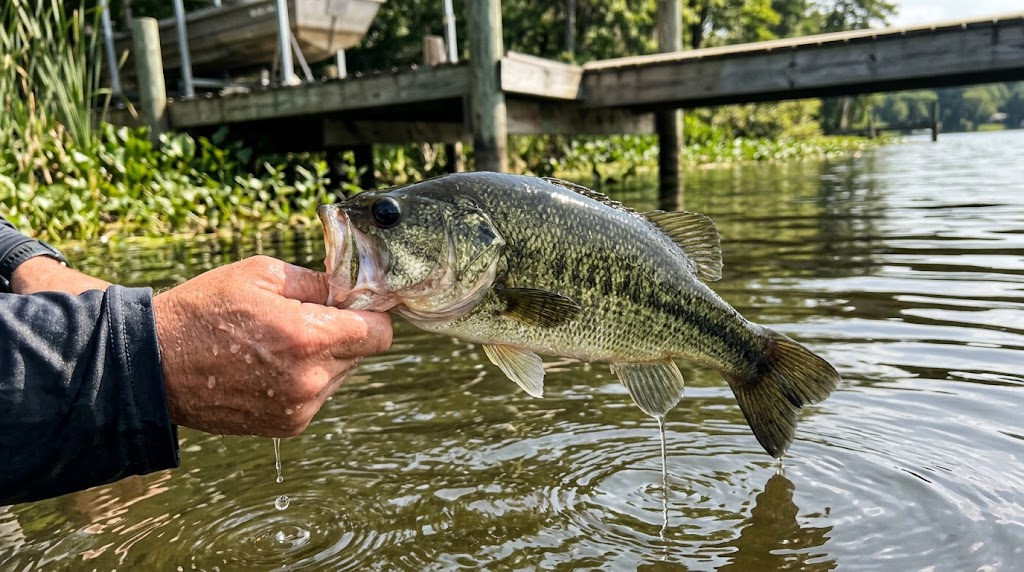
Table of Contents
The intense summer heat has finally faded, and the mornings are getting crisper. You head to the lake with high expectations, only to find that your favorite summer honey holes suddenly have no bites. Sound familiar? Welcome to the early fall transition. As water temperatures drop, bass abandon their deep-water sanctuaries and start moving. Understanding exactly where they go is the key to turning a skunked day into a non-stop catching frenzy.
Wondering where bass go in the early fall? This guide walks you through how dropping water temperatures, the fall turnover, and baitfish migrations change bass behavior.
Early Fall Bass Transition
What is the fall transition? It refers to early fall bass migrating from deep summer zones to shallower, more active waters to feed.
As summer ends in early fall, bass behavior changes along with gradually cooling water temperatures and shorter daylight hours.
The Impact of Dropping Water Temperatures
Fish activity levels and feeding patterns are highly influenced by water temperature changes.
During the summer, lakes form a thermocline. During the fall transition, the surface water cools to the temperature of the layer below the thermocline (the “bottom layer”), causing the bottom water to rise to the surface. This phenomenon is known as the fall turnover (you can read a deeper scientific breakdown of this on Bassmaster’s guide to lake turnover).
This is an extremely stressful period for bass. However, once the water quality stabilizes, the temperature drop triggers incredibly high feeding activity.
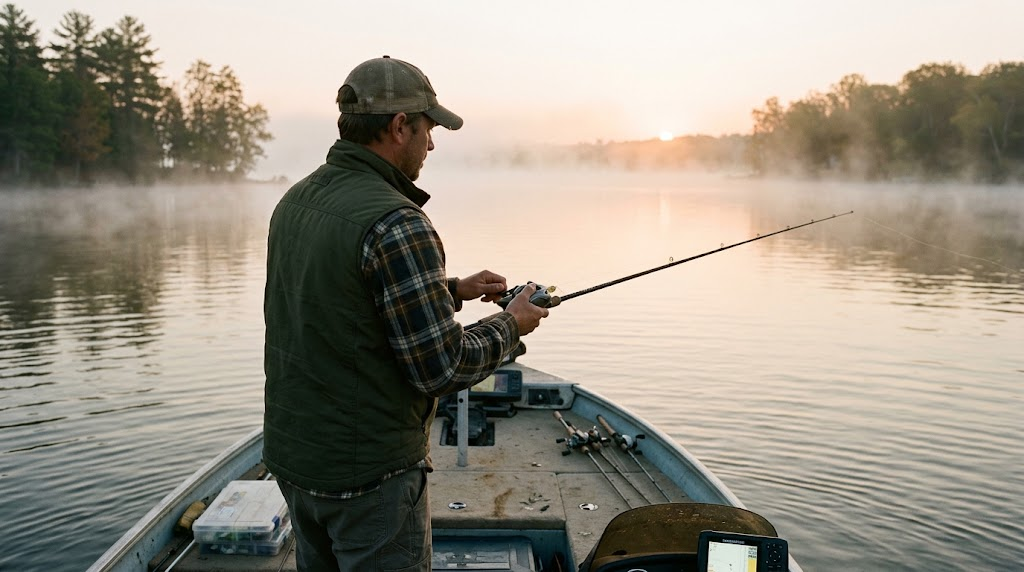
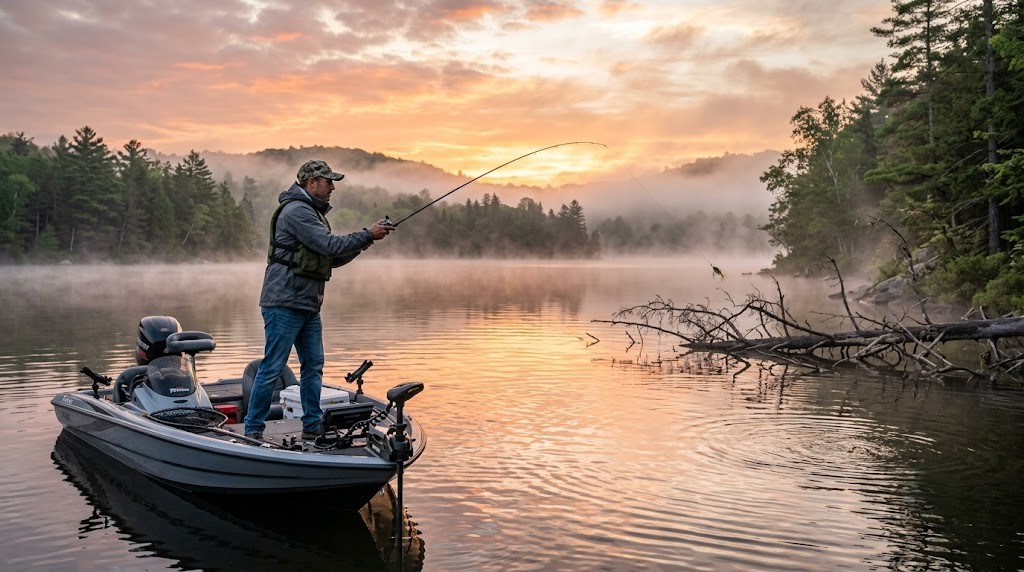
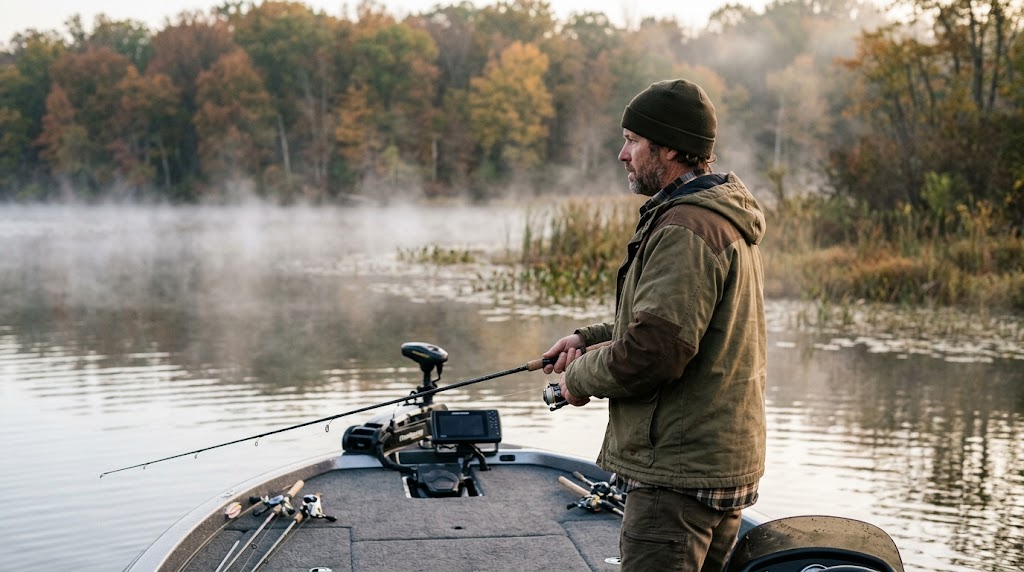
In the early morning, when light is low and the water is cool from the overnight drop, the fish are highly active and will move to shallow water to feed aggressively.
At noon, the water temperature rises slightly and the light is strong, so the fish will retreat from shallow water to deeper areas to feed.
In the evening, as the water temperature drops and light dims, the fish feel secure and become active again, moving toward shallow water to feed.
Want to know the difference between morning an night fishing? Read: Morning vs. Night Fishing: The Best Time to Catch Trophy Fish?
Following the Baitfish Migration (Shad Movement)
The golden rule for early fall bass fishing is simple—”find the baitfish, and you find the bass.” The type of prey that fish hunt changes with the seasons.
As water temperatures drop, microscopic plankton blooms migrate toward the shallower, warmer waters deep inside the creeks.
To pack on winter fat, shad will migrate into shallow creek channels looking for warmer water, and the bass follow right behind them.
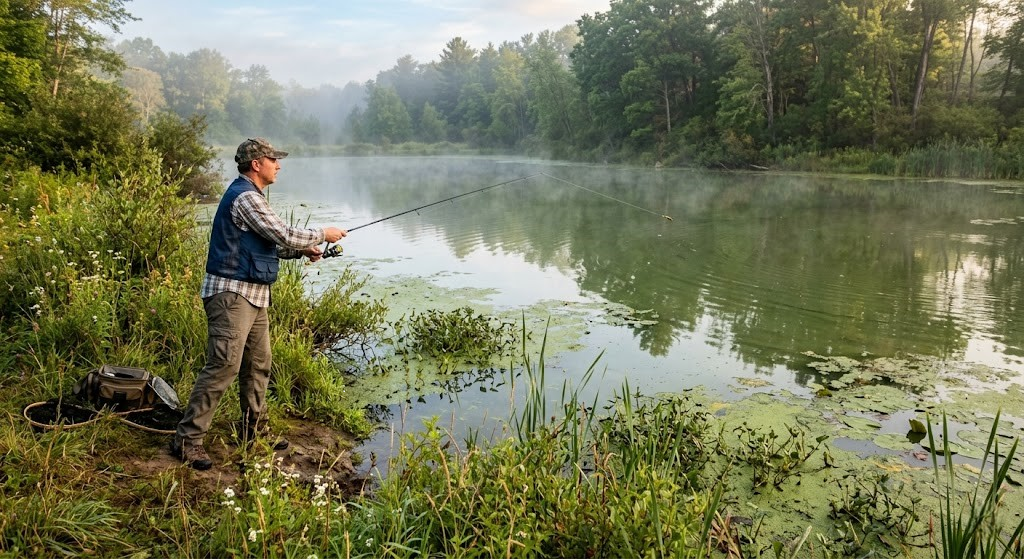
I always keep an eye out for blue herons on the banks, diving seagulls, or shad flickering on the water’s surface, which always brings me a great catch on my fishing rods!
Top Locations: Exactly Where to Find Bass in Early Fall
Locating bass during the fall transition means you have to abandon your deep summer spots and follow the food source. As the season progresses, bass use specific underwater structures as migration routes to corral baitfish into shallower waters.
Shallow Creek Channels and Flats
Creek channels act as underwater highways for migrating bass. They will cruise along the deeper edges of the channels toward the flats to ambush baitfish.
But don’t just cast blindly! Focus heavily on the “Y” intersections where two creeks meet, or sharp bends in the channel.
Bass use these natural ambush points to trap baitfish.
As the sun rises, bass will move out of the deeper channels onto the adjacent shallow flats (1 to 3 feet deep) to aggressively chase shad.
Wondering how to locate nearby fishing spots? Read: How to Find A Good Fishing Spots Before You Cast?
Main Lake Points and Drop-offs
Although schools of fish move toward shallow water, in the very early stages of the fall transition, many large bass will still linger around main lake points and drop-offs, which disrupt the water current.
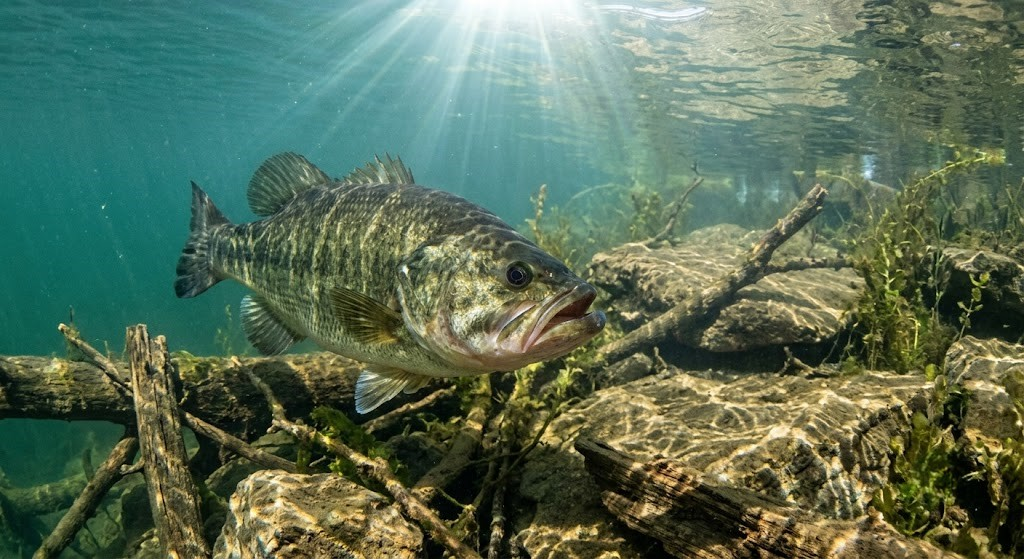
Main lake bass will school around long points, underwater humps, and drop-offs, cruising around threadfin and gizzard shad. The depth of these schools depends on water clarity. Generally, the clearer the water, the deeper the baitfish and bass schools will hold.
Isolated Cover (Docks, Laydowns, and Grass Lines)
Bass need cover to ambush their prey.
They will abandon reeds and other sparse cover in favor of very dense, oxygen-producing vegetation.
If you see a massive, thick, and impenetrable mat of algae or weeds, it’s highly likely bass are hiding there.
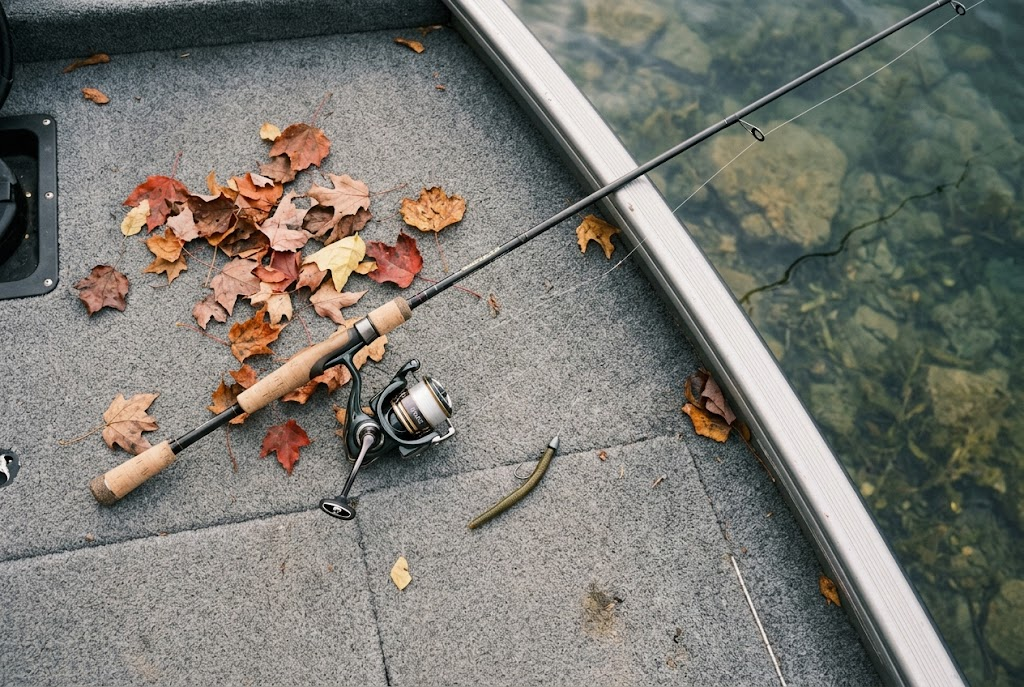
I typically look for specific isolated cover in these waters, such as boat docks, laydowns, and grass lines to pitch my bass fishing gear.
Best Lures and Techniques for Early Fall Bass Fishing
Because bass are constantly on the move and feeding aggressively to pack on winter weight, your bass fishing lures selection needs to strike a balance. You need fast-moving search baits to locate scattered fish, as well as finesse fishing tackle when a cold front makes the bite tough.
Topwater Baits for Aggressive Morning Strikes
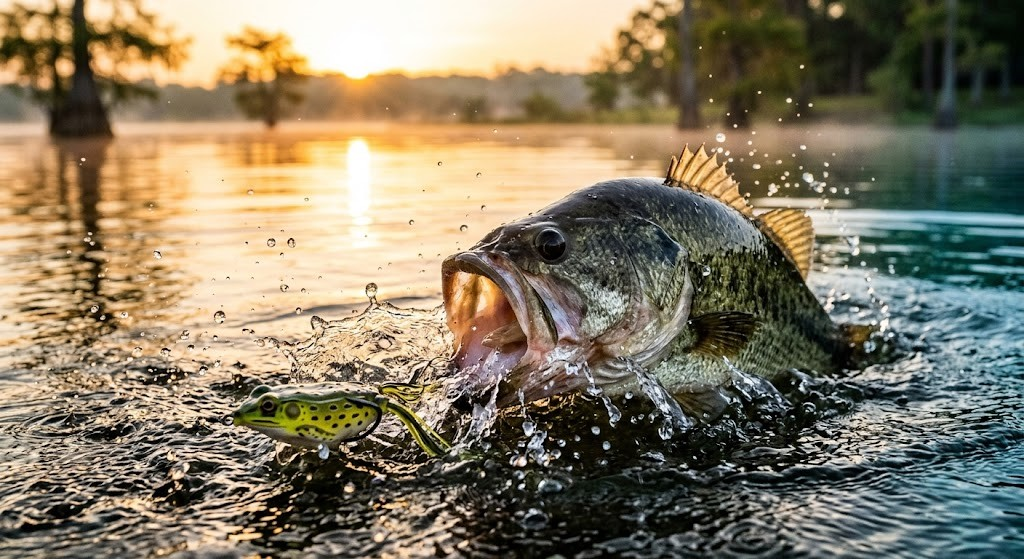
Early morning? Topwater lures are your best bet.
During these low-light periods with sudden water temperature drops, using a topwater frog can help you land some great bass.
Of course, you can also cast a topwater walking bait, which perfectly mimics a dying shad, letting it float on the surface with gentle twitches.
Want to know how beginners can use topwater baits? Read: How to Fish Topwater Lures for Beginners
Crankbait Lures and Spinnerbaits for Covering Water Quickly
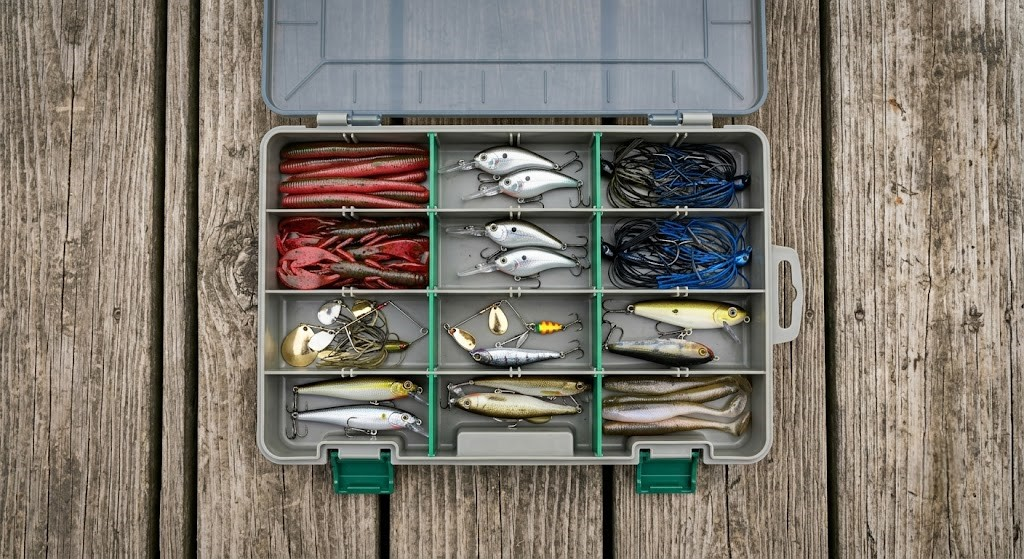
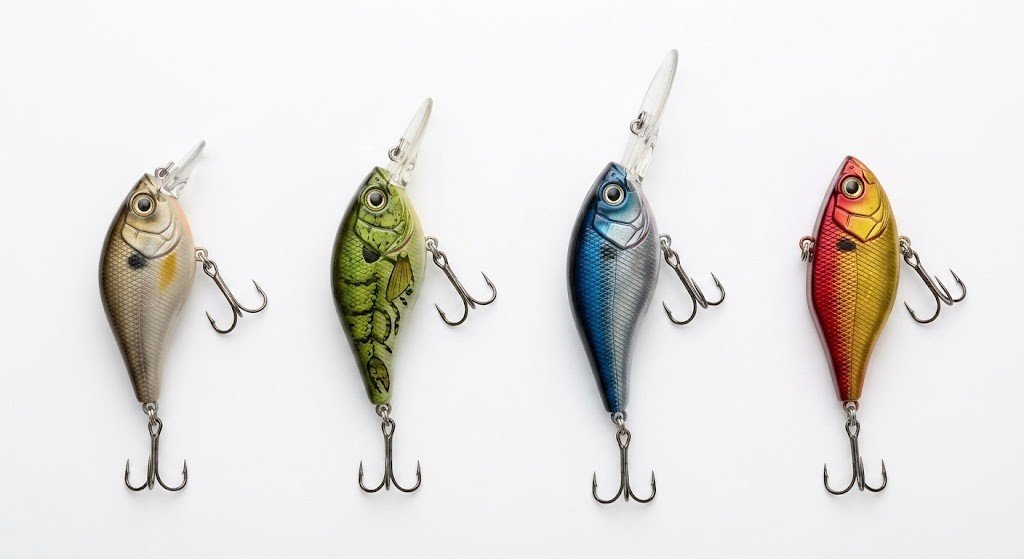
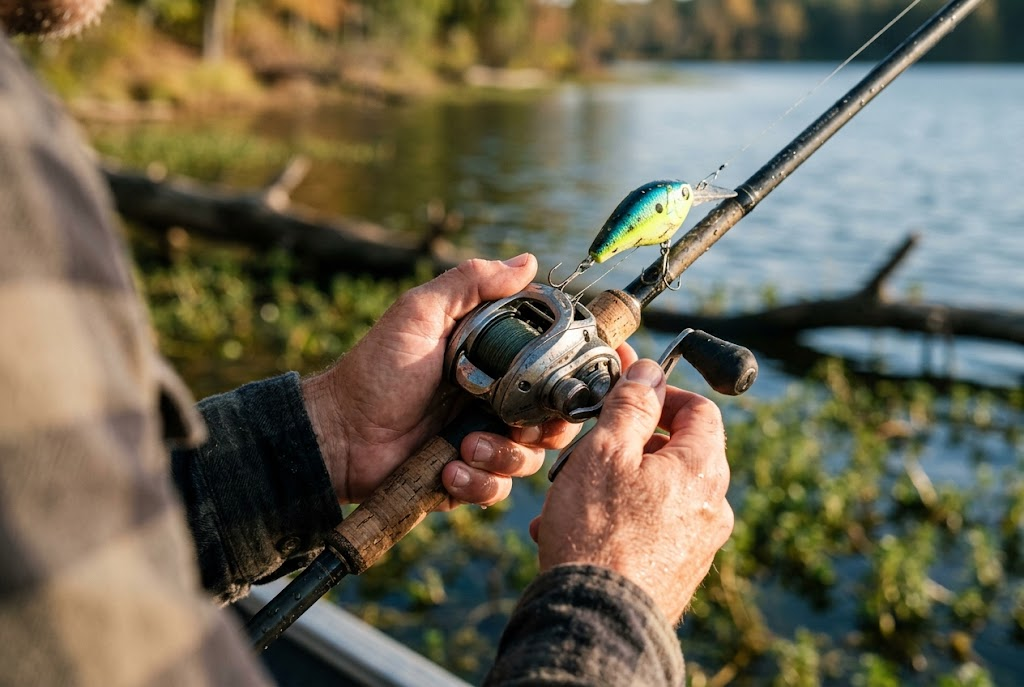
In early fall, bass are scattered, so you need to cover water quickly using crankbait lures and spinnerbaits, attracting bass through noise and vibration.
Even though it’s fall, bass are still quite wary, making it necessary to cover larger areas of water rapidly.
Squarebill crankbaits are excellent for searching out shallow water bass. They easily trigger reaction strikes when deflecting off rocks or wood, and they are highly snag-resistant.
Make sure you are using a square bill crankbait rather than a round bill crankbait. Round bill crankbaits easily get tangled in wood and rock structures because they tend to roll when hitting obstacles.
The skirt, trailer, and swimming action of a bass spinner bait create a larger profile in the water, and the flash of the willow leafs perfectly mimics a fleeing school of shad. The vibration of the blades can agitate bass, often drawing strikes from big fish.
You simply need to cast them out on your casting rod and use a stop-and-go retrieve.
Soft Plastic Baits and Fishing Jigs for Finesse Presentations
For highly pressured waters or when a cold front passes through, you can adopt a finesse fishing approach using a combination of soft plastic fishing lures and jigs for bass. Slowly drag a Texas rig, drop shot, or lightweight jig fishing lure across rocky areas using a sensitive spinning rod and reel combo to tempt lethargic bass.
Early fall bass can be highly active, feeding heavily on shad in shallow waters.
Therefore, it is crucial to match the hatch and use dynamic lures, such as pairing a jig lure with a crawfish trailer.
Common Mistakes to Avoid When Locating Early Fall Bass
Even with the right spots and the perfect lures tied on, the fall transition is still notoriously tricky. Anglers often struggle because they fail to adapt to the rapidly changing daily weather conditions. Avoid these common pitfalls to stay consistently on the bite.
Don’t Get Stuck in Your Summer Fishing Habits
If the water temperature has dropped to around 70 degrees Fahrenheit, the schools of fish have already moved to shallow water; be bold and try fishing in 2 to 5 feet of shallow water.
Want to know the best lures for September? Read: What Is The Best Fishing Lure in September?
Ignoring Wind and Changing Weather Patterns
The wind pushes microscopic plankton and baitfish.
Always remember to fish the wind-blown banks; aggressively cover water with fast-moving baits before a cold front hits, and immediately switch to a spinning reel combo for finesse fishing right after the cold front passes.
FAQ
Where do bass go in late October?
They move from the shallows into deeper waters, such as steep drop-offs and deep main-lake points, to prepare for winter.
Is early fall good for bass fishing?
Yes! Cooling water triggers aggressive feeding, making it one of the best times to catch active bass in shallow areas.