

Blog
Which Lures Are Best for Freshwater Fishing?

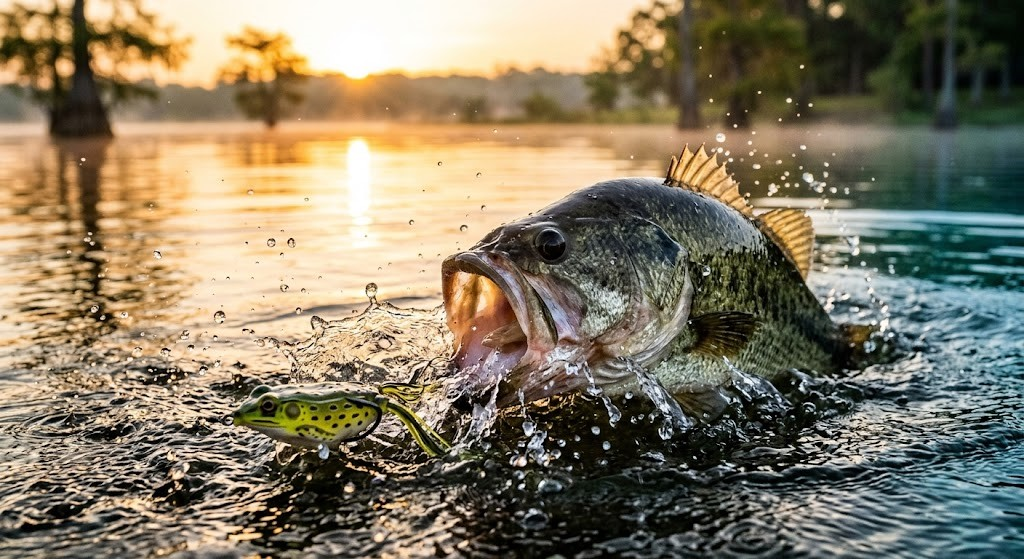
Table of Contents
Choosing the best lures for freshwater depends on multiple variables, including water clarity, depth, current speed, weather, season, and target species. There is no universal “best lure,” but there is always a best option for specific conditions. In practice, selecting the right lure is a matter of matching presentation, visibility, and fish behavior.
This guide combines real-world fishing scenarios with proven lure performance to help you choose the most effective freshwater fishing lures and improve your catch rate.
How to Choose Freshwater Fishing Lures
Water Clarity and Depth
- Clear vs murky water
In clear water
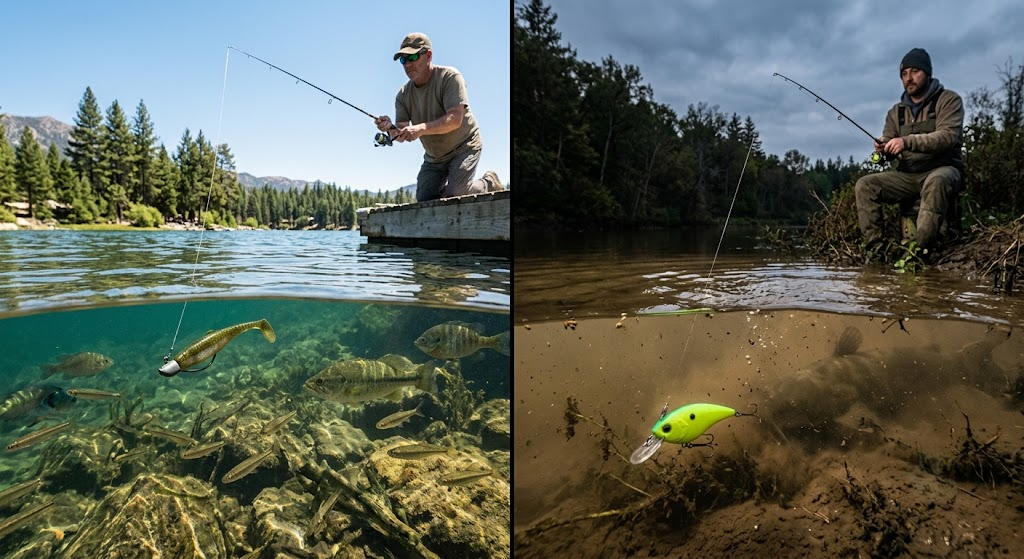
I prefer natural-colored fishing lures that closely imitate local baitfish. Natural tones, translucent finishes, and realistic baitfish patterns perform best. In clear conditions, fish can easily inspect your lure, so realism becomes critical for success.
In murky or stained water
Visibility is more important than realism. High-contrast and high-visibility colors work better, such as bright green, chartreuse, white, glow-in-the-dark lures, or lures with internal rattles. These improve strike detection in low-visibility conditions and are widely used in “best lures for murky water” strategies.
- Water depth
Depth strongly affects lure selection, especially lure action and running level.
In shallow water
Topwater fishing lures that create surface disturbance perform well, such as buzzbaits and frog lures. These are highly effective during low-light periods and warm-water feeding activity.
In deep water
Weighted and diving lures are more effective, such as deep diving crankbaits, fish head jigs, and bottom-contact soft plastics. These allow you to reach strike zones efficiently and maintain bottom control.
Current Speed (Rivers and Moving Water)
Current speed directly influences lure stability and presentation.
- In fast current
Fish tend to be more reactive, but maintaining control becomes harder. You need faster retrieval speeds and heavier or more stable lures.
In my experience, lightweight lures in strong current often get swept away and lose effectiveness. Switching to spoon lures or heavier presentations improves tracking and bite consistency because they hold their action in flowing water.
- In slow current or eddy zones
Blade spinnerbait and vibration-based lure perform well. These “high vibration fishing lures” are effective for triggering reaction strikes in low-flow environments.
Season and Weather Conditions
Ignoring seasonality and weather is one of the most common reasons for poor fishing results.
- In spring
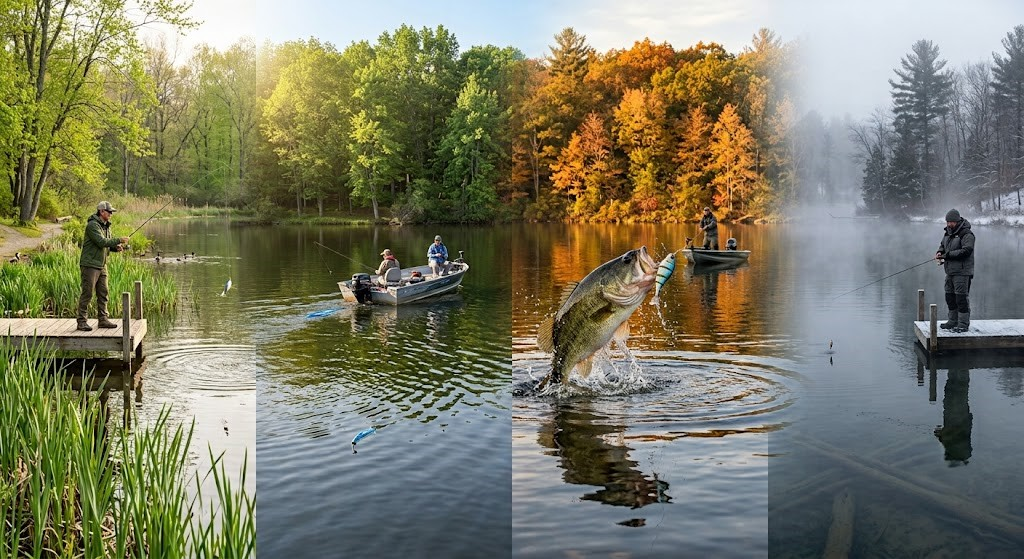
Bass respond aggressively to moving targets. Effective spring bass fishing lures include spinnerbait lures and crankbait fishing lures with strong action.
- In summer
Trolling lures become highly effective because fish often scatter into deeper water. Trolling allows you to cover large areas efficiently and locate active fish quickly, making it a core tactic in summer freshwater fishing.
- In fall
Fish enter feeding mode. Predatory species actively chase high-energy prey. Effective fall fishing lures include shad crankbait, silver or white spinnerbait, and swimbait lure designed to imitate baitfish. The key is high visibility combined with realistic movement.
- In winter
Fish become lethargic. Slow presentations dominate. Small jigs and soft plastic lures fished near structure or bottom zones perform best in cold-water conditions.
- In sunny day
Fish activity often decreases. Focus on shaded areas, deeper structure, or low-light cover zones.
- In rainy day
Feeding activity increases significantly. This is often the best time for aggressive lure presentations, as fish respond more readily to movement and vibration.
Lure Action and Retrieval Style
Different fish species respond to different retrieval patterns and lure dynamics.
Some species prefer fast, irregular movement. Lipless crankbaits and jerkbait lures are effective because they create sudden acceleration, pauses, and erratic motion. Crankbaits provide wobbling and diving action, while spinnerbaits generate flash and vibration during steady retrieval.
Other fish respond better to slow and steady presentations. When fish are pressured, inactive, or cold-water sluggish, slowing down your retrieve is often the key to increasing strikes. Controlled, stable movement becomes more effective than aggressive action.
Target Fish Species
Selecting the best freshwater fishing lure also depends heavily on target species behavior and habitat.
- For bass fishing
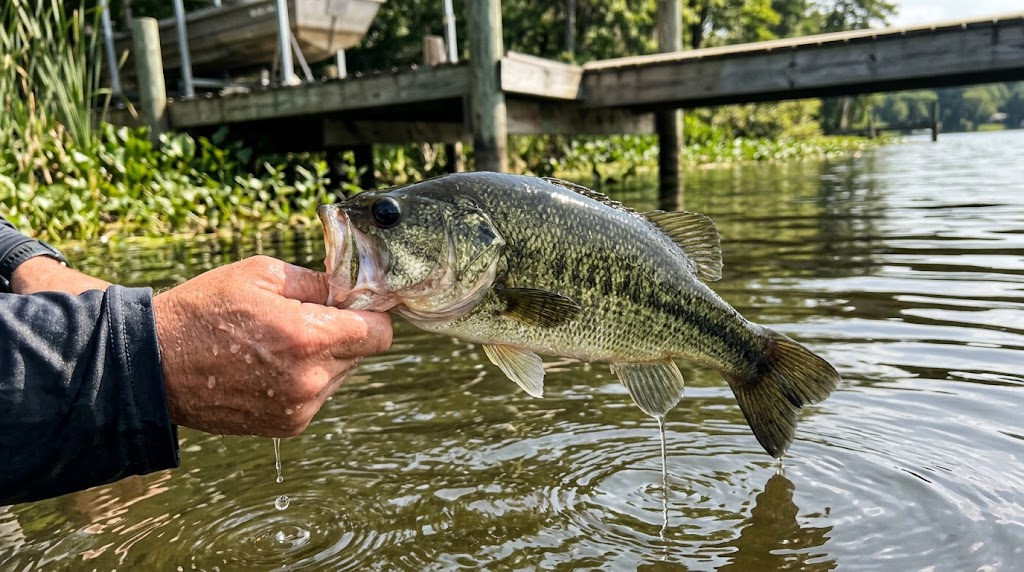
Especially in vegetation-heavy areas, bass respond strongly to realistic movement and natural profiles. Top choices include soft plastic worms, frog fishing lures, and jerkbaits.
- For trout fishing
Smaller and more subtle lures work best. Inline spinners and small spoons are highly effective because they provide flash and finesse presentation.
- For walleye fishing
Fishing jigs are extremely effective, especially when combined with live bait or used along drop-offs and weed edges.
- For pike fishing
Aggressive reaction lures work best. Fishing spinnerbaits are especially effective due to their large profile, vibration, and flash. Surface lures can also trigger explosive strikes.
- For northern pike and similar apex predators
Pike crankbaits that match baitfish size and color are highly effective in producing natural feeding responses.
Best Lures for Freshwater Fishing (Summary Table)
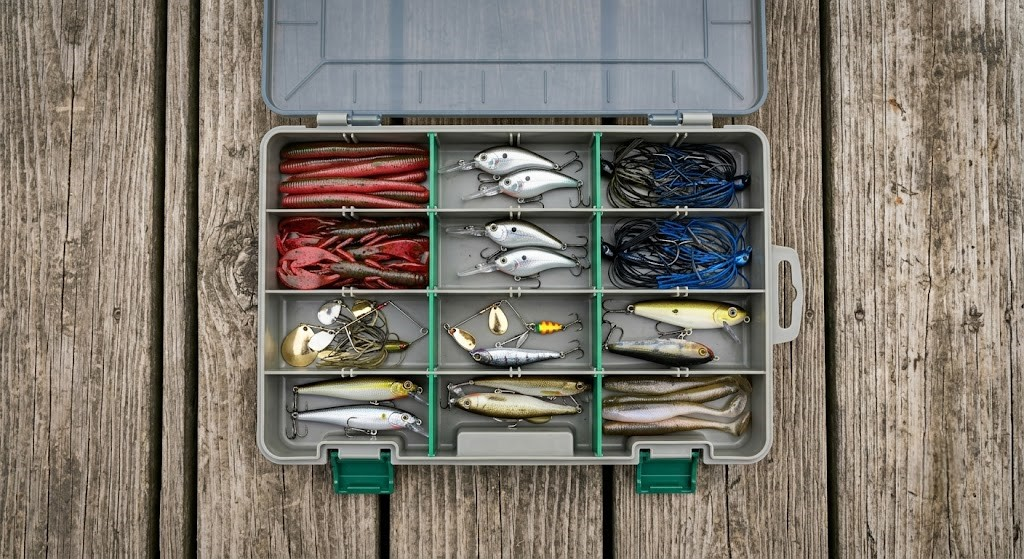
Choosing the right lure depends on a variety of factors. Consider the time of day, the season, the body of water, the target species’ food sources, water depth, the weather, and your retrieval technique—and that is just to name a few. Based on years of fishing experience, here are my top picks for freshwater lures.
| Lure Type | Best For (Target Fish) | Water Layer | When to Use | Key Features |
| Topwater Lures | Bass, Pike | Surface | Early morning, evening, fall feeding season | Creates splash and noise to trigger aggressive strikes |
| Crankbaits | Bass, Walleye | Mid to Deep | Cold water, searching large areas | Mimics baitfish, covers water quickly |
| Spinnerbaits | Bass, Pike | Mid-water | Murky water, low visibility | Strong vibration + flash attracts fish |
| Soft Plastic Lures | Bass, Trout | All layers | Year-round, especially when fish are inactive | Natural movement, versatile rigging |
| Jigs | Bass, Panfish | Bottom | Winter, deep structure fishing | Mimics crawfish and bottom prey |
| Spoons | Trout, Pike | Mid to Deep | Cold water, long casting | Reflective flash, simple and effective |
| Swimbaits | Bass, Pike | Mid-water | Fall, big predator feeding season | Realistic swimming action for bigger fish |
| Trolling Lures | Salmon, Walleye | Mid to Deep | Boat fishing, covering large areas | Stable action at constant speeds |
Final Thoughts
The best freshwater fishing lure is always situation-dependent. Successful anglers adjust lure selection based on water clarity, depth, current, season, and fish behavior.
Understanding these variables improves decision-making efficiency and consistently increases strike rates across different fishing environments.
FAQ
What are the best lures for lake fishing bass?
Common effective lake bass fishing lures include topwater lures such as poppers and walking baits, especially during early morning and evening when bass feed near the surface.
What are the best freshwater fishing lures for beginners?
Beginner-friendly lures include spinnerbaits, soft plastic worms, and crankbaits due to their ease of use, stable action, and high strike rate across different conditions.

One thought on “Which Lures Are Best for Freshwater Fishing?”