

Blog
What Size Spinning Reel for Beginner?

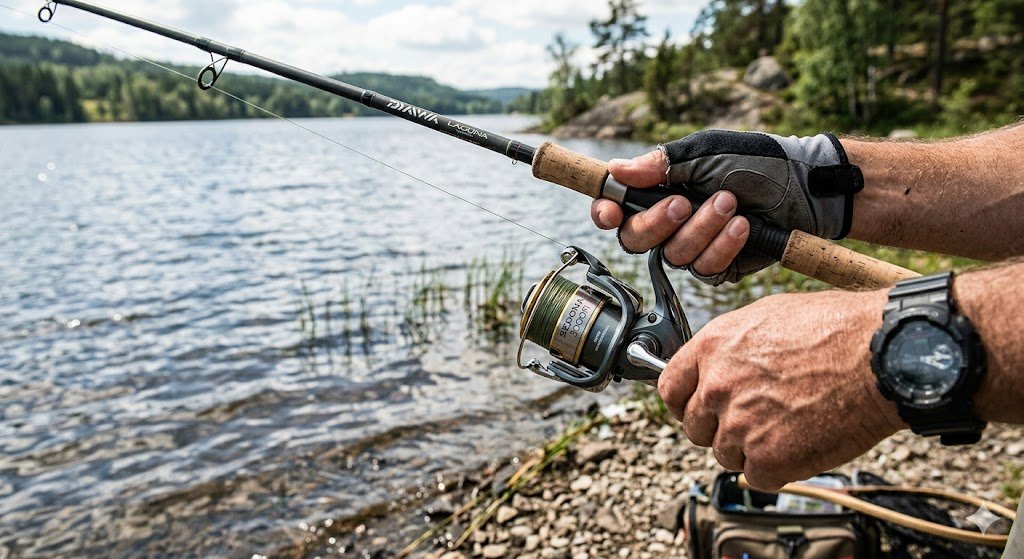
Table of Contents
For fishing beginners, choosing the correct spinning reel size is one of the key factors that determines how quickly you learn and how comfortable your overall fishing experience will be. Spinning reel size directly affects casting distance, line control, target species suitability, and overall handling feel.
In a real fishing system, the rod and reel must be matched as a coordinated setup rather than selected independently.
Basic Logic of Rod and Reel Matching
Selecting gear based on target species is the fundamental principle:
Small species (e.g., juvenile bass, trout, bluegill, perch) → lightweight setup
Medium species (e.g., bass, largemouth bass, catfish) → medium setup
Large species (e.g., tuna, snapper, sea bass) → heavy setup
The core role of spinning reel size is to match line strength + line capacity + fish-fighting power.
Should Beginners Buy Rod or Reel First?
From a professional perspective:
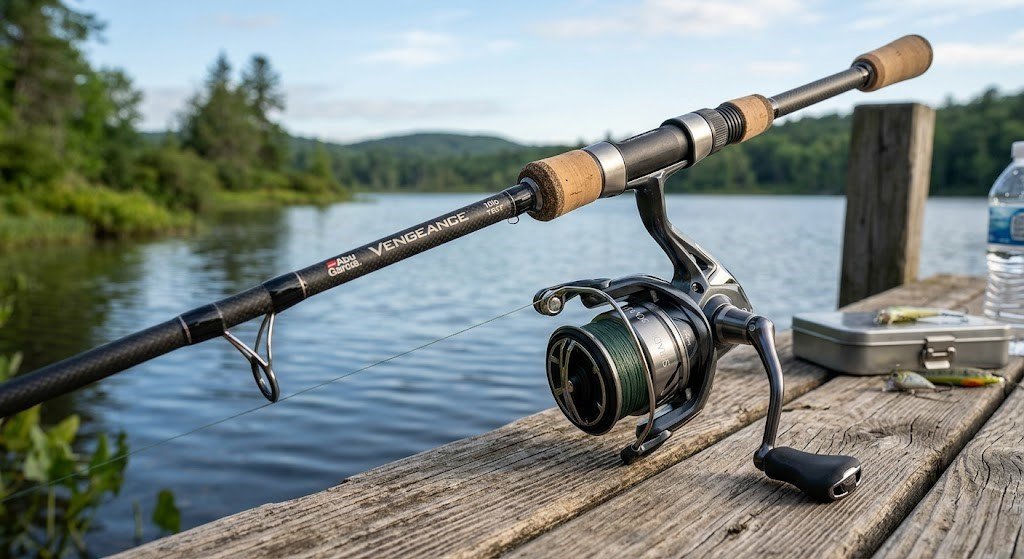
Rod and reel should always be selected as a system combo, not purchased separately.
Reasons:
Rod guides have limits on line diameter compatibility
Reel spool capacity determines usable line types
Mismatch can reduce casting distance or increase line break risk
For beginners, it is recommended to choose a spinning rod and reel combo, which significantly reduces cost and trial-and-error risk.
What Size Reel Should You Use for Your First Fishing Trip?
On your first fishing trips, you are most likely to catch small mixed species. This is actually ideal, because smaller reels are easier to handle.
For beginners, a small spinning reel paired with a light rod is highly beneficial. It allows you to practice basic fishing skills before moving on to larger, more powerful reels that require more control and technique.
Does Spinning Reel Size Matter?
Yes, reel size is critical in fishing.
Line Capacity
Larger reels hold thicker and longer fishing lines, which is essential for targeting big fish. Small reels may run out of line under pressure, increasing the risk of losing fish.
Casting Distance
Reel diameter affects casting distance. Larger reels release more line per rotation, enabling longer casts
Fish Fighting Power
Larger reels retrieve more line per turn, making them better for fighting large fish. However, for precise control, smaller reels often perform better
Spinning Reel Size Chart
| Size | Application | Mono Line Weight | Braided Line Weight | Fish Species |
| Small Reel Sizes | ||||
| 1000-2000 | Ultralight fishing in fresh and calm water | 2-4 pounds | 4-8 pounds | Trout, Crappie, Bluegill, Yellow Perch |
| 2000-2500 | Light spin fishing in fresh and calm water | 4-8 pounds | 5-12 pounds | Bass, Trout, Walleye, Northern Pike, Mackerel |
| 3000-3500 | Light spin fishing in fresh and calm water | 6-10 pounds | 6-14 pounds | Bass, Walleye, Catfish, Northern Pike, Mackerel |
| Medium Reel Sizes | ||||
| 4000-4500 | Medium duty fishing | 8-12 pounds | 8-20 pounds | Catfish, Muskie, Redfish, Snapper, Snook |
| 5000-5500 | Medium duty fishing in fresh and inshore saltwater | 10-14 pounds | 10-25 pounds | Catfish, Muskie, Redfish, Snapper, Snook, Carp |
| Large Reel Sizes | ||||
| 6000-7000 | Medium duty fishing in inshore and offshore saltwater | 12-16 pounds | 12-30 pounds | Striped bass, Salmon, Snook, Redfish, Carp, Cod, Grouper |
| 8000-10000 | Heavy fishing in offshore saltwater | 16-25 pounds | 20-50 pounds | Wahoo, Roosterfish, Dorado, Barracuda, Amberjack, Cod, Grouper, Tarpon |
| 10000 and up | Deep sea fishing | 25+ pounds | 50-100 pounds | Tuna, Wahoo, Dorado, Shark, Tarpon, Sailfish |
Use of Different Spinning Reel Sizes
Small Spinning Reels(1000–3500)
Best for ultralight and light freshwater fishing. Suitable for trout, perch, and small bass. Ideal for beginners learning casting and lure control.
Medium Spinning Reels (4000–6000)
Works well for both freshwater and light saltwater fishing. Suitable for larger bass, catfish, and inshore species.
Large Spinning Reels(8000–30000)
Designed for offshore and deep-sea fishing. Used for large species such as tuna, shark, and big game fish.
How to Choose Spinning Reel Size?
Step 1: Identify Target Species
Bigger fish → larger reel size
Step 2: Identify Fishing Environment
Freshwater → small/medium
Inshore saltwater → medium
Offshore → large
Step 3: Match Rod Specifications
Focus on:
Lure weight range
Line rating
Note: Different brands (e.g., Shimano Spinning Reels and Daiwa Spinning Reels) may have slight size variations. Do not rely only on model numbers—check line capacity and actual specifications.
How Do You Match a Spinning Reel with a Rod?
Proper matching is essential for balance and performance.
Rod Length
| Spinning Reel Size | Rod Size | Line Rating |
| 1000 | 6-7 feet | 2-8 pounds |
| 2000-2500 | 6-7 feet | 4-10 pounds |
| 3000-3500 | 6-7.5 feet | 6-15 pounds |
| 4000-5000 | 6-8 feet or 8-10 foot light rod | 8-22 pounds |
| 5500 | 6-8 feet or 10-11 foot medium rod | 10-22 pounds |
| 6000 | 8-9 feet or 10 foot surf rod | 15-35 pounds |
| 7000 | 8-9 feet or 10-12 foot beach rod | 15-45 pounds |
| 8000 | 12 feet and up | 25-50 pounds |
| 10,000 | 12 feet and up | Above 25 pounds |
Rod Power
UL / L → 1000–2500
ML / M → 2500–5000
MH / H → 5000+
Rod Action
The action of a fishing rod—referring to how and where it bends—should be appropriately matched to the size of the fishing reel.
Fast-action rods (which bend closer to the tip) are best suited for small to medium-sized reels, whereas medium-to-slow action rods (which bend closer to the butt) are better suited for larger reels.
Line Capacity
Ensure that your spinning fishing rod is capable of handling the weight and specifications of the fishing line spooled onto your reel. This information is typically printed directly on the rod.
Balance
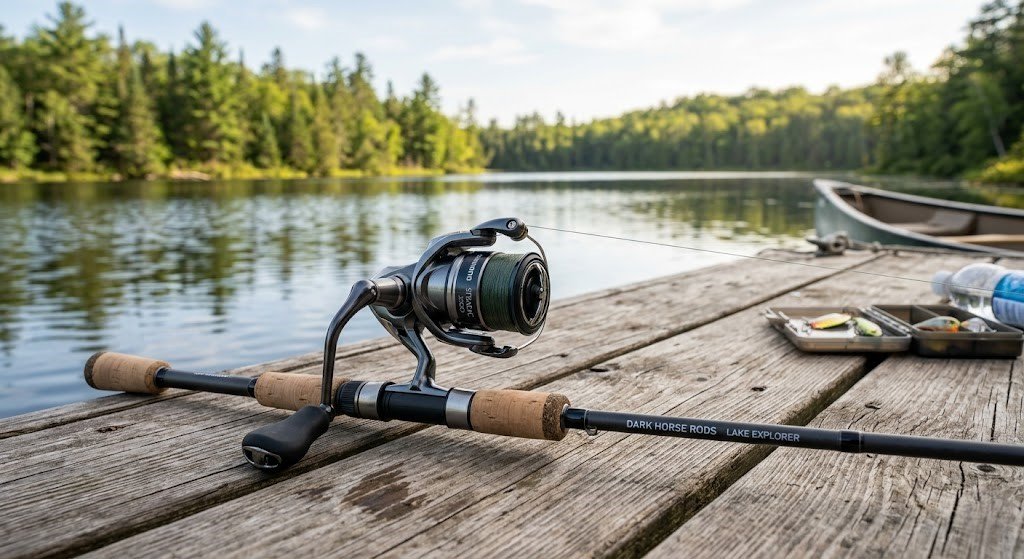
Once assembled, the rod and reel setup should be well-balanced. When holding the rod and reel, the combination should not tip forward or backward.
A well-balanced spinning rod and reel combination helps reduce fatigue and provides superior handling.
Fishing Techniques
Your specific fishing techniques and target species will also influence your choice of equipment combination.
For instance, if you are targeting large saltwater fish, you will require a sturdy rod paired with a large-sized reel.
The ultimate goal is to find a rod and reel combination that feels comfortable in your grip and is properly balanced. It is highly recommended to physically test out different combinations in person before making a purchase.
How To Choose Saltwater Spinning Reel Size?
Saltwater spinning reels are generally larger due to harsher conditions.
Key requirements:
Corrosion resistance
Strong drag system
Higher line capacity
Recommendations:
Inshore: 3000–5000 size spinning reel
Offshore: 5000–8000 size spinning reel
Deep sea: 8000+ size spinning reel
What Size Spinning Reel for Bass?
Best Spinning Reel for Bass:2000–3500 size spinning reel
Reason:
Lightweight and easy to control
Suitable for most bass lures
Balanced for freshwater setups
What Size Spinning Reel for Catfish?
Best Spinning Reel for Catfish:4000–5500 size spinning reel
Setup:
7–8 ft medium-heavy rod
10–20 lb+ line
Suitable for bottom fishing, night fishing, and larger catfish.
FAQ
Best reel size for beginners?
2500–3000 size spinning reel is the most recommended starting point. It offers a balance between control, versatility, and ease of use.
Difference between 1000 and 3000 reels?
3000 size spinning reel: higher capacity, stronger fish control.
1000 size spinning reel: lighter, better sensitivity, micro fishing.
Is bigger reel always better?
No. Oversized reels reduce casting efficiency, increase fatigue, and are not suitable for light rods.
Saltwater vs freshwater reels difference?
Saltwater reels require corrosion resistance, stronger drag systems, and larger line capacity. 4000+ size is generally preferred for saltwater use.


5 thoughts on “What Size Spinning Reel for Beginner?”