

Blog
How to Fish Topwater Lures for Beginners

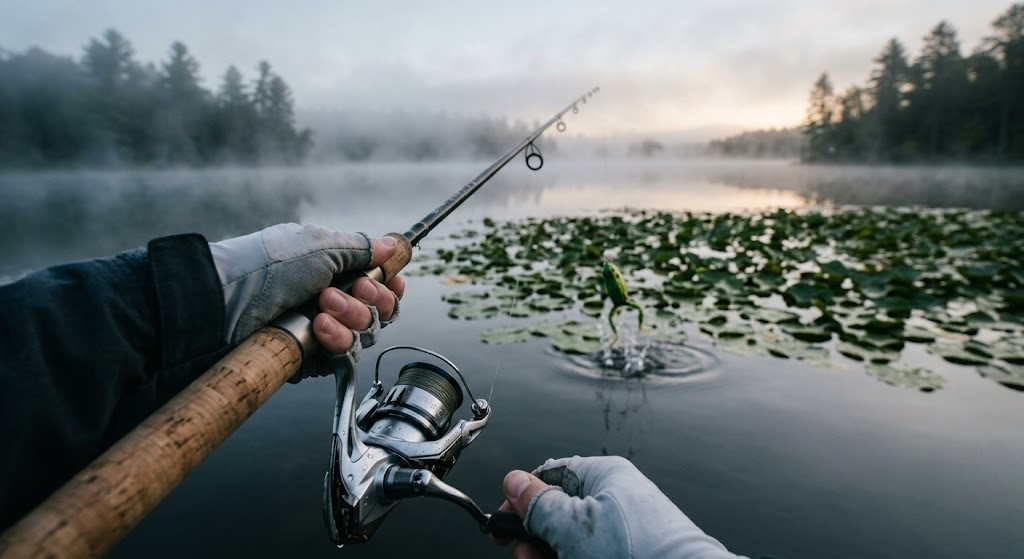
Table of Contents
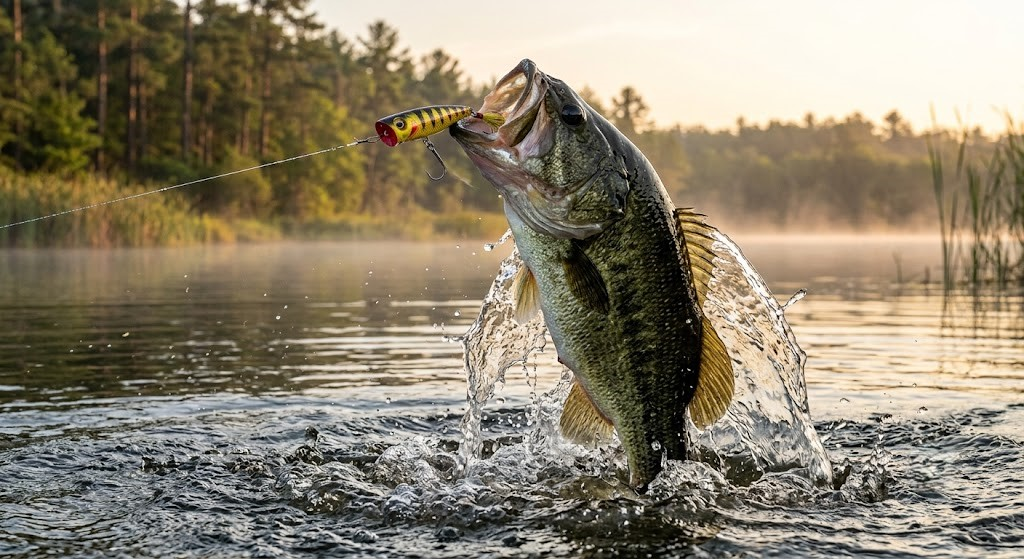
There is absolutely nothing in fishing that compares to the heart-stopping thrill of a surface strike. As a beginner, watching the water suddenly erupt as a massive bass smashes your lure is a visual shock that will make you fall in love with the sport completely.
However, topwater fishing requires a bit of finesse, the right fishing gear, and an understanding of bass feeding habits. In this guide, we will break down the essential topwater lures, step-by-step retrieve techniques, and the best casting spots so you can start enjoying those explosive bites today.
What is a Topwater Lure
A topwater fishing lure is a type of bait designed to float and create a disturbance on the water’s surface. They don’t dive deep; instead, they mimic injured baitfish, struggling insects, or frogs skimming across the surface.
The Magic of the Surface Strike
The visual aspect is what makes topwater fishing so captivating. Not only is it incredibly exciting, but it also gives beginners a massive advantage: you can clearly see the lure’s action and the fish’s bite.
This visual feedback helps you understand exactly how twitching the fishing rod affects the fishing lure’s swimming action, making it the perfect training ground for mastering lure control.
Best Topwater Fishing Lures for Beginners
While tackle shops are filled with endless options, beginners only need to focus on these 3 battle-tested topwater lures:
The topwater lure popper is one of the oldest and most reliable bass lures in history. Its cupped face design is meant to create resistance in the water.
When you twitch the fishing rod, you want the front of the popper fishing lure to strike the water, making a popping or “gulping” sound and splashing water. Because popper lures can be worked slowly and stay in a small strike zone for longer periods, they are extremely beginner-friendly.
Walking baits usually feature a streamlined, cigar-shaped body. When worked correctly, they perform a mesmerizing side-to-side zig-zag motion across the surface (the “walk the dog” action).
Using the walking bait requires keeping the fishing line semi-slack and using continuous, short twitches of the rod tip to make the lure glide back and forth. They are fantastic for covering large areas of water quickly.
This topwater frog is completely weedless. Cast the frog out and slowly twitch it along weed beds. Adding a brief pause is one of the best ways to trick a giant bass.
They can actually be used anywhere, including boat docks, bushes, and even open water. However, one of the best ways to use a hollow body frog is fishing it near holes in lily pads and vegetation.
Step-by-Step: How to Fish Topwater Lures Like a Pro
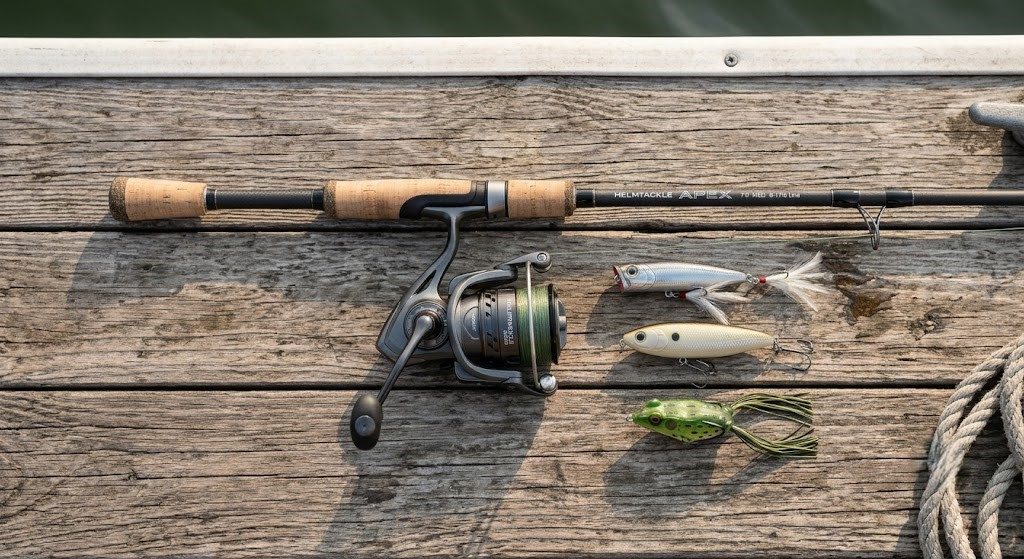
To get the best swimming action out of these baits, you need the right setup. A 7’0″ medium action spinning rod paired with a reliable spinning reel and 15 to 20 lb floating braided line is the perfect spinning combo for long-distance casting of lightweight poppers and easy lure control.
The Pop and Pause Technique
Cast your popper out and wait for the water ripples to fade. Give your spinning rod a sharp downward twitch, then pause. Many bites happen during those few seconds when the lure is sitting dead still.
Mastering the “Walk the Dog” Lure Retrieval
Point your rod tip down. Use continuous, short wrist twitches on the spinning rod while slowly turning the reel handle. The key here is to keep a tiny bit of slack in the line between twitches so the lure has room to glide from side to side.
The Frog Lure Hop Over Heavy Cover
Keep your rod tip pointing up and gently twitch the lure so it hops over heavy cover. When it reaches open water, you can even “walk the dog” with the frog side-to-side just like a walking bait.
🎣 Topwater Lure Action Viewer
When and Where to Throw Topwater Baits for Bass
Low Light Conditions for Topwater Bites
Many predatory fish prefer to hunt when they are less visible. Dawn, dusk, or overcast days are the traditional golden times for topwater fishing. However, topwater fishing lures can be equally effective at midday. When the sun is high, weed beds and shade lines are excellent places to look for big bass bites.
Targeting the Best Fishing Spots
Fish always need hiding places to ambush prey, so I always look for bottom structure to cast my topwater lures. Structures with water flow, hard cover like rocks, logs, lily pads, and aquatic vegetation, as well as man-made features like docks and breakwaters, are all excellent fishing spots. Try to fish in shallow water, as fish in deep water might not detect your surface lure. If you want to know how to find good spots near you, please read: How to Find A Good Fishing Spots Before You Cast?
The Spawn and Post-Spawn Seasons
Seasonally, there is no better time for topwater fishing than the spawn or post-spawn periods. When females are on their spawning beds or males are guarding fry, topwater lures might be the absolute best way to catch them.
Common Beginner Mistakes to Avoid with Topwater Fishing
Setting the Hook Too Early
One of the most common mistakes anglers make when using topwater baits is setting the hook too early.
If you see a fish violently smash your lure, your instinct is to yank the rod immediately—don't do this! You need to wait until you actually feel the weight of the fish on your spinning rod before reeling in the slack and setting the hook.
Fish don't always get hooked on the first strike, and if you swing too early, you will only pull the lure right out of the fish's strike zone.
Keeping Stock Treble Hooks
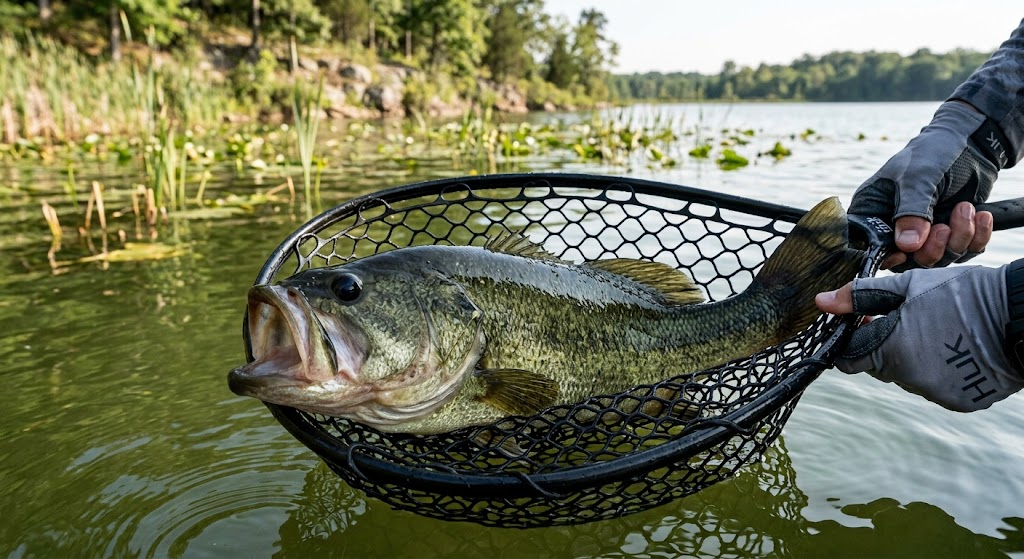
One trick we always recommend is swapping out factory treble hooks for single hooks. This is not only better for the bass (reducing the chances of hooking their eyes or gills) but also safer for you, preventing accidental snags on your clothes or other people on the boat when unhooking a fish.
Over to You!
Mastering the timing of topwater bites requires a bit of patience, but once you experience that first explosive surface strike on your spinning combo, you will be hooked forever.
FAQ
What is the best topwater lure for beginners?
Topwater poppers are the most beginner-friendly. They can be worked slowly in a small strike zone, giving you more time to attract a bass.
Why do I keep missing topwater bites?
You are likely setting the hook too early. Never strike just on the splash—wait until you feel the weight of the fish on your rod.

2 thoughts on “How to Fish Topwater Lures for Beginners”