Blog
Stop Getting Skunked: Why Do You Always Fail to Catch Fish?

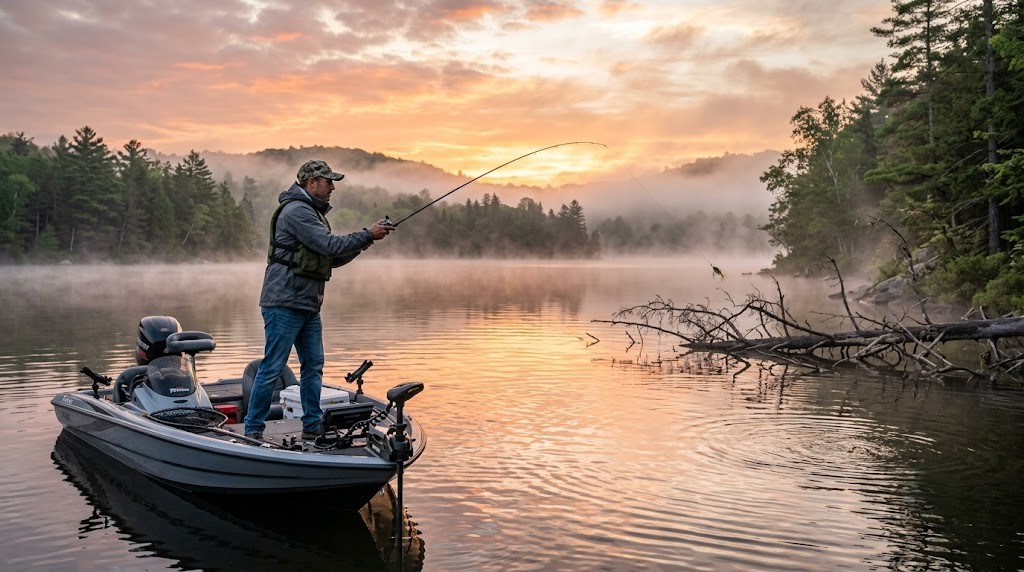
Table of Contents
Tired of casting all day and catching nothing? Catching fish consistently isn’t about luck; it’s about eliminating fundamental mistakes. If you are always getting skunked, you are likely failing in one of three areas: a gear mismatch, ignoring environmental factors, or casting your bait into “dead zones.” Below is the ultimate hardcore, actionable fishing guide to fix your approach and improve your fishing success rate.
Reason 1 for Getting Skunked: Your Gear Doesn’t Match the Species
Attempting to use a single rod and reel combo for every situation is guaranteed to get skunked. Different fishing conditions demand specific fishing rod setups.
Spinning vs. Baitcasting Rods: Are You Making the Right Choice?
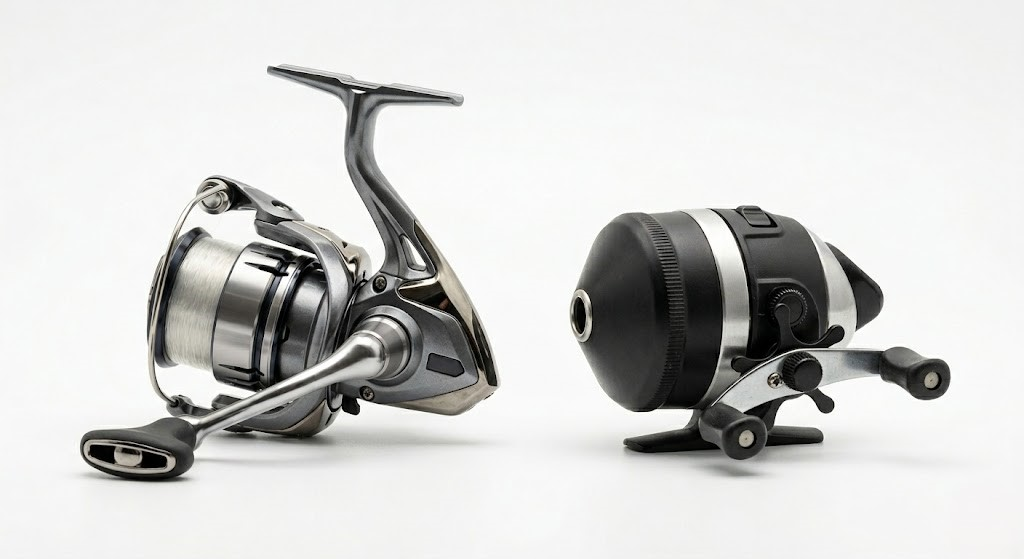
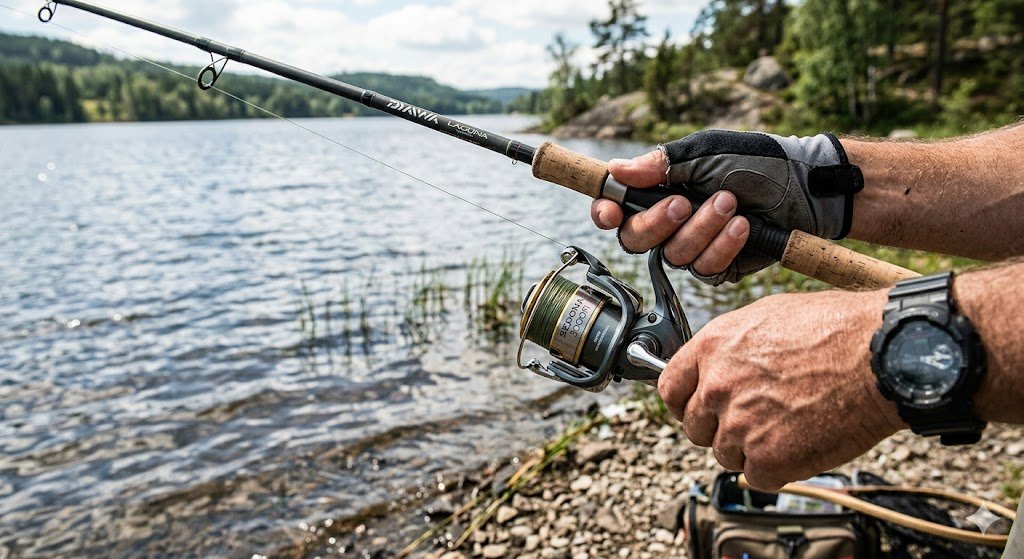
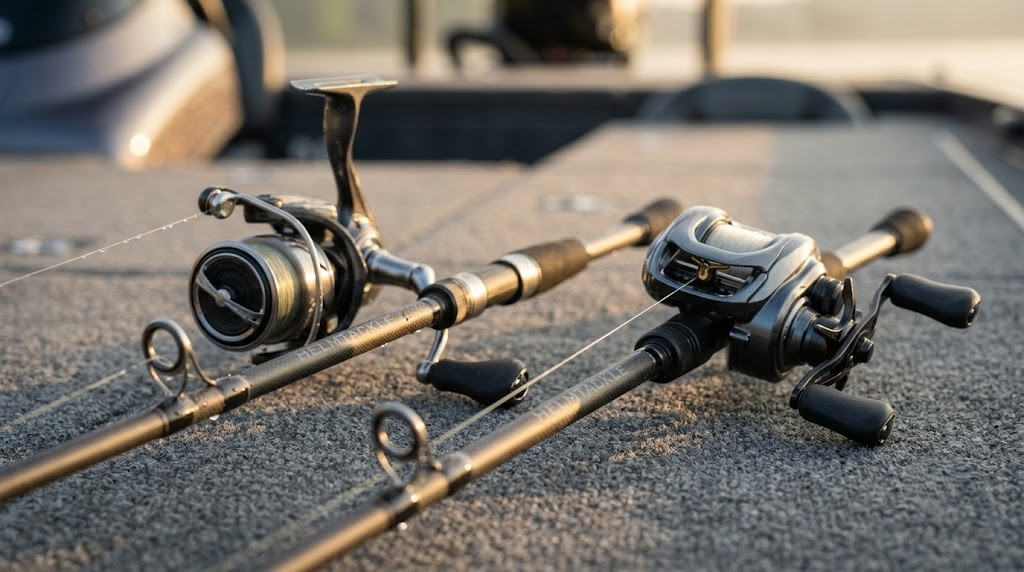
A spinning rod features a spinning reel mounted underneath the rod blank and has larger line guides. Spinning setups are incredibly user-friendly, rarely cause backlash (bird’s nests), and are perfect fishing gear for beginners. They are highly suitable for light lures, finesse fishing techniques (like drop shot rigs and wacky rigs), long-distance casting, open water, and windy conditions.
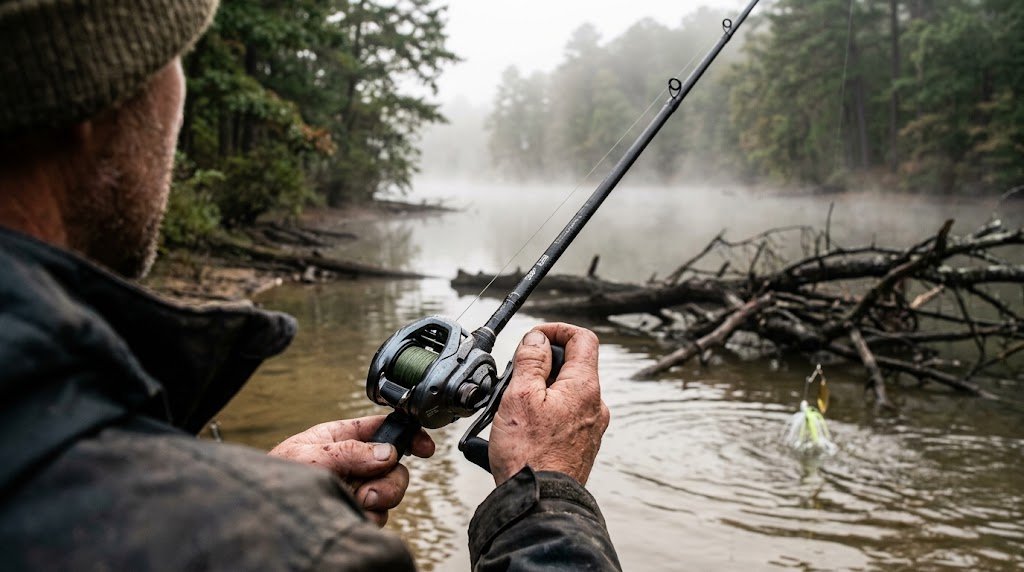
A casting rod (baitcaster) pairs with a baitcasting reel mounted on top of the rod blank, featuring smaller guides positioned closer to the rod. The rod action (how fast the rod bends under pressure) is generally faster, allowing for longer casts and providing much stronger hook-setting power. Baitcasting setups are more prone to backlash and require a higher skill level, but they offer pinpoint casting accuracy. They are ideal for heavy lures, power fishing, heavy weed cover, targeting large fish species, and precision casting.
Finesse Fishing vs. Power Fishing: Finding the Balance
Finesse Fishing: This targets a specific area where fish are schooling (or where you suspect fish are holding) by using smaller, quieter artificial lures to entice less aggressive fish. Using setups like drop shot rigs or Ned rigs tricks the fish into thinking the lure is natural live bait. Generally, most anglers choose a spinning reel for finesse fishing applications.
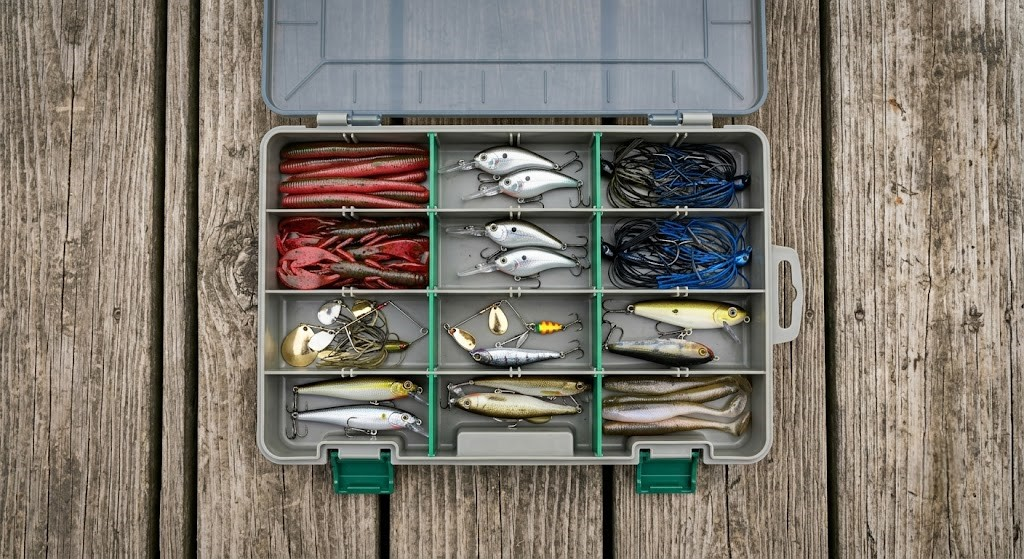
- Power Fishing: This refers to the strategy of covering large expanses of water to locate fish, attracting highly aggressive fish, and inducing a primal reaction strike. This technique typically utilizes moving baits, such as crankbait lures or jerkbait lures.
- Finesse fishing is highly effective when fish are feeding heavily; I often use small, dark-colored lures, dragging them slowly with minimal movement to mimic small baitfish. This is also an excellent winter fishing strategy.
Power fishing is suitable when fish are reluctant to bite; I will deploy a wide-action compact spinnerbait fishing lure to agitate and anger the fish into a reaction bite.
Reason 2 for Getting Skunked: Ignoring Water Temp & Weather
Fish are ectothermic (cold-blooded) animals. According to data from the U.S. Fish and Wildlife Service, their metabolism is entirely controlled by water temperature. If you don’t follow the rules, you will also get skunked.
How Seasonal Changes Dictate Fish Behavior
Spawning, migration, and feeding habits change with the seasons.
- Spring Fishing: As temperatures rise, fish move from deep water back to shallow areas. Freshwater fish will migrate to warm nearshore waters to spawn, such as rivers, lakes, and even smaller creeks. You can use finesse fishing lures like soft plastic lures.
- Summer Fishing: During the scorching heat, fish constantly search for waters with ideal temperature, oxygen, and food. Look for cool, oxygen-rich zones near shallow vegetation, underwater structures, and moving currents. Fish like bass, walleye, and northern pike typically suspend just above the thermocline. I usually spend more time scouting around rocks, submerged timber, and artificial structures where they congregate. You can use a drop shot rig or a Carolina rig to attract them.
- Fall Fishing: As temperatures drop, fish seek deeper, more temperature-stable waters. During this time, they feed aggressively to prepare for winter, ambushing prey near shallow waters in low-light conditions or at night. I frequently fish from noon to dusk when the water temperature peaks, utilizing lipless crankbaits and spinnerbait fishing lures.
- Winter Fishing: As water temps plummet, fish reduce their feeding activity, generally concentrating their foraging to the morning or evening hours. You can find them in deeper waters where temperatures are more stable. It is highly recommended to use blade baits or drop shot rigs for slow-paced winter fishing.
Matching Your Fishing Lure to the Water Temperature
Because fish are cold-blooded animals, the ambient water temperature directly affects their body temperature. Simultaneously, dissolved oxygen levels in the water are also heavily influenced by temperature.
- When water temperatures rise: A fish’s metabolism accelerates, dissolved oxygen levels decrease, and their activity levels increase, leading to aggressive feeding.
- When water temperatures drop: A fish’s metabolism slows down, dissolved oxygen levels rise, and their activity levels decrease, causing them to conserve energy and reduce feeding.
Reason 3 for Getting Skunked: Casting into “Dead Zones” (Location and Timing Mistakes)
Reading the Water: Structure, Cover, and Current
The best fishing spots are always at the intersection of structure, cover, and current. Otherwise, you may get skunked.
- Distinguishing Between “Structure” and “Cover”
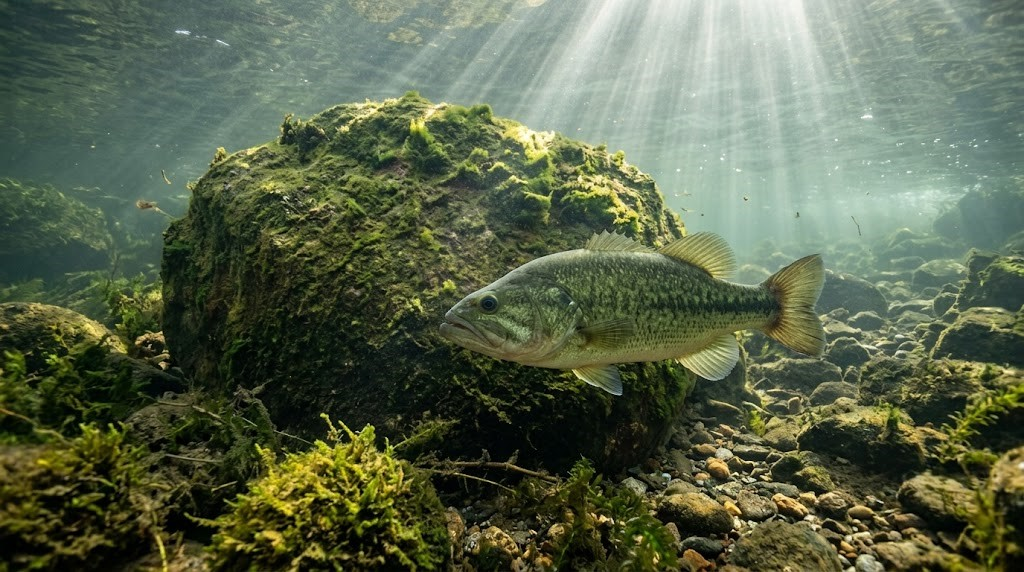
Structure: The permanent bottom contours of the water body (e.g., deep channels, steep drop-offs). These serve as the underwater highways fish use to migrate between different zones.
Cover: Objects resting on or attached to the structure (e.g., submerged timber, weed beds, rocks). This is where fish live and hide. If the cover is not located in the path of the water current, it is usually an ineffective “dead zone.”
- Finding Current Seams
Water current is essentially a conveyor belt delivering food. Fish are inherently lazy and will not constantly fight a heavy current and drain their energy. The “current seam”—the boundary between fast and slow-moving water—is the ultimate strike zone. Predatory fish will rest in slack water (or directly behind cover) and ambush prey as the fast current washes it by.
Note: Do not fish the “inside bends” of rivers (which are usually shallow, heavily silted, and lifeless); avoid flat, featureless bottom areas with no current changes.
For more fishing spot information: How to Find A Good Fishing Spots Before You Cast?
The Golden Hours of Fishing
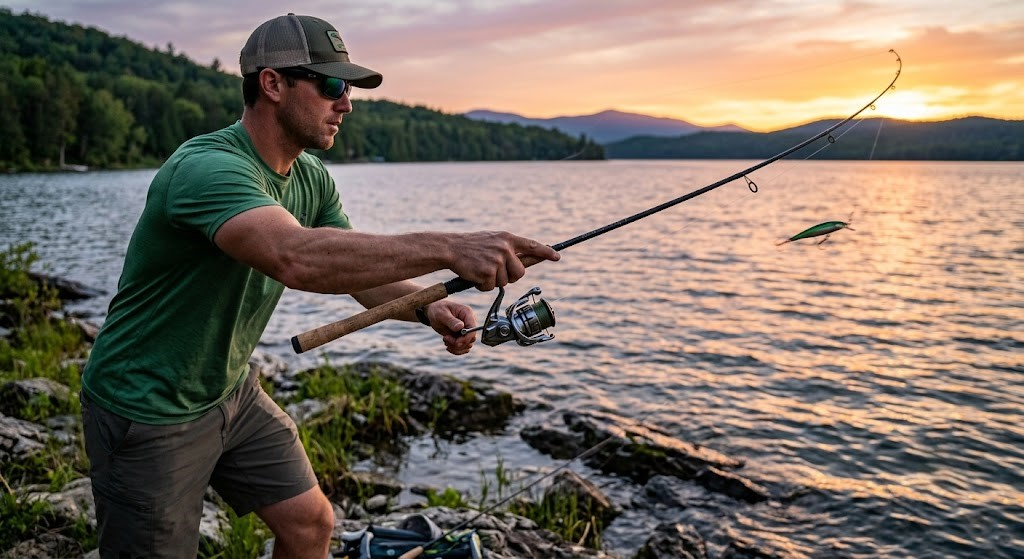
In the angling world, “The Golden Hours” typically refer to the two hours around sunrise (early morning) and the two hours around sunset (dusk).
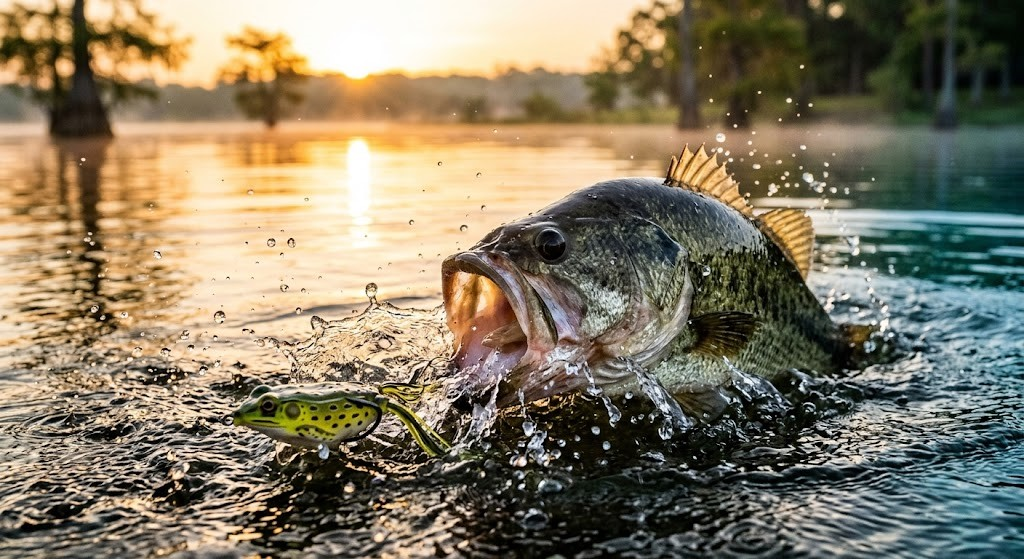
For experienced lure anglers, this is the most active feeding window of the day for predatory fish, making it the easiest time to experience a continuous catching frenzy.
During this time, you should fully switch to the highly efficient power fishing technique, utilizing topwater fishing lures, high-vibration baits, and highly reflective spinnerbaits.
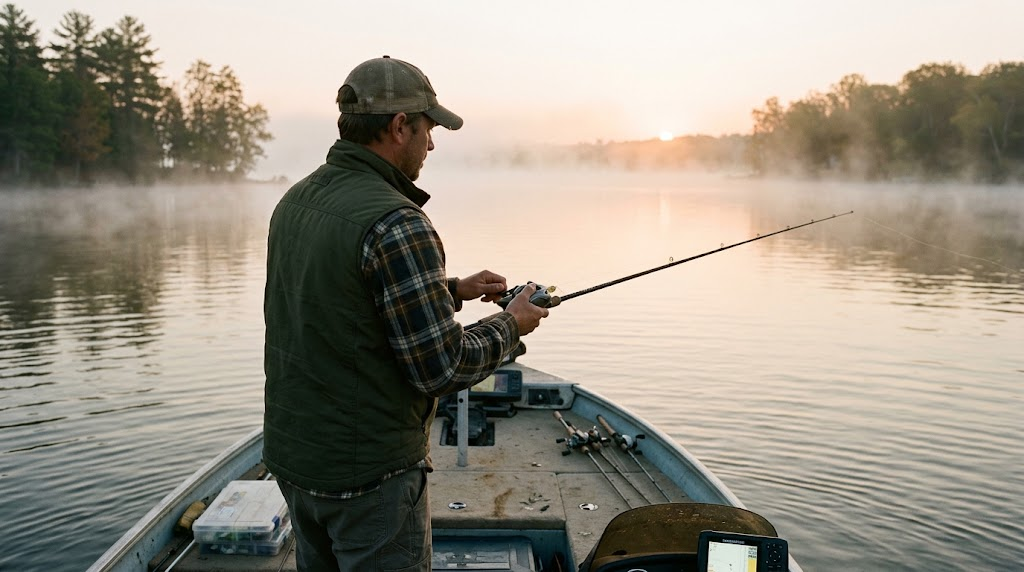
Pro Tip: This golden hour feeding window is incredibly brief (sometimes lasting only a short 30-45 minutes). Do not waste this precious time changing lures or untangling knots. It is highly recommended to prep multiple rod and reel setups on your boat or the bank well in advance.
Turn Your Luck Around: The Ultimate Checklist
Ready to upgrade your fishing arsenal? Check out HELMTACKLE’s premium selection of purpose-built casting and spinning rods designed for specific water conditions, guaranteed to keep you far away from the dead zones.
FAQ
What is the best time of day to go fishing?
The most productive times are the “Golden Hours”—the two hours surrounding sunrise and sunset. Low-light conditions give predatory fish a tactical advantage, making them highly active and willing to strike.
What lure color is best for muddy water?
In stained or murky water, fish rely more on vibration and contrast. Use dark colors like black and blue, or incredibly bright colors like chartreuse, paired with high-vibration lures (like spinnerbaits) to help fish locate your bait.