Blog
Are Glide Baits Effective for Bass Fishing?

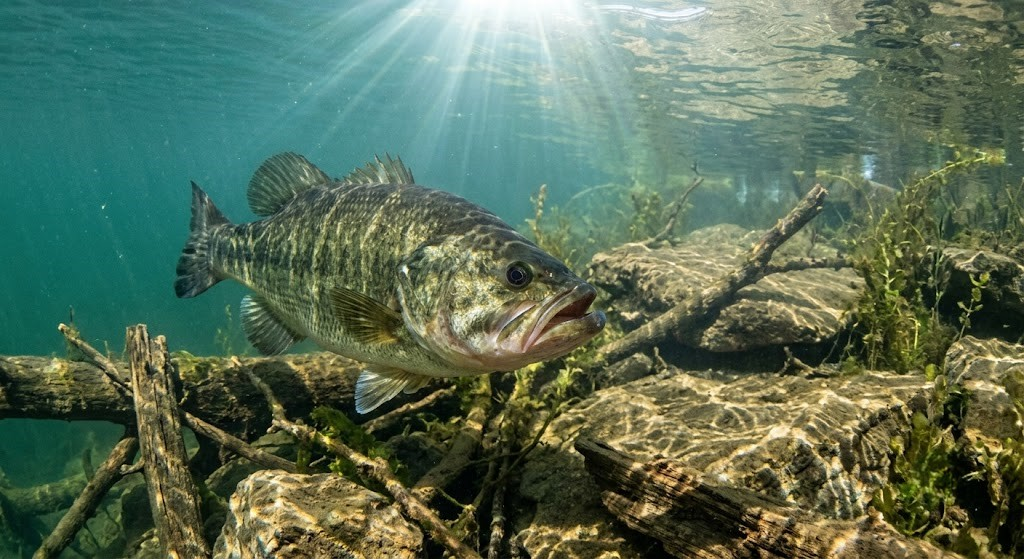
Table of Contents
If you frequently browse bass fishing forums or watch tournament weigh-ins, you have likely seen the heart-pounding giant strikes brought on by large glide baits. But in day-to-day fishing, are glide baits really effective for bass fishing? Or are they just a passing fad?
The short answer is: yes, they are highly effective, especially when you are chasing your new Personal Best (PB) bass. Unlike smaller lures designed for catching numbers, glidebaits possess immense “draw power,” capable of pulling giant largemouth and smallmouth bass out of deep water structure to investigate.
In this guide, we will break down exactly how to fish a glide bait for bass, the seasonal water temperature strategies you must master, and the top bass fishing techniques to trigger explosive reaction strikes.
What Is a Glide Bait and Why Do Bass Absolutely Smash Them?
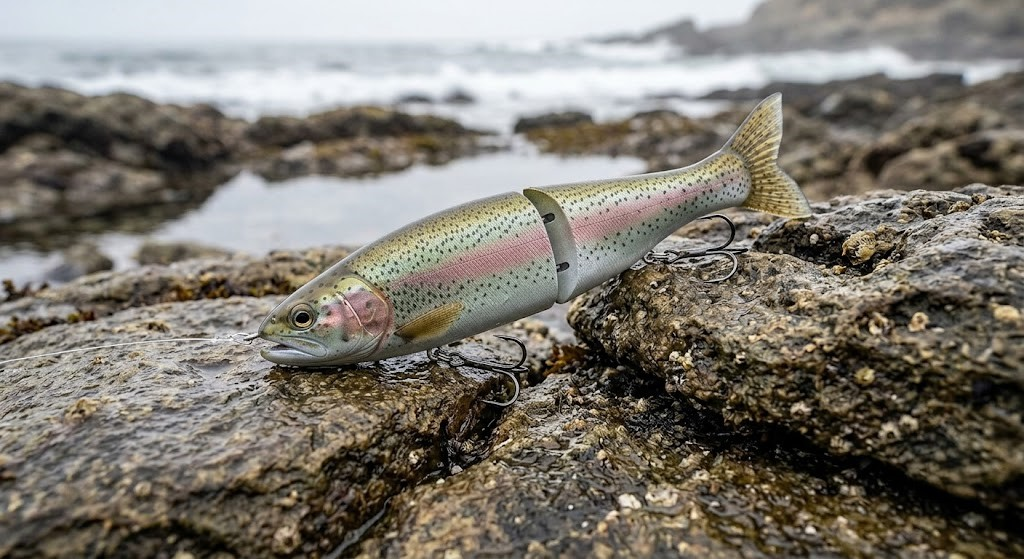
A glide bait is a type of hard lure, typically constructed from two pieces of hard plastic or resin, that glides or swims at a slow cadence to mimic prey movements, delivering a wide S-motion during the retrieve. Because of its generally large profile, it effectively imitates dying gizzard shad, hitch, or stocked trout.
The Anatomy of a Glide Bait vs Swimbait
The more joints a bait has, the more fluid its swimming action. Multi jointed swimbait typically features three or more joints, producing a tight, fluid, snake-like swimming action.
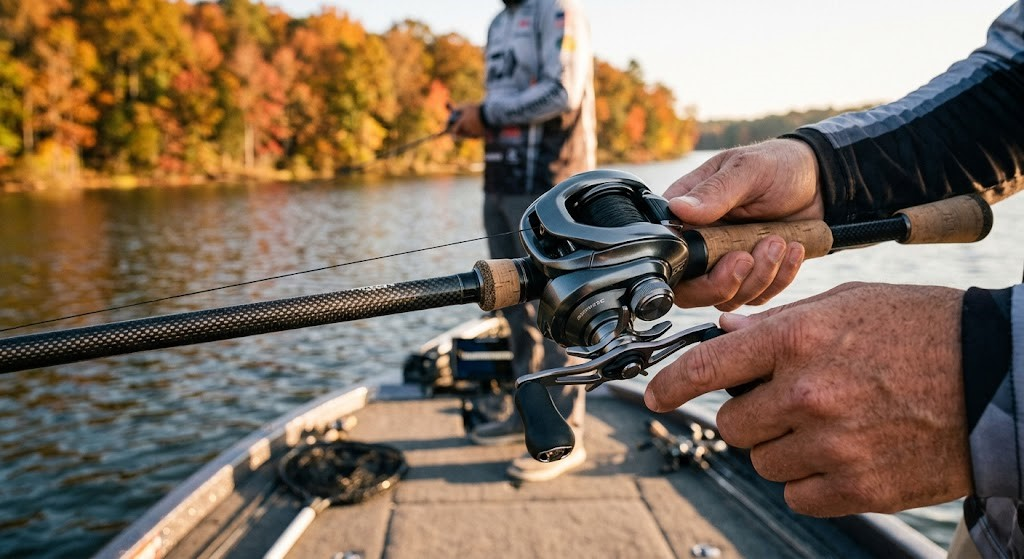
Glide baits, on the other hand, are usually single-jointed. These single-joint baits create a much more aggressive, side-to-side “chopping” action. This rapid chopping motion is primarily controlled by the fishing reel handle rather than the rod tip. A quick, short quarter-to-half turn of the handle is all it takes to generate a fast, erratic darting movement.
The Lethal “S-Motion”: Triggering the Predatory Instinct
The S-motion directly triggers a bass’s predatory instinct because a normal, healthy baitfish swims in a straight, tight line. When a bass sees this wide glide, its lateral line detects massive water displacement, immediately sensing the presence of vulnerable prey.
When and Where Do Glide Baits Work Best for Largemouth Bass?
Bass are ambush predators. They rely heavily on underwater structure, such as primary points, weed lines, and shallow cover to corral their prey. However, you cannot expect to just throw a glide bait anywhere and catch fish; adapting to seasonal water temperatures and water clarity is the secret to consistent catches.
The Best Seasons to Throw a Glide Bait
While bass glide baits can catch fish year-round, spring and fall are absolutely the prime seasons to throw them.
Spring (Pre-Spawn): When water temperatures hit 50-60°F (10-15°C) — Giant female bass move from their deep wintering holes toward shallow spawning flats. They feed aggressively to stock up on energy for the spawn, making pre-spawn bass fishing an ideal time for this lure.
Fall (The Fall Feed): As water temperatures drop — Winter is coming, and bass will push baitfish into the backs of creeks to gorge themselves. Large glidebait lures perfectly mimic the fully grown, mature baitfish present during this time of year.
Water Clarity Matters: Clear Water vs. Stained Water Tactics
According to the authoritative lure selection guides from Bassmaster, glide bait fishing lures are highly visual tools. They perform best in medium to clear water (3 to 20 feet of visibility) because the bass can see the lure from a distance.
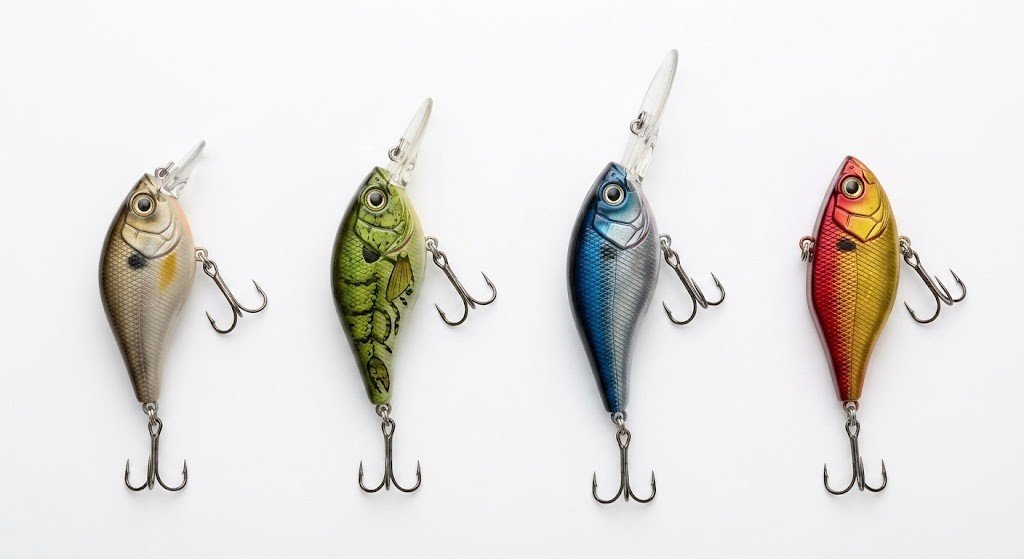
Clear Water: In clear lakes, a highly detailed, natural-looking lure is crucial. You need extremely refined, natural paint jobs (like a trout pattern or a shad glide bait). The more realistic the finish, the more your casts will draw fish in.
Stained/Murky Water: In murky rivers, opt for bright colors, such as solid, high-contrast patterns (chartreuse, black, or bone white glidebait). Employ a more aggressive casting and retrieval approach to grab the fish’s attention, helping them locate the bait via water displacement, which is a staple in murky water bass fishing.
To learn more about choosing lure colors, read: What Color Fishing Lure is Best? The Ultimate Lure Color Guide
Prime Locations: Points, Drop-offs, and Submerged Structure
Secondary Points: The rocky or sandy points leading into spawning coves.
Drop-offs/Ledges: Areas where shallow flats instantly drop into deep water. Bass will suspend right on the edge, looking upward.
Submerged Timber and Laydowns: Run your glide bait bass lure just above or parallel to fallen trees. The draw power of the bait will pull bass straight out of the branches.
Top Retrieval Techniques: How to Fish a Glide Bait Effectively
The magic of a fishing lures glide bait lies in the retrieve. The bait itself is designed with the action built-in, but your reel cadence dictates when the strike happens.
The Slow and Steady Retrieve
When first casting a glide bait fishing lure, you should pull the line in a slow and steady manner. This allows the lure to glide smoothly through the water, mimicking the movements of an injured baitfish. The key is to maintain a constant speed, keeping the lure moving consistently and steadily in the water column.
The Twitch and Pause
Once you have mastered how the glidebait moves in the water, try adding some sudden twitches while retrieving. This makes the bait’s action much more erratic and complex, thereby grabbing the fish’s attention.
The “quick twitch and pause” involves making short, fast twitches with your rod tip to simulate an injured baitfish. Afterward, pause for a few seconds, then repeat the action. For bass that are reluctant to commit to a continuously moving lure, this technique is incredibly effective.
Varying Your Speed
Some anglers increase their catch rates by altering the lure’s retrieval speed. The trick is to mix up your retrieve: sometimes employ a slow and steady approach, and other times quickly pull or jerk the bait. Mixing a slow retrieve with random, violent reel chops keeps bass highly curious and triggers vicious reaction strikes.
To learn more about fishing techniques, read: Finesse vs. Power Fishing: The Ultimate Guide for Every Water Condition
Stop Overworking the Glidebait
The most common mistake beginners make when fishing glide baits is overworking the lure. You actually don’t need to aggressively yank or rip the rod tip to make the bait dart around.
Instead, rely on your reel. Slowly turn the handle a half-crank to pull the bait left, then right, maintaining a steady rhythm. This subtle and natural cadence mimics the active swimming motion of a large baitfish, which is the exact key to drawing a strike.
Add an occasional pause during your retrieve, letting the bait suspend or sink slowly. This brief moment of stillness is often what provokes a following bass to attack. Remember, the goal is to look natural, not erratic or unnatural.
Are You Ready for Your New PB?
Fishing with glide bait lures requires patience, but the reward is often the biggest bass of your life. Drop a comment below and let us know: What is your favorite time of year to tie on a big bass glide bait?
FAQ
What is the best gear ratio for glide bait fishing?
A moderate 6.3:1 baitcasting reel is ideal. It provides enough torque for heavy lures while naturally preventing you from reeling the bait too fast.
Do glide baits work in muddy water?
They perform best in clear water. However, you can succeed in muddy water by using solid, high-contrast colors (like black or bone) and a more erratic retrieve to create heavier water displacement.