Blog
Best Lure for Summer Bass in Pond

Table of Contents
When fishing for pond bass in summer, you will quickly realize one thing: it’s not that the fish aren’t there, but their locations and feeding times have completely changed. Compared to larger bodies of water, ponds heat up faster and are more prone to low oxygen, which directly alters the activity patterns of bass.
Through multiple summer pond fishing sessions, I’ve summarized one core principle:
Choosing the right lure is less important than choosing the right “time + water layer + presentation.” However, on that basis, certain lures are indeed more consistent and efficient.
This article will give you direct answers—what lures are most effective in summer ponds, and how to use them.
How to Catch Bass in the Summer
Pond bass in summer have 3 key characteristics:
High temperature → reduced activity: hide in deeper water or shaded areas during the day
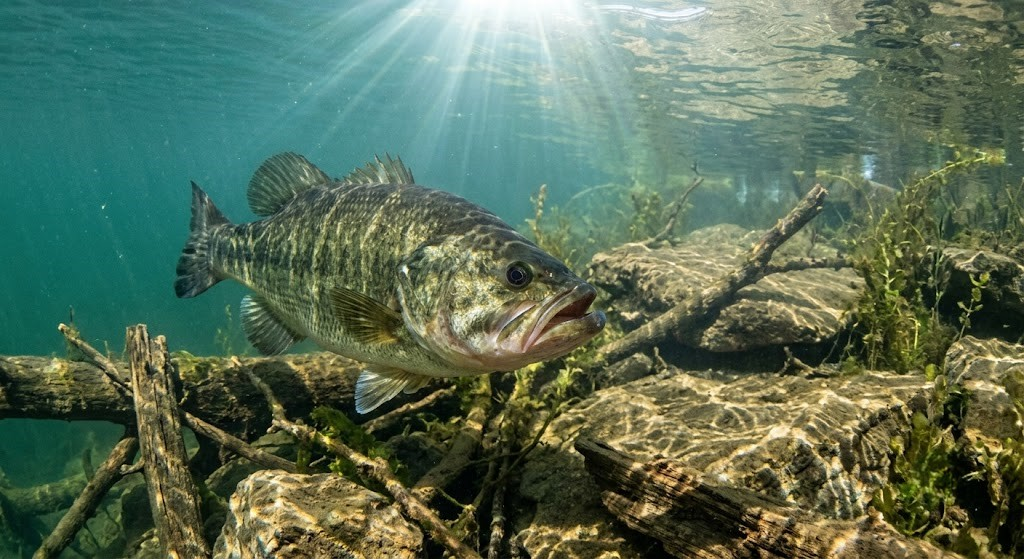
Low oxygen → stay near the bottom or structure: especially weeds, grass, and fallen wood
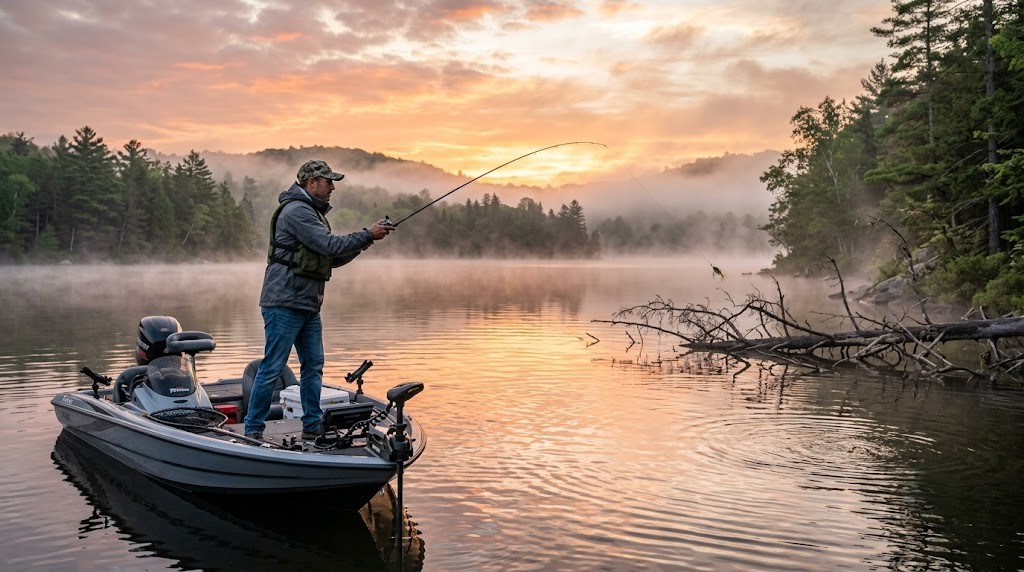
Clear feeding windows: early morning & evening are the main feeding times
Based on these changes, I have developed a very clear strategy in actual fishing:
Target active fish in the morning and evening, and “force” inactive fish to bite at noon.
I believe this directly determines lure selection: you need to cover the surface / mid-depth / bottom layers.
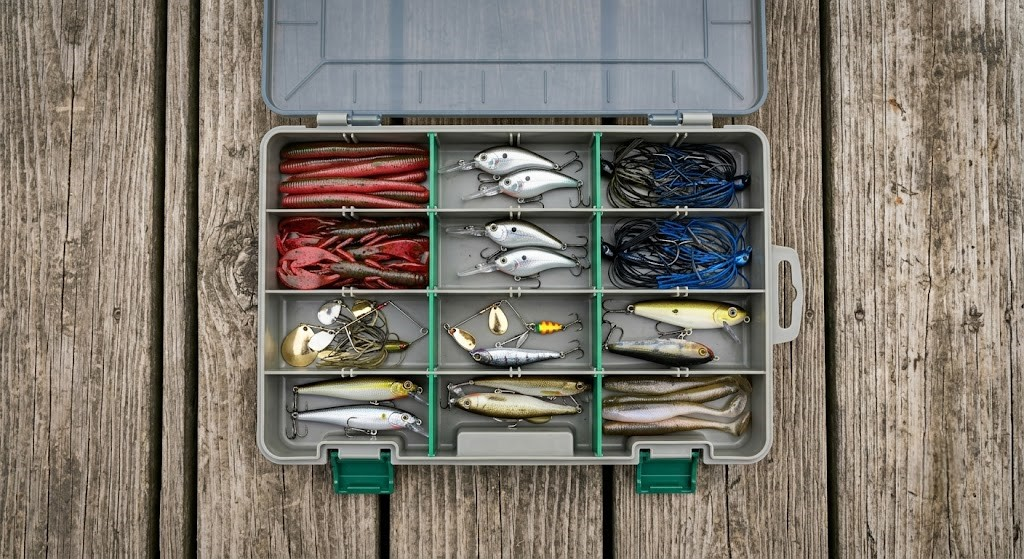
Top 5 Best Summer Bass Lures in Pond
Soft plastic worms (Senko / Stick Worm)
This is my most commonly used and most consistent choice in ponds.
- Why it works:
Mimics natural fall (like an injured baitfish)
Does not require complex techniques
Still attracts fish in high-pressure waters
- How to fish a soft plastic worm:
Weightless slow fall
Texas rig through weed areas
Focus on: shoreline, weed edges, shaded areas
When fish are not biting, I usually slow down the pace and let it “fall naturally.” Many bites occur during the fall.
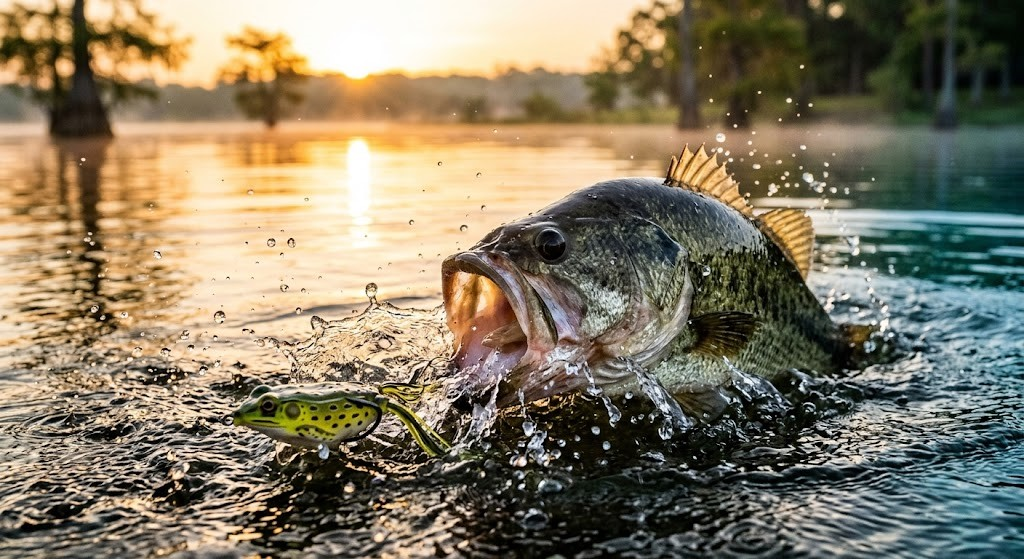
Frog lure
If the pond has vegetation, this is almost a must-have.
- Why it works:
Heavy vegetation in summer, bass hide underneath
Strong topwater aggression (especially morning/evening)
- How to fish a frog lure:
Slow drag or pause on top of vegetation
Mimic the stopping action of a real frog
One key point: do not set the hook immediately when you see a splash. Give the bass 0.5–1 second to fully take the bait, and the hook-up rate will increase significantly.
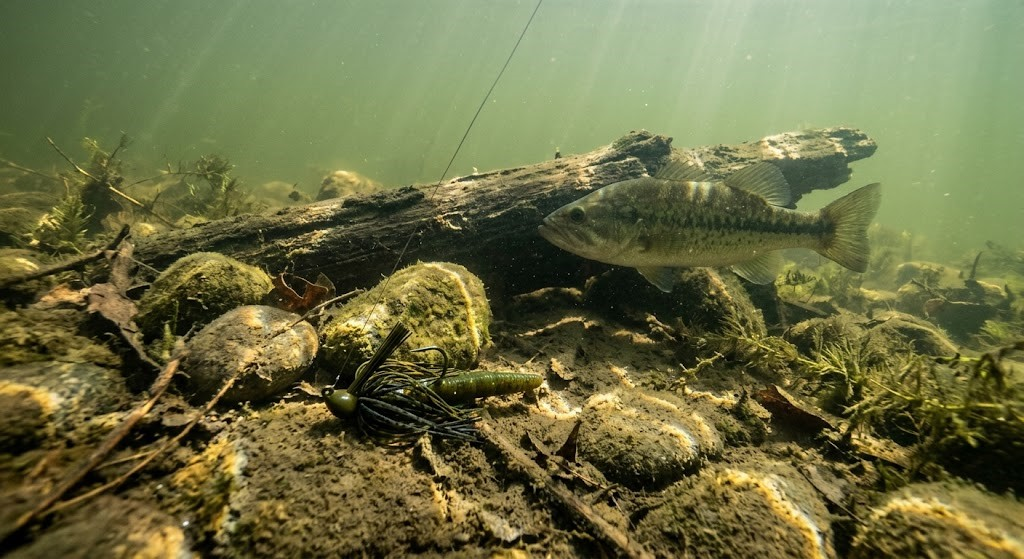
Jig
During the high-temperature midday period, most bass have moved to the bottom or are tight to structure. At this time, fast search lures become much less effective. This is when the jig comes into play.
- Why it works:
Precise targeting of structure (wood, rocks, bridge pilings)
Mimics crawfish / bottom-dwelling creatures
- How to fish a jig for bass:
Drag
Hop
Pause
This action imitates crawfish or bottom prey, which bass are still willing to eat when inactive.
At midday heat, I often find jigs more consistent than other lures.
Blade spinnerbait
When fish have some activity or the water is stained, the advantage of spinnerbaits becomes clear.
- Why it works:
Vibration + flash stimulate the lateral line
High efficiency in covering water
- How to fish a spinnerbait:
Steady retrieve
Cover along shorelines or structure
- Best use:
Stained water / windy conditions / locating active fish
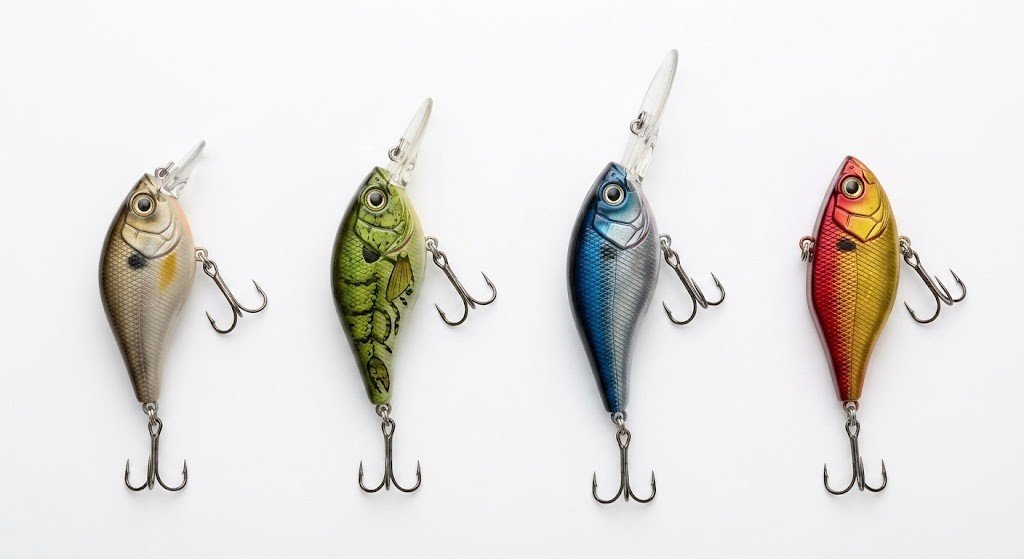
Squarebill crankbait
The core value of this lure is not “imitation,” but “reaction.”
- Why it works:
Quickly covers water
Deflects off structure to trigger reaction strikes
- How to fish a squarebill crankbait:
Target shorelines, wood, rocks
Intentionally collide with obstacles
I often use it to “find fish,” and once I get a reaction, I switch to soft plastics for more precise fishing.
Lures at Different Times for Bass in Pond
Many beginners frequently change lures but overlook the variable of time. In reality, time is often more important than the lure itself.
In the early morning and evening, bass are more willing to move up to feed. At this time, surface and mid-depth lures (such as frogs and spinnerbaits) have a higher success rate.
During the midday heat, you must accept one fact: fish will not actively chase lures. What you need to do is put the lure in front of them and move it as slowly as possible. This is why soft worms and jigs are more effective during this period.
If you fish at night, you can use black soft baits or vibrating spinnerbaits, relying on silhouette and vibration to attract bass.
Lure Color for Summer Bass in Pond
Many people overcomplicate color selection. In ponds, it can be simplified.
Clear water
In clear water, I prefer natural color lure, like watermelon or green pumpkin lure, which are closer to real prey.
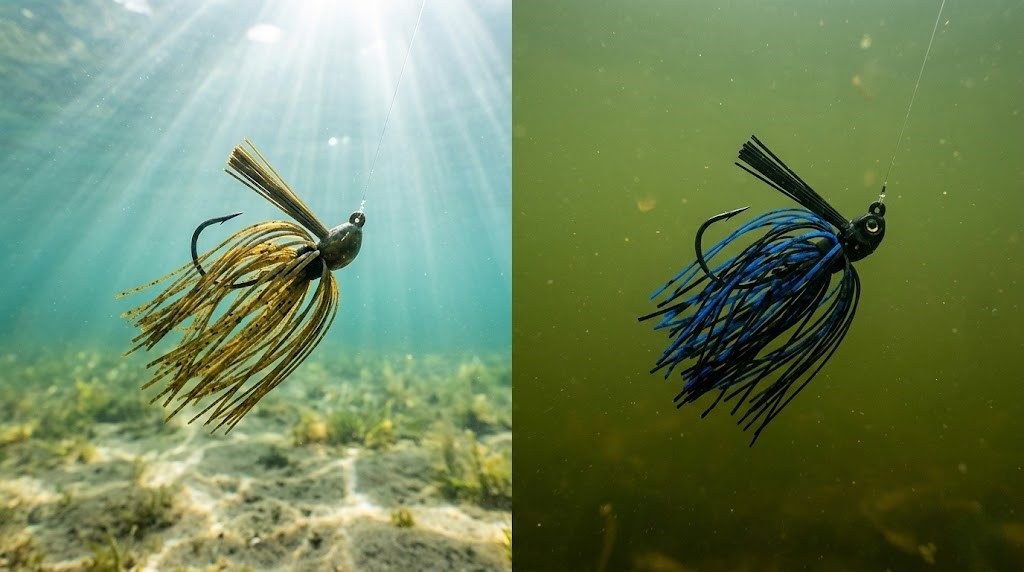
Stained water
In stained water or low-light conditions, I choose higher-contrast colors like black & blue or junebug, making it easier for fish to locate the target.
Essentially, the role of color is not to “attract,” but to “help fish see it more easily.”
Conclusion
If you only bring 3 lures to a summer pond, my choices are: Senko (weightless soft worm), Frog (vegetation areas), Jig (bottom fishing). These three can cover 90% of situations. If you agree, go try it!
FAQ
When is the best time to fish for pond bass in summer?
Early morning and evening are best; at noon, you need to fish deep water slowly.
What is the most versatile lure for pond bass?
Senko (soft worm) is the most consistent choice.
What is the easiest bass fishing lure for beginners to use?
Senko (stick worm) is the easiest and most reliable option.
It requires minimal technique. Just cast and let it fall naturally. Most bites happen during the fall.