

Blog
What Is The Best Fishing Lure in September?

Table of Contents
September is a magical month for anglers. As the sweltering summer heat finally begins to break, dropping water temperatures trigger a massive behavioral shift beneath the surface.
If you want to capitalize on the aggressive early fall feeding frenzy, adapting your tackle box is essential. Here is your ultimate guide to selecting the best fishing lure in September.
The Fall Transition Explained
Understanding why fish bite in September is just as important as knowing what they eat. The fall transition is entirely driven by dropping water temperatures and baitfish migration patterns.
Water Temperature Drops
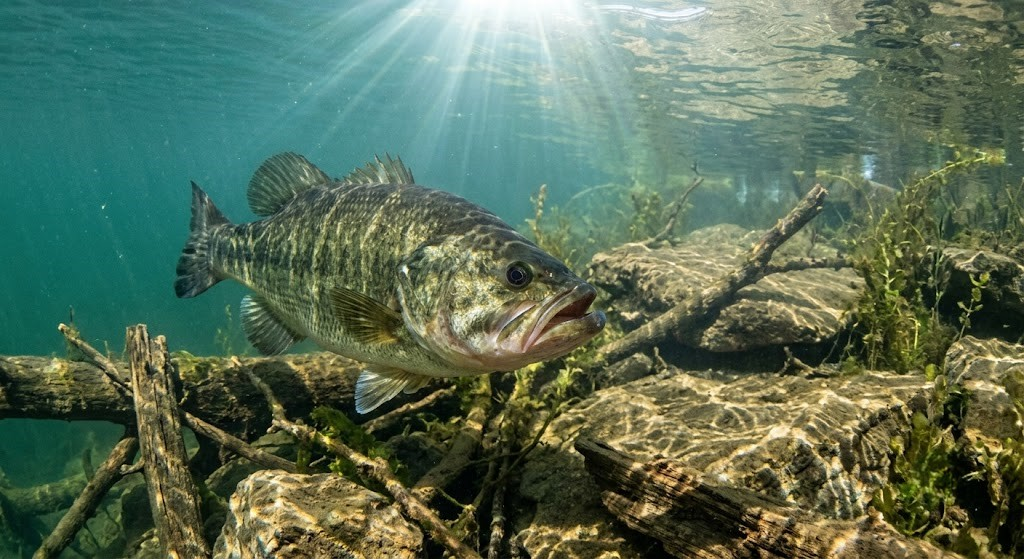
September is a key transition month. As the air cools, bass sense the falling water temperatures and begin to school up. Predatory fish enter a heavy feeding phase, constantly chasing massive schools of baitfish as they migrate from deep offshore structures into shallower creeks, coves, and flats.
Matching the Hatch
During this period, bass are highly aggressive but can be surprisingly selective about their forage.
They need to frantically pack on energy before the scarce winter months arrive.
Therefore, reaction lures that perfectly mimic their prey are highly susceptible to strikes, making the size and color of your baits absolutely crucial. Why?
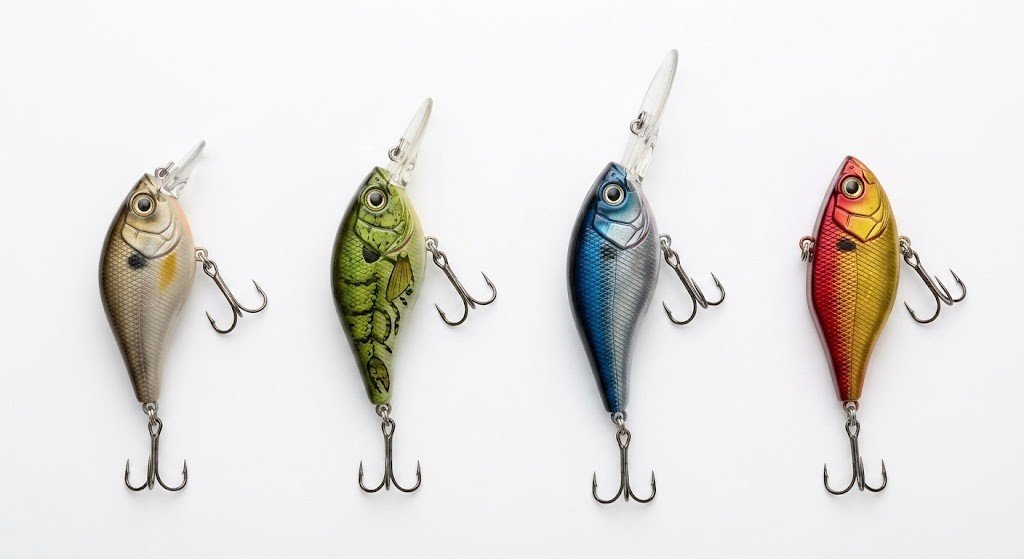
Early fall baitfish, such as shad and minnows, are still growing. You must choose compact fishing lures to imitate these young-of-the-year baitfish schooling in the shallows.
Downsizing to accurately match the size and color of these baitfish is vital for success.
Wondering how to choose the right colors? Read: What Color Fishing Lure is Best?
Best September Lures by Species
Different species require tailored fishing techniques. Below is a detailed breakdown of the top fall baits and their ideal gear combos to help you fish effectively.
Bass: Reaction Lures & Topwater Baits
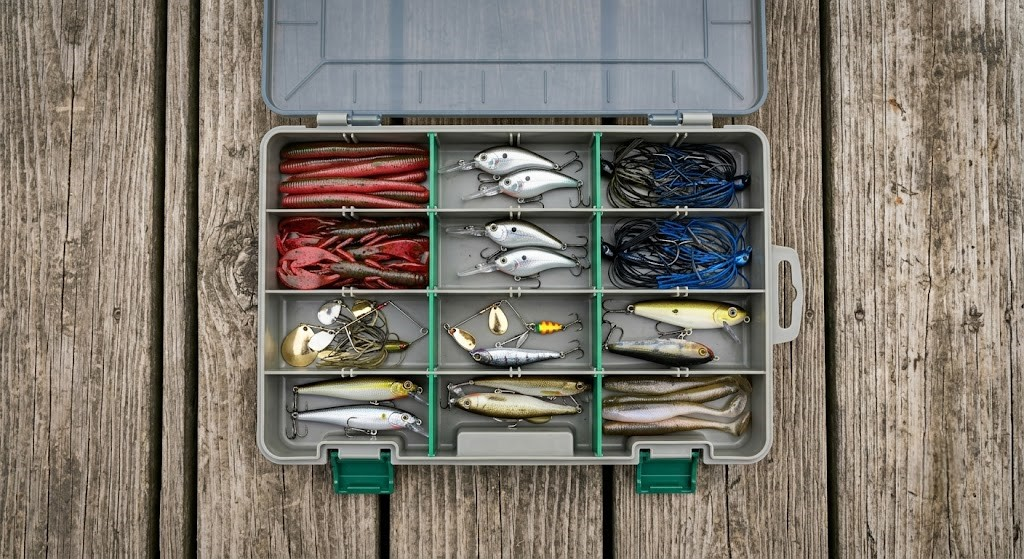
In September, spinnerbait lures for bass remain a top-tier choice due to their versatility in various water conditions.
They produce excellent flash and vibration, easily deflecting off heavy weed cover and laydowns without snagging.
Cast them around shallow structures and use a steady retrieve to get the blades thumping, which easily triggers reaction strikes from hungry bass.
Willow Blades: Provide maximum flash, perfect for clear water.
Colorado Blades: Deliver a harder thump and vibration, ideal for stained or muddy water.
Specs: 3/8 oz to 1/2 oz.
Colors: White, Chartreuse, and Bluegill patterns.
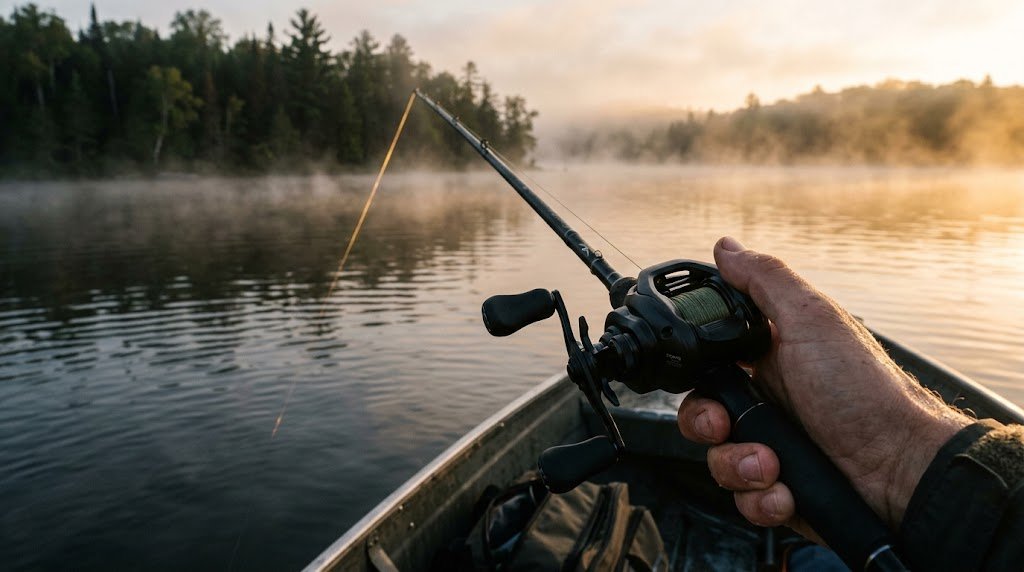
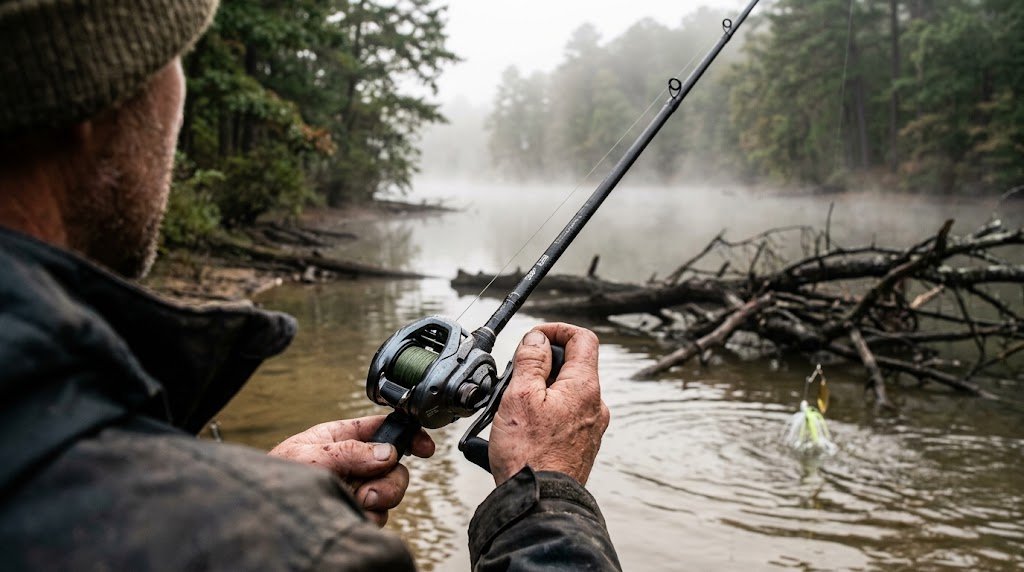
Gear Tip: A medium-heavy casting rod paired with a moderate gear ratio baitcast reel is perfect for wrestling bass out of heavy fall cover.
- Topwater Fishing Lures:
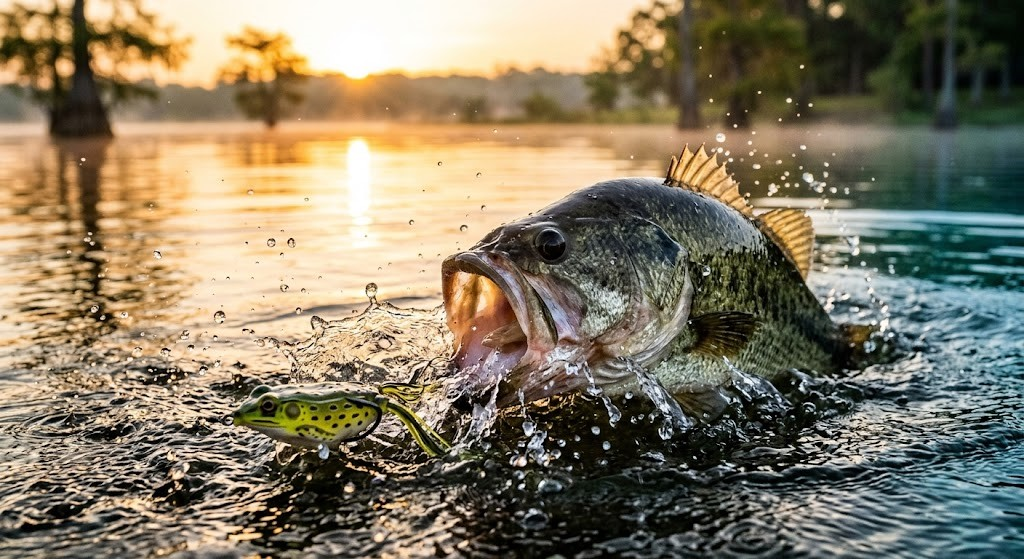
Early fall is prime time for topwater baits like ploppers and frog lures. September mornings, late evenings, or overcast days are the perfect windows for heart-stopping surface strikes.
Hollow-Body Frogs: In September, summer’s thick matted vegetation and lily pads are still prevalent. A hollow-body frog is completely weedless, allowing you to drag it directly over the slop and pause it in open shallow pockets where giant bass wait to ambush.
Walking Baits: In open water, over rocky points, or on clear reservoirs, a “walk-the-dog” style fishing lure perfectly mimics a dying or struggling baitfish on the surface. The rhythmic side-to-side action is irresistible to schooling bass.
Whopper Ploppers: When you need to cover water fast or fish in slightly choppy conditions, the loud, churning noise of a prop bait or buzzbait is unbeatable for drawing fish out of deeper cover.
Gear Tip: Topwater fishing—especially with frogs—demands a stiff, heavy-power casting rod paired with strong braided line (40-65 lbs). Braided line floats and offers zero stretch, which is absolutely essential for driving the hook home and dragging big fish out of heavy vegetation.
Crappie: Micro Jigs & Minnows
Early fall daytime activity for crappie shifts significantly as water temperatures drop. They leave their deep summer suspension patterns and follow baitfish into shallower brush piles and creek channels.
At this time, micro jigs and live minnows are incredibly effective. A good rule of thumb: the more finicky the bite, the smaller your jig profile should be. The key is to swim these light baits just above the schooling fish with a slow, steady retrieve.
Specs: 1/24 oz to 1/8 oz jig heads paired with small plastic tubes or curly tail grubs.
Colors: White, Chartreuse, or Pink.
Gear Tip: To cast these micro baits effectively, you must use a light or ultralight spinning combo with 4lb to 6lb fluorocarbon line.
Trout: Spinners & Spoons
In September, as water temperatures cool back into their optimal survival range (50-60°F), river and stream trout become highly active.
According to data from the USGS Water Data for the Nation, cooling stream flows trigger aggressive feeding behaviors. Typically, they will hold in riffles and runs, usually in water half a foot to four feet deep.
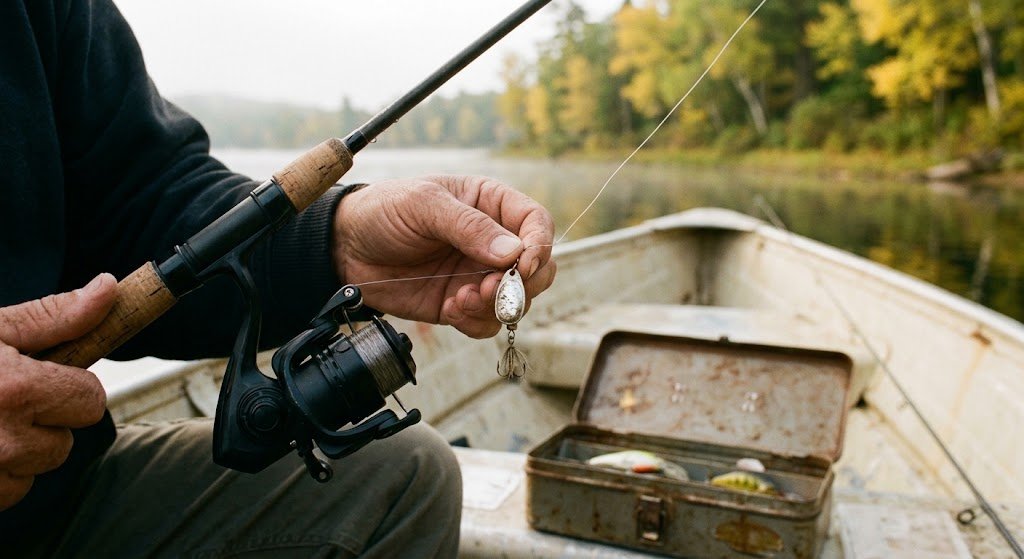
Best Baits: Inline spinners (like Rooster Tails) and small spoons. The flash perfectly mimics fleeing minnows.
Gear Tip: A fast-action spinning rod is ideal for accurate casts into tight stream pockets.
Pike: Large Swimbaits
Early fall northern pike are notoriously aggressive. Driven by hunger, these giant predators cruise shallow flats, weed lines, and gravel bars looking to feed heavily.
They will chase schools of baitfish into the shallows and ambush slow-moving prey hiding in thick vegetation.
September pike are looking for a big, high-protein meal, so you must size up your soft plastics and hard baits.
Best Fishing Lures: Large paddle-tail swimbaits (5 to 8 inches) and oversized jerkbaits.
Gear Tip: To handle both the heavy weight of the fishing lures and the sharp teeth of the pike, a heavy-power casting rod, a heavy-duty baitcasting reel, and a wire leader are mandatory.
September Fishing Pro Tips
Having the right fishing lure is only half the battle. How and where you fish them ultimately determines your success.
Target Shallow Water
Target shallow flats, backwaters, and windblown points.
In September, baitfish move into shallow water, and predatory fish follow right behind them.
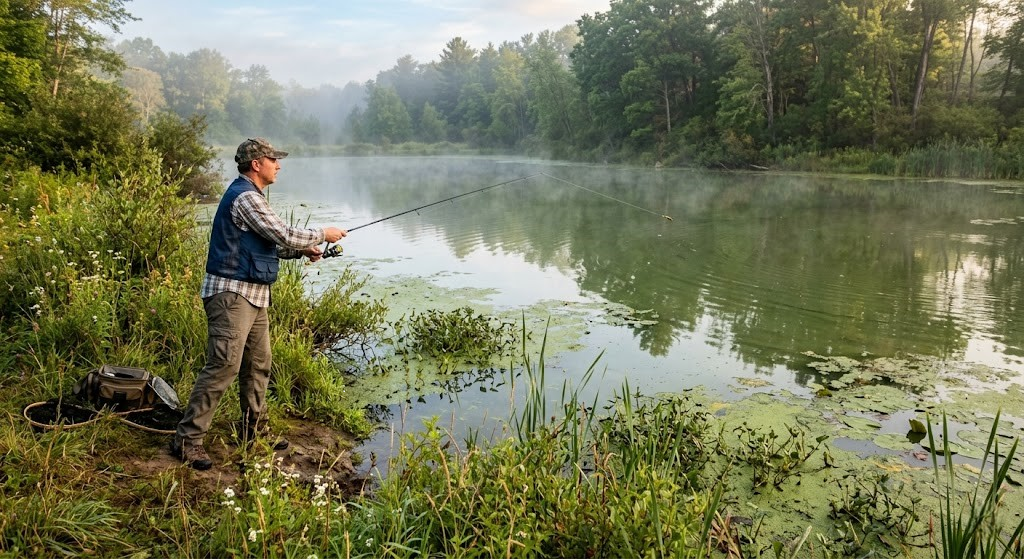
Focus your efforts on the backs of creek arms, shallow coves, and windblown banks.
The wind pushes plankton and baitfish against the shore, creating a natural feeding trough that attracts hungry bass and pike.
Adjust Retrieve Speeds
Stimulate reaction bites by adjusting your retrieve speeds—don’t be afraid to fish fast.
Burning a spinnerbait or a square bill crankbait through the water column forces predators to make a split-second decision.
Bouncing your fishing lure off rocks, stumps, or grass edges causes erratic deflections, triggering vicious reaction strikes.
Handling Cold Fronts
September is famous for sudden fall cold fronts. When the temperature drops rapidly and skies turn high and blue, fish often get lockjaw. When this happens, you need to slow down.
Ditch the heavy casting gear and switch to a medium-light spinning rod for finesse fishing.
When active feeding stops, methodically dragging a Ned Rig, Drop Shot, or wacky-rigged soft plastic along the bottom can save the day.
(Want to understand the difference between these styles? Read: Finesse vs. Power Fishing: The Ultimate Guide for Every Water Condition
Conclusion
Ready to hit the water this fall? Ensure your tackle box is locked, loaded, and fully stocked. Whether you are throwing micro jigs on a sensitive spinning reel or wrestling giant pike with a heavy casting rod combo, having reliable, high-quality gear is the ultimate secret to September fishing success.
FAQ
Which lure catches the most fish?
A jig with a soft plastic is the most versatile for all species. For bass, a Texas-rigged worm is the top producer.
What time of year is best for lure fishing?
Spring and Fall. Fish aggressively strike fishing lures during the spring spawn and the fall feeding frenzy before winter.



One thought on “What Is The Best Fishing Lure in September?”