

Blog
Finesse vs. Power Fishing: The Ultimate Guide for Every Water Condition

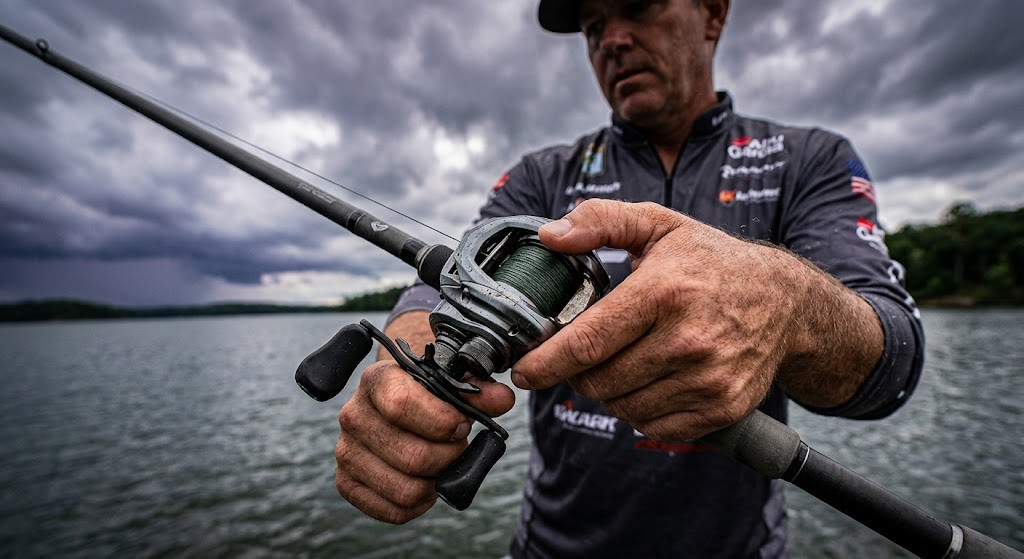
Table of Contents
Whether you are a beginner just getting into lure fishing or an experienced bass angler, mastering the differences between “Finesse Fishing” and “Power Fishing” is the key to significantly increasing your strike rate. These two major techniques differ drastically not only in your choice of fishing lures but also in how they adapt to weather, water clarity, and fishing tackle (such as choosing between a high-quality spinning rod and reel combo versus a baitcaster). This article will take you deep into these two core strategies, helping you dominate the water on your next fishing trip.
What is Finesse Fishing?
Finesse fishing is a subtle, slow, and highly patient technique. It emphasizes lightweight tackle, highly realistic fishing lure presentations, and delicate movements. The primary goal is to trigger a fish’s natural instinct to bite, especially when they are highly pressured, easily spooked, or simply not actively feeding.
Generally, anglers use smaller, enticing baits that do not create excessive noise or vibration, such as soft plastic worms. Because they look completely non-threatening, many cautious fish in high-pressure waters will let their guard down and strike.
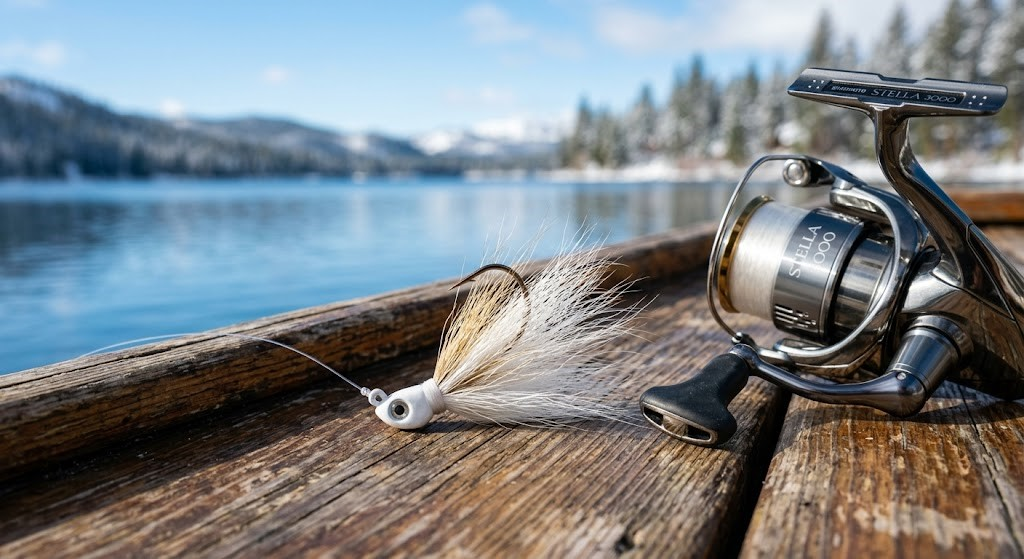
This fishing style typically requires a highly sensitive spinning combo paired with thin-diameter fluorocarbon line. This setup ensures that your lightweight finesse baits can sink naturally while still perfectly transmitting the faintest bite signals to your hands.
What is Power Fishing?
Power fishing is a highly aggressive and efficient strategy. It relies on larger, louder fishing lures that displace water and create massive amounts of vibration and sound, mimicking injured prey or fleeing baitfish. Hungry, aggressive, or highly active fish are quick to chase down these types of baits.
Power fishing utilizes heavy vibration, noise, and flash—found in rattling crankbaits and chatterbaits—to help you quickly cover water, search a specific area, and trigger reaction strikes from active bass. With power fishing, you can break down a body of water much faster and more efficiently.
This technique generally requires a heavy-duty baitcaster reel paired with heavy braided line. Mastering baitcasting mechanics to prevent a “backlash” (bird’s nest) when casting heavy, wind-resistant lures is the absolute foundation of efficient power fishing.
Best Fishing Times: When to Use Which Technique?
According to tournament data from authoritative fishing platforms like Bassmaster, alongside the experience of professional anglers, weather and water clarity are the core elements that dictate your strategy.
When to Use Finesse Fishing
Post-Storm / Cold Fronts
As the temperature slowly recovers after a storm, the barometric pressure rises rapidly, causing the fish to become highly lethargic. They tend to retreat to deep water or bury themselves in heavy cover, and their appetite plummets. In this scenario, a slow-paced finesse approach is the only reliable solution.
Deep Water
Finesse fishing is frequently utilized in deep water. When high pressure affects the shallows, fish prefer the stable conditions of deeper zones. Finesse rigs can get straight to the bottom and keep the bait in a localized strike zone for extended periods.
Winter
During the winter, water temperatures drop, causing bass to become extremely sluggish with a low metabolic rate and minimal appetite. Throwing loud, aggressive crankbait fishing lures is pointless right now; you must put a tiny, subtle bait right in front of the fish’s face.
Ultra-Clear Water
In crystal-clear water, fish hunt primarily by sight and can see baitfish from a distance. The swinging treble hooks, metal wireframes, and blades of power fishing lures can easily spook them. Instead, a delicate finesse soft plastic tied to invisible fluorocarbon line looks exactly like a real, tiny organism.
When to Use Power Fishing
Pre-Storm / Low Pressure
Right before a storm, winds pick up, light levels drop, temperatures fall, and the weather looks ominous. This sends a biological signal to the fish to feed heavily while they still can. Due to the dropping barometric pressure, they usually cruise the upper water column and become highly active. Power fishing will trigger violent strikes from these aggressive fish.
A cold front just rolled through. What is your first move?
Spring, Summer, and Fall
In the spring, fish need to pack on energy for the spawn. In the summer, their metabolism is at its peak, driving a massive appetite. In the fall, they gorge themselves to store fat for the long winter. Therefore, outside of the dead of winter, these three seasons are prime time to use power fishing tactics to rapidly cover water and catch fish back-to-back.
Muddy or Stained Water
In muddy water, fish cannot rely on their vision to hunt (their sight radius may drop to just 4-12 inches). Because visibility is poor, they must rely on their lateral lines to hunt via sound and vibration.
Best Fishing Lures for Each Technique
Must-Have Finesse Fishing Lures
You can opt for a 1/4 oz or smaller Senko soft plastic rigged on a wacky rig, vertically jigging it in 10-15 feet of open water. Choose natural, muted colors for clear water, and high-contrast or reddish tones for muddy water—avoid anything too flashy.
Jigs (Especially the Hair Jig)
In finesse fishing, lightweight finesse jigs are absolutely deadly. This is especially true for the Hair Jig (Bucktail Jig) made with natural hair. In cold water, even without deliberate rod twitches, the underwater current will give the hair a subtle, incredibly natural breathing effect that perfectly mimics a shivering baitfish on the bottom. Please ensure the Hair Jig remains in its perfectly natural, pristine state; do not over-work or aggressively pull it in the water, as this will destroy its flawless, lifelike presentation.
Drop Shotting
This is the ultimate weapon for dealing with suspended fish and highly pressured deep-water bass. The weight is tied to the very bottom of the line, with the hook and soft plastic tied a set distance above it. This rig keeps the bait suspended off the bottom, shimmering delicately right in the fish’s direct line of sight.
Ned Rig
The Ned rig is an ultra-compact setup that pairs a mushroom-style jig head with a tiny (usually 2-3 inch) floating soft plastic. The bait itself doesn’t have an inherent swimming action; it just stands up on the bottom. With slight drags and hops, even a bass with zero appetite won’t be able to resist slurping it up.
Wacky Rig
A personal favorite finesse setup. The wacky rig is incredibly simple: just hook a straight-tail soft plastic worm (like a stick bait) right through the middle. As it sinks, the two ends flutter naturally, creating a mesmerizing inchworm-like swimming action. It is completely silent and incredibly natural—the perfect tool to conquer high-pressure waters.
Must-Have Power Fishing Lures
Whopper Plopper
The Whopper Plopper is an aggressive topwater lure. With a steady retrieve or slight rod twitches, the prop-tail churns the water, emitting a loud “plop-plop-plop” sound. This breaks the monotony of a straight retrieve and keeps the bait highly active. Even when dragged over just a few inches of shallow water, it can call fish up from the deep open water to strike.
Lipless crankbaits cast like a bullet and can cover various depths depending on your retrieve speed. However, they aren’t great for thick, matted vegetation. A great tactic is to quickly rip the lipless crankbait out of the grass the second you feel it snag. This sudden acceleration and escaping motion often triggers a vicious reaction strike. You can also pause your retrieve, let the bait flutter down, and then burn it—this erratic rhythm is highly effective.
Chatterbait Lure (Bladed Swim Jig)
A chatterbait fishing lure features a flat metal blade at the front that produces violent vibrations and erratic flashes. Paired with a soft plastic trailer, it perfectly mimics a fleeing baitfish. Along the edges of weed lines or in muddy water, this is the premier choice for hunting trophy bass.
Conclusion: Become a Versatile Angler
Power fishing and finesse fishing are not opposing forces; they are perfectly complementary systems. The best anglers never rely strictly on just one.
The smartest strategy is to use power fishing (baitcaster reels + high-vibration lures) to quickly cover water and locate the schools of fish. Once the bite slows down or the weather shifts, immediately switch over to finesse fishing (spinning combos + natural soft plastics) to “mop up” the remaining, cautious fish. Check your tackle box, ensure you have both of these distinct weapon sets ready, and prepare for a massive haul on your next trip!
FAQ
Finesse Fishing vs. Power Fishing: What rods and reels should be used for each?
Finesse Fishing: Spinning reel + Medium-Light/Light (ML/L) rod; suitable for casting lightweight lures and offers high sensitivity to bites.
Power Fishing: Baitcasting reel + Medium-Heavy/Heavy (MH/H) rod; offers superior fish-handling control and is suitable for rapid retrieval.
Finesse Fishing vs. Power Fishing: Which should a beginner learn first?
It is recommended to start with finesse fishing (spinning reel + soft baits), as it has a lower barrier to entry for casting and makes it easier to hook fish.
Once you have built confidence, you can advance to learning baitcasting techniques—specifically how to prevent backlash—and power fishing methods.
Can baitcasting reels be used for finesse fishing?
Standard baitcasting reels are highly prone to backlash when casting lightweight lures. Unless you are using a specialized BFS (Bait Finesse System) reel, spinning reels are the recommended choice for finesse fishing.
10 thoughts on “Finesse vs. Power Fishing: The Ultimate Guide for Every Water Condition”