Blog
How to Use a Spinning Reel Like a Pro: Parts, Casting & Anti Tangles

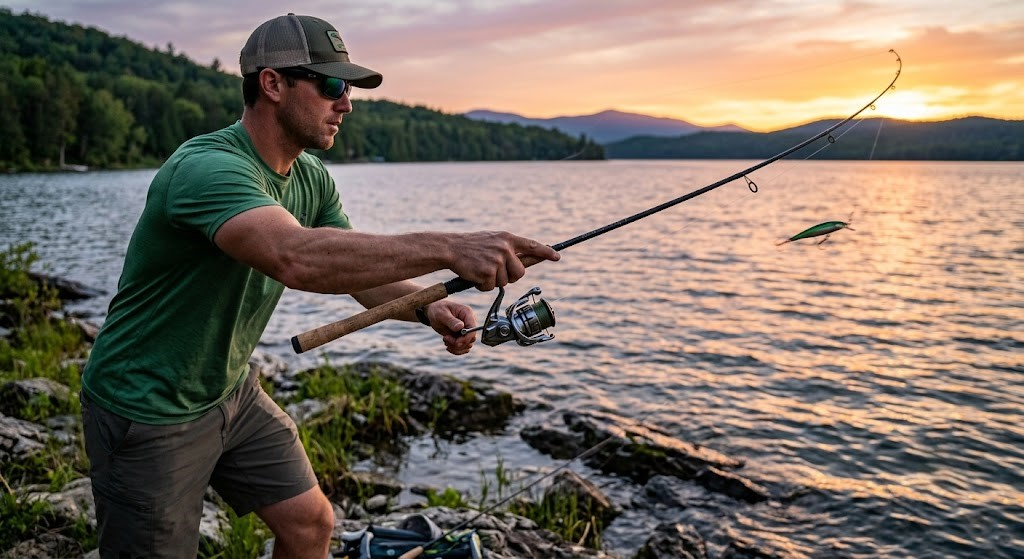
Table of Contents
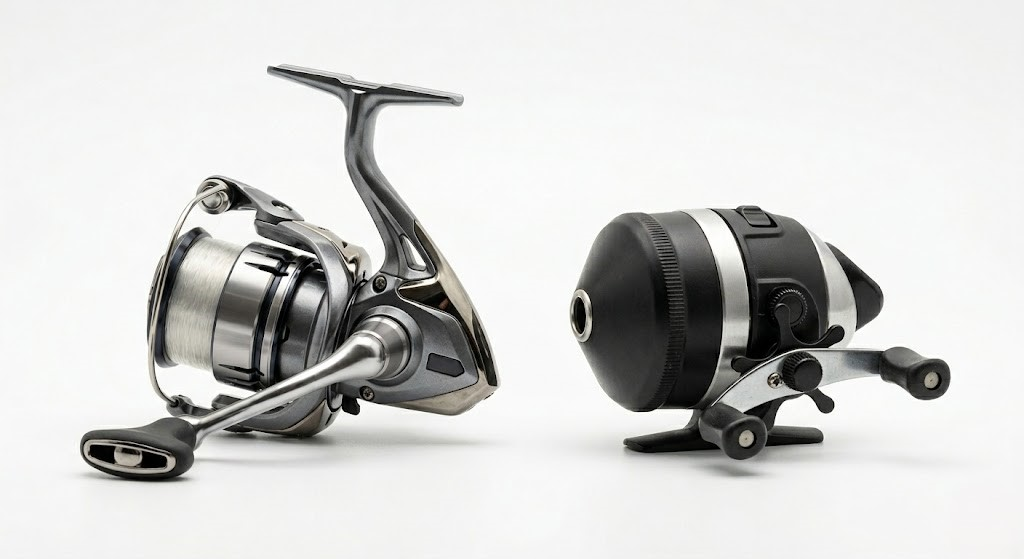
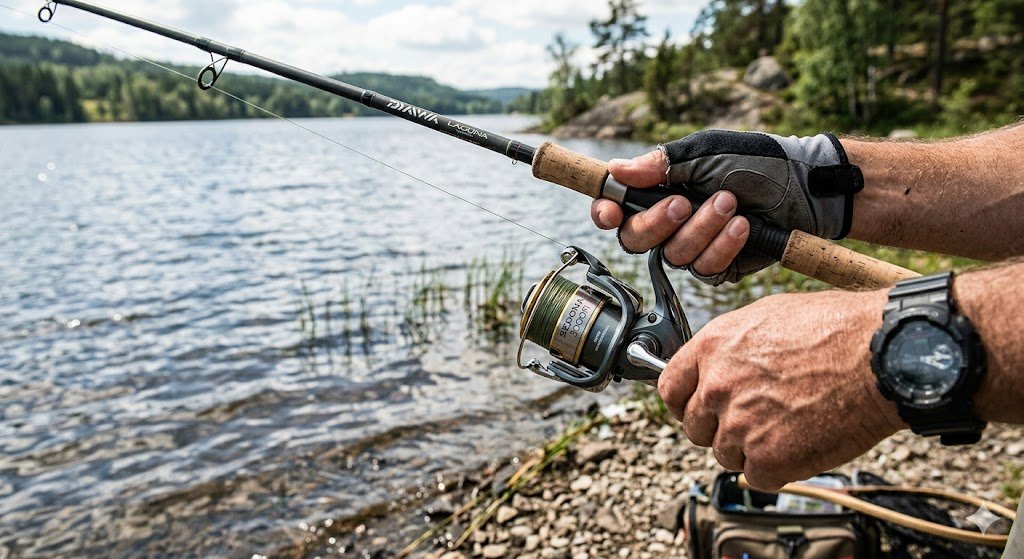
The spinning reel is the most common and beginner-friendly reel used in lure fishing. Its open spool design makes it excellent for casting lightweight lures and minimizes the risk of severe line tangles (bird’s nests). Whether you are a beginner just getting into lure fishing or an experienced angler looking to refine your casting skills, understanding the internal workings and operational details of your gear is crucial.
This article will comprehensively break down the core structure of a spinning reel, teach you step-by-step how to correctly spool and cast, and share anti-tangle secrets used by the pros.
Spinning Reel Parts Explained: Drag, Spool, Bail & More
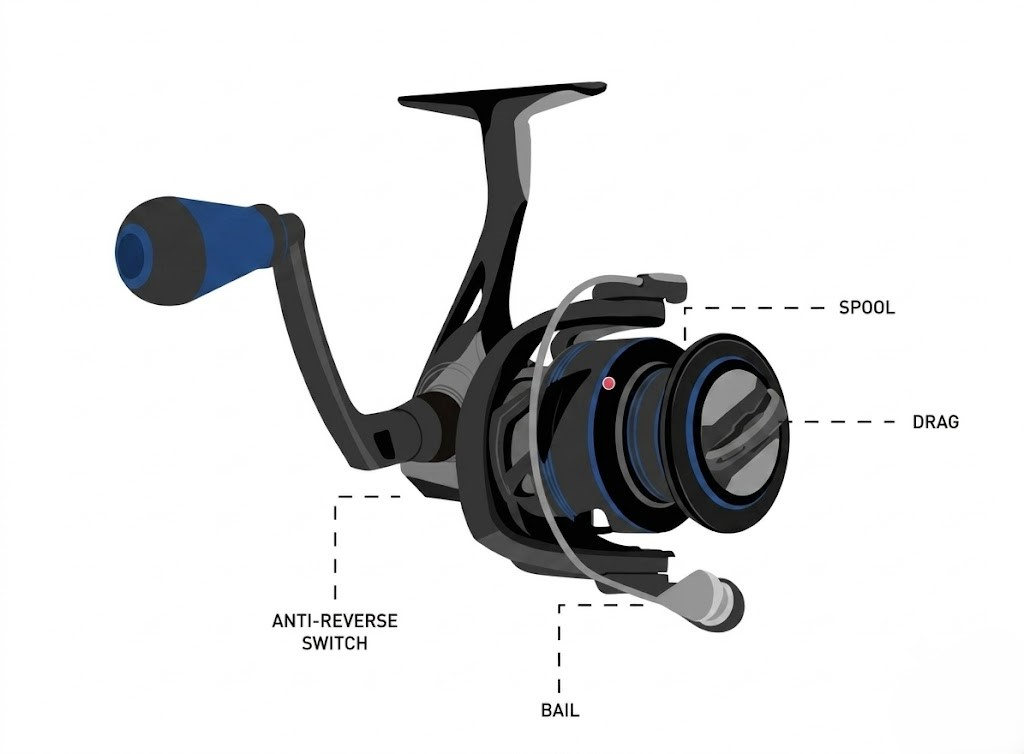
To master your gear, you first need to understand its five core components: drag, spool, bail, handle, and anti-reverse switch.
Fishing Reel Drag
Drag System: The fishing reel drag controls the resistance when the line is pulled, preventing the line from breaking or the fish from escaping. Usually located on top of the spool (front drag), it “gives line” when a fish fights too hard. Think of it as a safety fuse.
Loose Drag: The fish controls you easily, but the line is less likely to break.
Tight Drag: Increases line tension, making it easier to reel the fish in quickly.
Spool
Located directly below the drag adjustment knob, this is where the fishing line is wrapped. Line leaves from here and is retrieved back here. The smoother your fishing reel spools are, the further you can cast.
Bail
The fishing reel bail is the curved wire that determines whether the line is released or retrieved. Additionally, it ensures the line stays straight as it feeds out and wraps back onto the spool; otherwise, the line loses its direction and tangles.
Open: Ready to cast.
Closed: Ready to retrieve.
Handle
The handle for reel drives the entire winding mechanism. A longer handle provides more leverage, while the grip material (EVA, rubber, or metal) affects comfort and slip resistance. High-end models usually support switching between left and right-hand retrieve.
Anti-reverse Switch
Located at the bottom of the reel, this controls the internal locking system.
Normal state: Turning the handle retrieves the line; letting go stops the handle from spinning backward.
Anti-Reverse On (Open): The handle can spin freely in both directions. Some traditional techniques use this feature to play a fish.
Spinning Reel Sizes and Gear Ratios
When buying or matching reels to your spinning rods, understanding the specs is crucial: reel size and gear ratio.
Spinning Reel Sizes
1000 – 2000: Suitable for ultra-light setups, targeting stream trout, chub, or small panfish.
2500 – 3000: The most versatile size, perfect for a standard spinning fishing rod targeting bass, mandarin fish, and most freshwater lure scenarios.
4000 and above: Best for heavy freshwater or saltwater distance casting.
Download the free Helmtackle Reel Sizing Blueprint to your phone. Keep it handy for your next gear run and never guess your setup again. Drop your email below, and we’ll send the Blueprint straight to your inbox!
Gear Ratio
This represents how many times the spool rotates for one full turn of the handle. For example, a 6.2:1 ratio means one handle crank yields 6.2 wraps of line. High ratios (6.2:1 or higher) are great for fast lure retrieval, while low ratios (5.2:1) require less effort for slow-moving presentations.
How to Spool a Spinning Reel
If you are wondering “how do you spool a spinning reel correctly?”, following the right process will significantly reduce tangles, line twist, and poor casting performance. Follow these simple steps to spool spinning reel setups evenly.
Step 1 Prepare the Reel
Assemble your rod, open the bail, and thread the fishing line through the rod’s first guide.
Step 2 Match the Spool Direction
Match the spool direction: Place the new filler spool flat with the label facing up. Ensure the line comes off the filler spool in the same direction it goes onto the reel spool to minimize line twist.
Step 3 Attach Line to the Spool
Attach line to the spool: Wrap the line around the arbor and secure it using a standard fishing reel spool knot (like the Arbor Knot). Close the bail. Pinch the line with your fingers or pull it taut near the rod tip to maintain tension. Ensure the line wraps evenly and tightly as you reel. (If you aren’t familiar with knots, refer to the Arbor Knot tutorials on TakeMeFishing).
Step 4 Stop Before Overfilling
Fill the spool until it is almost full, leaving about a 3mm (1/8-inch) gap from the edge. Overfilling causes massive tangles and loose coils.
Step 5 Cut the Tag End
Snip off the excess tag end, check that the line lays flat, and ensure the bail closes properly. Your reel is now ready for action.
Pro Tip:
Even when spooled correctly, monofilament or fluorocarbon line has “memory,” which can cause coils to spring off the spool when the bail is opened.
To fix this, remove the spool and soak it in warm water (the hottest water from your tap) for a while. Just make sure your line is waterproof!
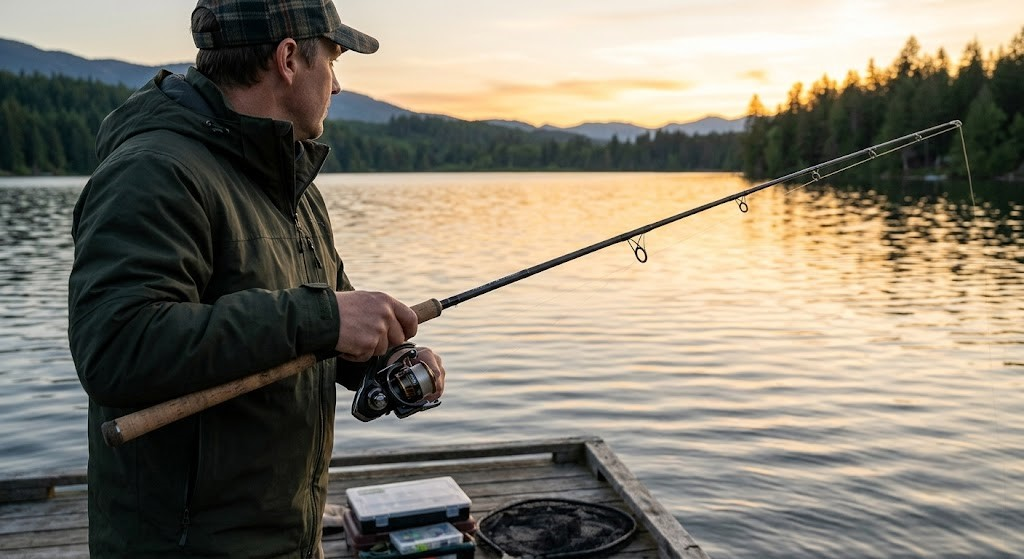
How to Cast with Spinning Reel
Adjust and Prepare
Verify your line, spool, and drag are set correctly.
Ensure the spool is not overfilled (keep that 3mm gap).
Select the right lure weight for your target fish and setup.
Reel the lure in so it hangs about 15–30 cm (6–12 inches) from the rod tip to load the rod properly.
Open the Bail
Hold the rod with the reel facing downward.
With your other hand, open the bail.
Use your index finger to lightly pinch the line against the rod to prevent it from slipping out early. This step is critical; without your finger securing the line, the lure will drop immediately.
Backcast
Swing the rod backward to give the lure momentum. Keep it smooth and let the rod’s flex do the work. Overpowering the cast reduces accuracy and increases tangle risks.
Forward Cast & Release
Whip the rod forward toward your target quickly but smoothly.
When the rod reaches the 10 o’clock to 11 o’clock position, release your index finger. The line will release, and the lure will fly toward the target.
Control the Landing & Retrieve
As the lure nears the target, lightly feather the spool edge with your finger to stop the line.
Once the fishing lure hits the water, close the bail, reel in the slack gently, and begin your normal retrieve.
Pro Tips to Prevent Line Tangles
A common pain point for beginners is the dreaded “bird’s nest.” Remember this golden formula: Tension + Less (don’t overfill) + Direction + Control (manual operation) = No tangles.
Manually Close the Bail
Although most reels auto-close the bail when you crank the handle, doing it manually by hand after every cast keeps the line coils tight.
Don’t Reel Against the Drag
If a fish is pulling line, never reel against the drag. Loosen the drag or back-reel to prevent the line from breaking or twisting.
Change Line Promptly
If line twist or memory severely impacts your casting distance, respool with fresh line so you don’t lose a trophy fish.
Retrieve Under Tension
Always reel in line with tension. If the line goes slack, pull it tight with your fingers before reeling.
Gear Matching
Light lure + heavy line = More tangles. Small spool + heavy line = Poor casting distance.
Essential Spinning Reel Maintenance
Simple maintenance is required for a long-lasting, smooth reel:
Freshwater Rinse
If fishing in saltwater or muddy water, gently rinse the entire reel with fresh water (use a light stream, not high pressure) to prevent salt crystals from corroding the gears.
Loosen the Drag
When storing the reel, always loosen the drag knob completely. This protects the internal drag washers from losing their elasticity.
Conclusion
Mastering the structure and correct operation of a spinning reel is your first step to advancing in lure fishing. Practice your casting timing and build the habit of manually closing the bail, and you will say goodbye to tangles and focus entirely on the thrill of fighting the fish.
Ready to update your arsenal? Choose the best lures for your setup and get ready for your next big catch!
FAQ
Which hand should I reel with?
For the best control, hold the rod with your dominant hand and reel with your non-dominant hand. If you are right-handed, hold the rod in your right hand and crank the reel with your left.
1/8-inch gap on the spool edge and always closing the bail manually with your hand after a cast.
Can I use a freshwater spinning reel in saltwater?
You can, but you must be careful. If your reel is not fully sealed against saltwater, you need to rinse it gently with fresh water immediately after your trip.