Blog
The Best Fishing Rod for Saltwater Striped Bass

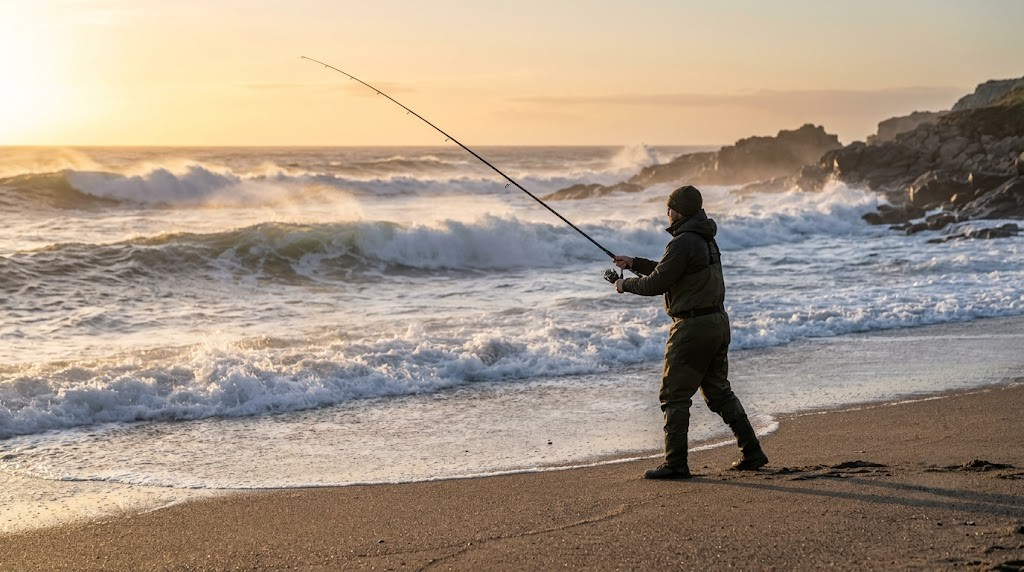
Table of Contents
Targeting saltwater striped bass is one of the most thrilling experiences for any East Coast angler. These aggressive, hard-fighting monsters demand fishing gear that can handle brutal saltwater environments, heavy winds, and powerful runs. But with so many options on the market, finding the perfect setup can be overwhelming.
Whether you are casting into the crashing surf or dropping lines from a boat, choosing the right fishing rod and reel combo is the difference between landing a trophy fish and going home empty-handed. In this comprehensive guide, we will break down exactly what specifications you need and why a high-quality spinning rod and reel combo (complete with perfectly matched lures and fishing line) is the ultimate weapon for your saltwater tackle box.
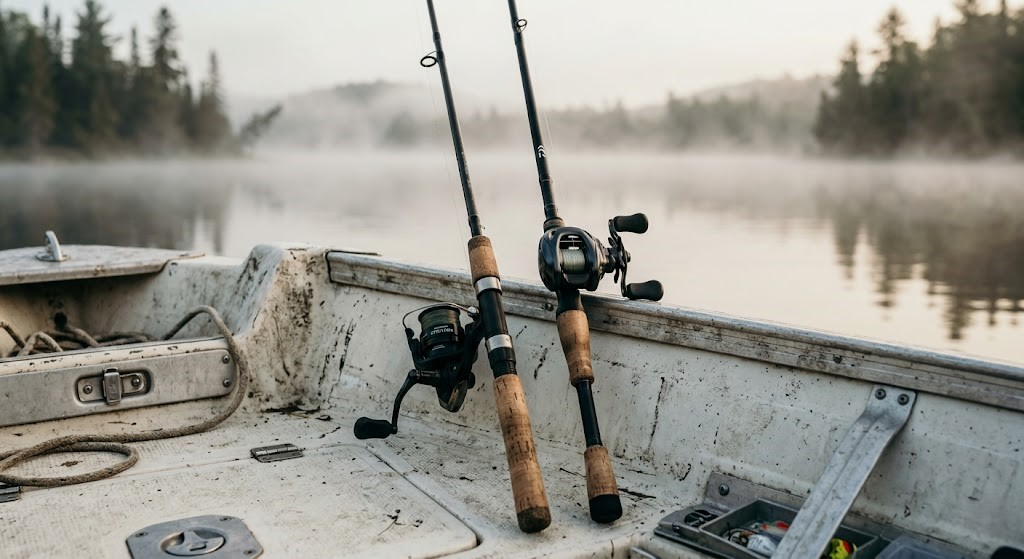
Spinning Rod vs. Baitcasting Rod: Which is Right for Stripers?
When building your striped bass fishing setup, the first major decision is choosing between a spinning rod and a casting rod.
The Versatility of a Saltwater Spinning Rod
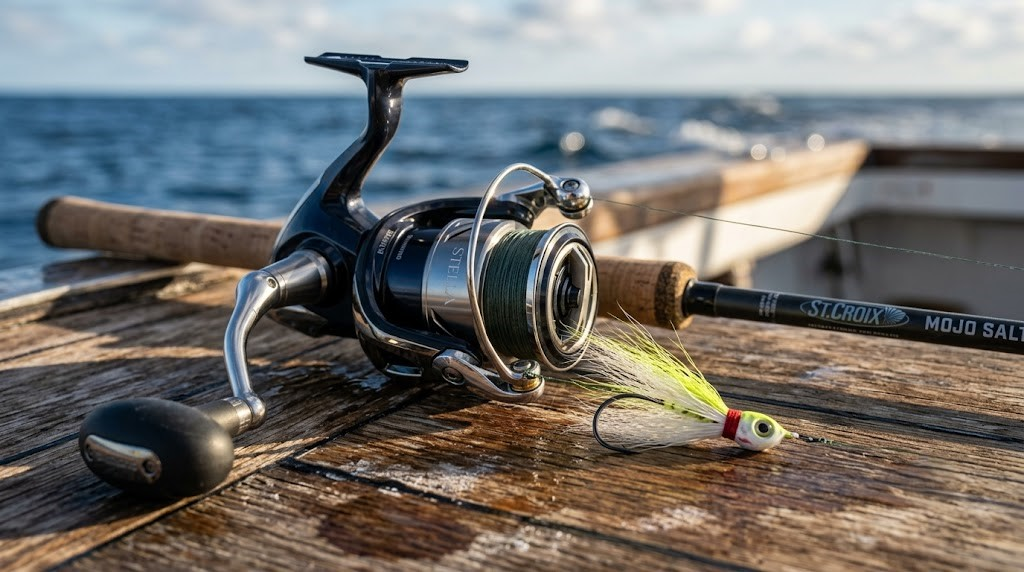
A spinning reel offers effortless lure control, making it incredibly easy to master for both beginner and experienced anglers alike.
Many fishing enthusiasts prefer using a spinning rod for saltwater fishing because it can launch lighter fishing lures far into the distant surf zone. Spinning rods are also highly versatile for targeting redfish, sea trout, and even massive species like tarpon, making them the ideal choice for saltwater anglers.
In a surfcasting scenario with strong coastal winds, a spinning rod effectively prevents backlash (bird’s nests), providing a smoother and longer casting experience. It is perfectly suited for beginners or anglers battling harsh weather conditions.
The Power and Precision of a Baitcasting Rod
Baitcaster rods typically feature more line guides (8 to 12) and a low-profile design, keeping the fishing line close to the rod blank to maximize winching power. They excel when you need to pinpoint cast lures directly under docks or into heavy grass cover.
However, casting heavy 2 to 4 oz lures directly into a strong ocean breeze with a baitcaster requires highly advanced thumb-braking techniques. For hassle-free casting distance and rock-solid reliability in harsh coastal weather, a ready-to-fish spinning combo—requiring no tedious mechanical adjustments—remains the superior choice.
Key Specifications for a Saltwater Striped Bass Fishing Rod
According to authoritative fishing resources like On The Water Magazine, selecting the right rod length and power is critical for matching your specific fishing environment.
Rod Length: Surfcasting vs. Boat Fishing
Surfcasting
To reach the feeding zones behind the breakers, you need sufficient leverage. Standard freshwater bass rods are simply too short. For beach fishing, you should look for a surf spinning rod between 9 and 11 feet in length.
A longer rod blank (typically crafted from durable graphite or composite materials) generates higher tip speed, allowing you to launch heavy lures and sinkers maximum distances while keeping your line elevated above the tumbling waves.
Boat Fishing
If you are fishing from a boat or kayak, a 10-foot surfcasting rod will feel clumsy and unnecessary. Instead, opting for a standard 7 to 8-foot spinning rod is much more appropriate.
This length provides perfect maneuverability in tight spaces while still retaining enough backbone to winch massive striped bass away from boat motors or underwater structures.
Power and Action: Handling the East Coast Monsters
Rod Action
Rod action describes where the fishing rod bends. A Moderate-Fast action is generally the best all-around choice for targeting striped bass.
Fast Action: A fast action rod is relatively stiff with a lighter tip, bending only in the top third of the blank during a cast or under light pressure. It requires skilled casting techniques and is excellent for light or ultra-light rigs, such as small topwater popper and glide bait.
Moderate Action: A moderate action rod bends primarily in the top half of the blank under pressure. It is highly suitable for casting larger soft plastics, swimbait fishing lures, and heavier fishing lures because the majority of the rod supports the lure’s weight during the cast. It’s a great transitional rod from casting techniques to vertical jigging.
Slow Action: A slow action rod features the most pronounced parabolic curve, bending all the way from the tip to the butt section under a heavy load. It is perfectly suited for vertical jigging and trolling, as the deep bend prevents hook pulls. Using this for vertical jigs or tube trolling yields excellent results.
Rod Power
Striped bass are heavy, incredibly powerful fish. You need a rod with enough “backbone” to wrestle them in strong ocean currents.
A Medium-Heavy (MH) to Heavy (H) power rating is the gold standard. It provides the lifting power required to control a 30 lb fish without causing severe arm fatigue.
If you want to learn more about rod power, please read: What is The Best Power Rod for Fishing?
Pairing Your Fishing Rod with Essential Striper Lures
The maximum potential of your fishing rod depends on the lure tied to the end of your line. A high-quality spinning rod and reel combo allows you to perfectly present the two most essential striped bass lures:
Topwater Plugs (Poppers and Spooks)
Early morning and late evening are the golden hours for topwater fishing. A highly responsive spinning fishing rod tip allows you to vigorously pop the lure, creating massive water displacement and splashes that trigger violent, instinctual strikes from cruising bass.
Bucktail Hair Jigs
This is a legendary cold-water and bottom-bouncing lure. The key to fishing a natural bucktail hair jig is absolute finesse. You must ensure the jig remains in its pristine, unaltered condition (with absolutely no signs of tampering or damage).
Never jerk it aggressively through the water; instead, rely solely on a highly sensitive spinning rod and the natural underwater ocean currents. The water flow will give the natural hair a lifelike “breathing” effect, perfectly mimicking a shivering baitfish on the bottom.
Conclusion: Ready to Hit the Water?
Conquering the coast requires gear you can trust blindly when the bite turns on. A perfectly balanced spinning rod and reel combo, fully equipped with premium braided line and matched accessories, is your best investment for saltwater striped bass fishing. It gives you the distance to reach the fish, the power to fight the monsters, and the rock-solid reliability to keep you casting all day without line tangles.
FAQ
Can I use a freshwater rod for striped bass?
No. Freshwater rods lack the lifting power and corrosion-resistant guides required for heavy stripers and saltwater environments.
What is the best rod length for striped bass?
Use a 9 to 11-foot rod for surfcasting to maximize casting distance. For boat fishing, a 7 to 8-foot rod is ideal for maneuverability.