

Blog
Spinning vs Casting Rod: The Guide to Choosing Your Right

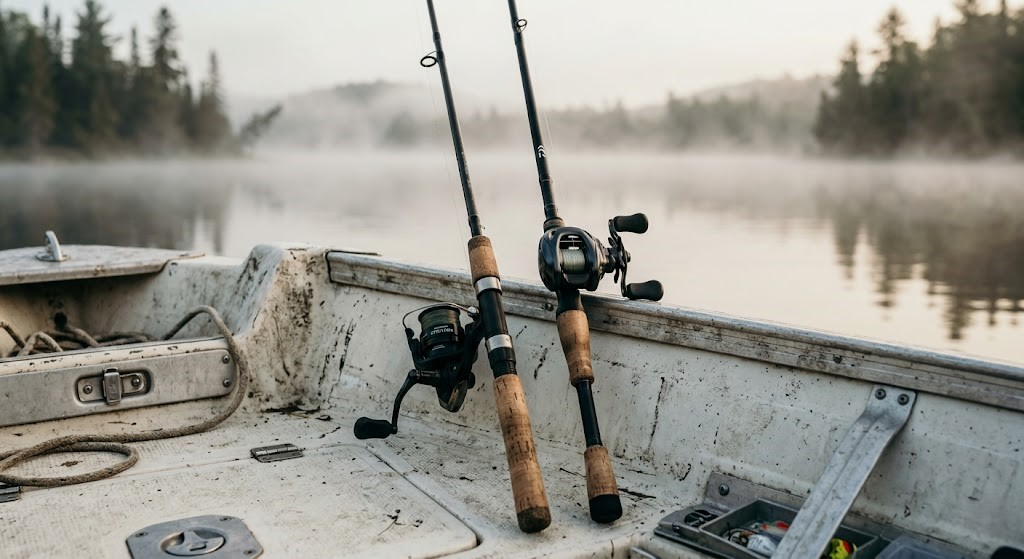
Table of Contents
Whether you are just starting your fishing journey or dialing in your daily bass fishing timeline to match the seasonal baits, one debate always surfaces: spinning rod vs casting rod—which one should you use?
Choosing the right fishing rod is about more than just aesthetics; it directly impacts your casting distance, lure presentation, and ability to pull big fish out of heavy cover. While beginners often gravitate toward the spinning rod for its forgiving nature, seasoned pros rely on the casting rod (baitcaster) for pinpoint accuracy.
In this ultimate fishing tackle guide, we will break down the mechanical differences and spinning vs casting rod performance factors of both setups, helping you decide which gear deserves a spot on your boat.
What is the Real Difference Between a Spinning and Casting Rod
The most obvious visual difference between these two types of fishing rods lies in the placement of the reel and the line guides. This structural variance completely changes how the rod handles the fishing line and fights the fish.
The Anatomy of a Spinning Rod
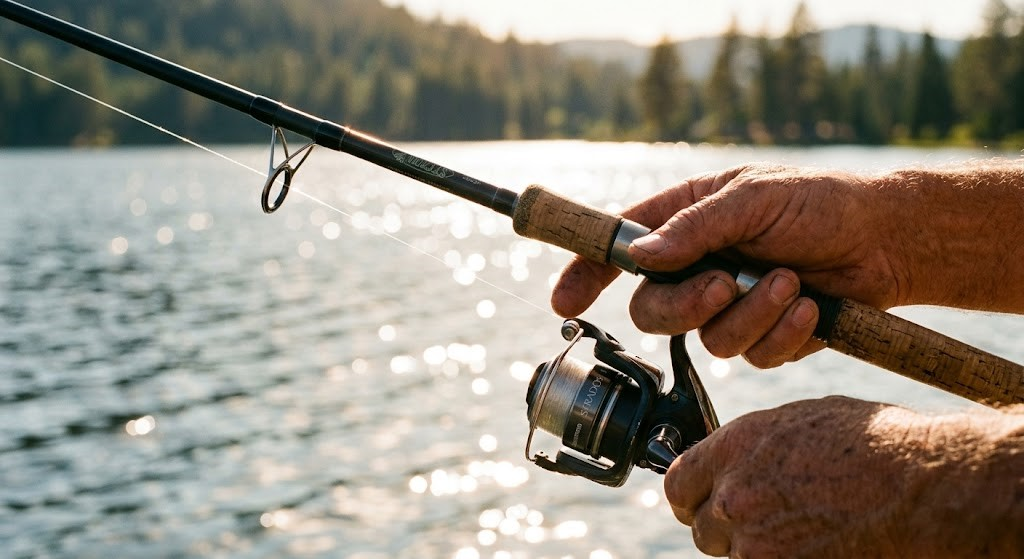
On a spinning rod, the spinning reel is mounted below the rod blank. It features a large “stripper guide” closest to the reel, with the guide size gradually decreasing toward the rod tip.
Pros: Incredibly easy to use, highly resistant to wind knots, and handles windy conditions with ease.
Cons: Lower casting accuracy, making it less suitable for wrestling trophy fish or successfully casting heavy lures.
The Anatomy of a Baitcaster Rod
A baitcaster reel is mounted on top of a casting rod, meaning the line guides also face upward on top of the blank. Baitcasting rods feature smaller, more numerous guides that sit lower and closer to the rod blank. Additionally, the handle is equipped with a distinct “trigger” grip design for better leverage and control.
Pros: Superior casting distance and pinpoint accuracy, excellent for flipping and pitching, highly versatile, and offers the backbone to fight big fish.
Cons: The revolving spool requires educated “thumb control.” Without proper baitcasting techniques, beginners are highly prone to the dreaded backlash (bird’s nest).
Spinning vs Casting Rod Performance: Which Wins on the Water
Ease of Use & The “Backlash” Factor
Using a spinning rod is incredibly straightforward: simply open the bail and use momentum to cast your lure exactly where you want it. It has a high margin of error, making it virtually backlash-free and the best beginner fishing rod setup.
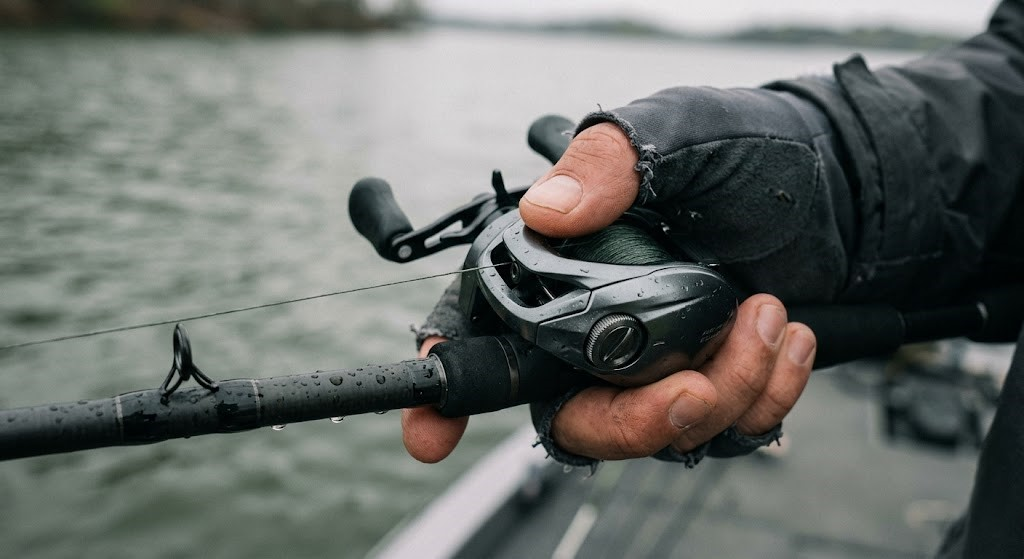
With a bait caster rod, the spool spins freely during the cast, meaning the angler must apply slight thumb pressure right before the lure hits the water. You also need to ensure the lure lands within a 12-inch target area. As noted by the American Sportfishing Association (ASA) and various tournament pros, an experienced angler using the correct baitcasting techniques can drop a lure precisely within a 6-inch radius.
Casting Distance and Accuracy
A spinning rod’s casting distance depends on the rod action and lure weight. Because the fishing line uncoils with zero friction, it holds a massive distance advantage when throwing ultra-lightweight finesse lures.
When casting medium to heavy lures, a casting rod offers smoother line release. More importantly, it delivers absolute casting accuracy. By thumbing the spool mid-flight, you can stop your lure instantly, landing it softly next to a dock piling or under overhanging branches.
Lure Weight & Power
Finesse fishing is a technique that relies on small, highly realistic lures to trick wary, pressured fish. Spinning rods handle light line perfectly, making them the ideal choice for this tactic. They excel at casting lightweight soft plastic lures, small crankbaits, and finesse rigs.
When handling heavy lures (like large swimbaits or spinnerbait lures) and fishing in heavy cover, using a baitcaster rod is a must. The smaller guides keep the fishing line closer to the blank, reducing rod twist and maximizing sensitivity. This allows you to apply maximum power for precision casts and winching bass out of dense vegetation.
Spinning vs Casting Rod: How to Choose the Right Rod for Your Skill Level
Recommendations for Beginners
If you are buying your very first fishing setup, don’t overcomplicate it. Start with a Medium-Power, Fast-Action spinning combo. To learn more about fishing rod power, please read: What is The Best Power Rod for Fishing?
This is the most versatile fishing gear on the market. It shortens the learning curve, eliminates the frustration of tangled lines, and lets you focus on what matters most: feeling the bite and enjoying the thrill of the catch.
When to Upgrade to a Casting Fishing Rod
When your fishing tactics start to evolve, you will know it’s time to add a bait caster rod to your arsenal.
If you find yourself needing to make faster, more frequent casts to cover more water, or if you are transitioning to heavier lures and challenging thick weed beds, upgrading to a baitcaster is your next logical step.
For anglers looking to level up their precision and raw fish-fighting power, it is an indispensable, ultimate tool.
Conclusion: Why Every Angler Needs Both in Their Arsenal
At the end of the day, the spinning vs casting rod debate isn’t about which one is inherently better—it’s about choosing the right tool for a specific tactic. Spinning rods are the undisputed kings of lightweight finesse fishing and ease of use, while casting rods rule the realm of heavy lures, pinpoint accuracy, and raw power.
Explore HELMTACKLE’s premium spinning and casting fishing rod collections today, and find the perfect setup you need to break your next personal record!
FAQ
Which is better: casting or spinning rod for beginners?
A spinning rod is much better for beginners. Its fixed-spool design makes it highly forgiving and almost completely eliminates the risk of “backlash” (tangled line), allowing new anglers to learn casting basics quickly and easily.
Can I put a spinning reel on a casting rod?
No, you should never mix them. Spinning rods are designed with large guides facing down, while casting rods have small guides facing up. Mixing them ruins your casting distance, reduces accuracy, and can even damage your fishing gear under a heavy load.

4 thoughts on “Spinning vs Casting Rod: The Guide to Choosing Your Right”