

Blog
Morning vs. Night Fishing: The Best Time to Catch Trophy Fish?

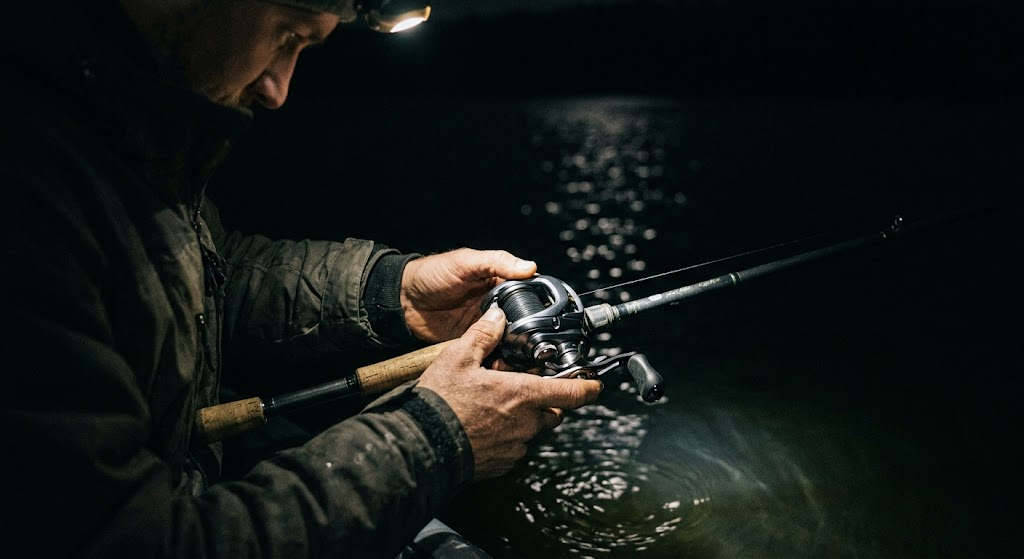
Table of Contents
Every hardcore angler understands this dilemma: should you set your alarm for 4:00 AM to catch the first light of dawn, or strap on a headlamp and get ready to grind in the pitch-black night?
The debate between morning vs. night fishing is almost as old as the sport itself. While both timeframes offer an excellent opportunity to break your personal best (PB) and catch giant bass or walleye, they require entirely different tactics, fishing gear, and mindsets. If you are eager to catch trophy fish, understanding water temperatures, light penetration, and the 24-hour biological clock of fish is crucial. Next, let’s dive deep into the ultimate showdown between dawn patrols and night missions.
Why Early Morning Fishing is a Game Changer for Anglers
Before the sun is high in the sky, water temperatures are at their lowest point of the day, and dissolved oxygen levels peak, making fish much more active. This provides the optimal feeding window for predatory fish, especially during the warmer months.
How Water Temperature Triggers the Morning Bite
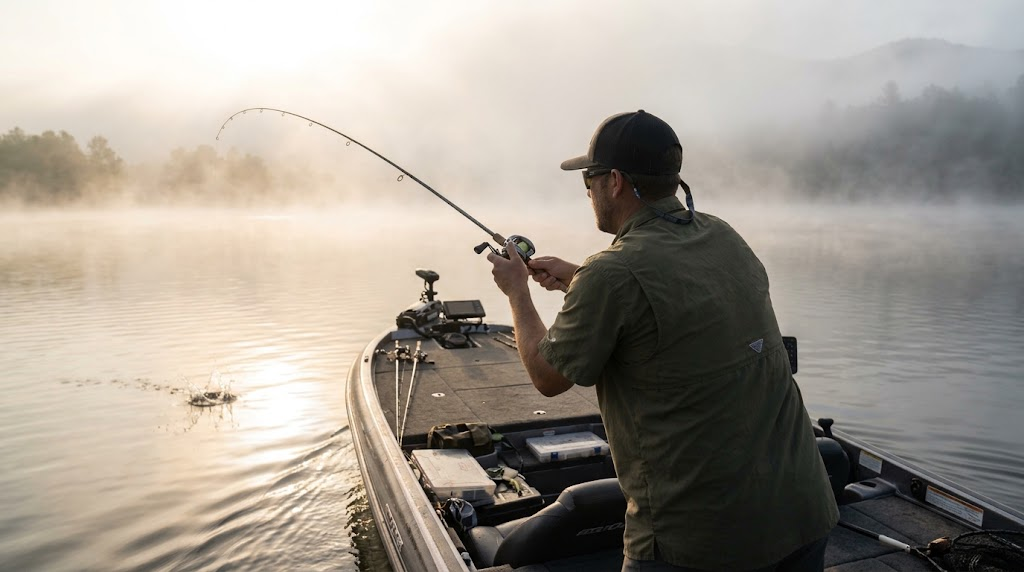
Early mornings bring cooler water temperatures, calm breezes, and low light conditions. After a full night of cooling, the temperature in shallow waters reaches the most comfortable zone for predators (like largemouth bass and trout). Baitfish move into the shallows to feed, which in turn triggers the game fish into a feeding frenzy. Watching for surface ripples and baitfish movement will help you locate schooling fish much faster.
Topwater Tactics: The Best Lures for Sunrise Strikes
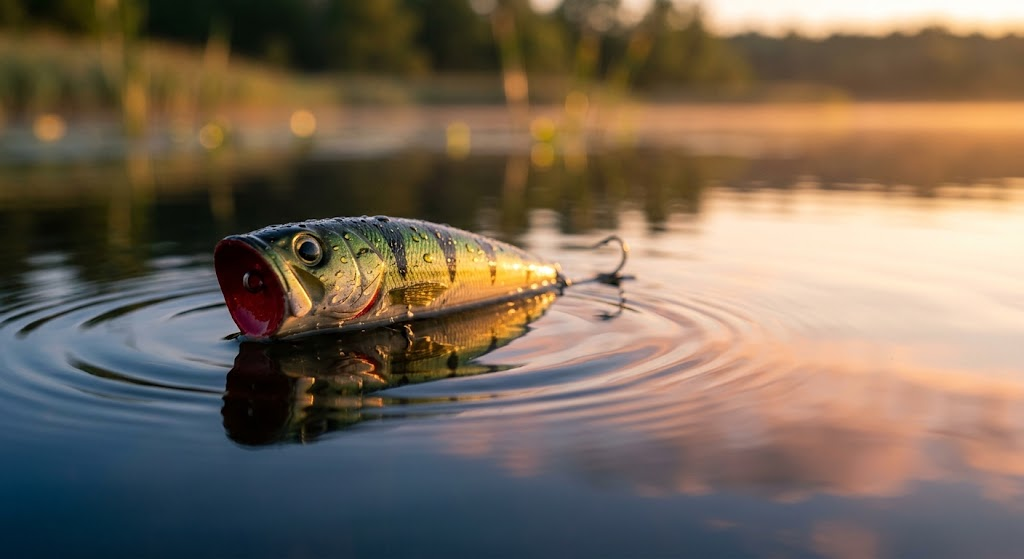
The dim light and glassy water of the early morning make it the golden hour for fishing poppers. Because bass will cruise to the surface to ambush small fish during this time, casting topwater fishing lures into areas where baitfish congregate will often yield great results.
Try casting parallel to weed lines, lily pads, or schooling bait. The visual thrill of an early morning topwater blowup is absolutely unmatched!
The Thrill of Night Fishing: Catching Nocturnal Predators
As night falls, water temperatures gradually drop, and fish begin to feed again, making it a prime time for a great catch. At dusk, the variety of active fish species is often more diverse, bringing unique challenges for experienced anglers.
Why Bass and Walleye Hunt Aggressively After Dark
At night, they no longer rely on vision, but rather on their lateral line to find food.
Under the cover of darkness, large bass and walleye will boldly leave deep water structures and cruise into extremely shallow waters (at least in spring, summer, and early fall), chasing bait along the banks.
As pointed out by veteran anglers and community discussions on platforms like Reddit (How does fishing at night/in the dark work?), the reason they dare to move into the shallows is that avian predators cannot see them. Herons and ospreys are blind in the dark, which significantly lowers the fish’s guard.
Sound and Vibration: Adjusting Your Lure Selection
Because visibility at night is near zero, your lures must “loudly announce” their presence. Nocturnal fish primarily sense vibration through their lateral line, so vibration and water displacement are everything.
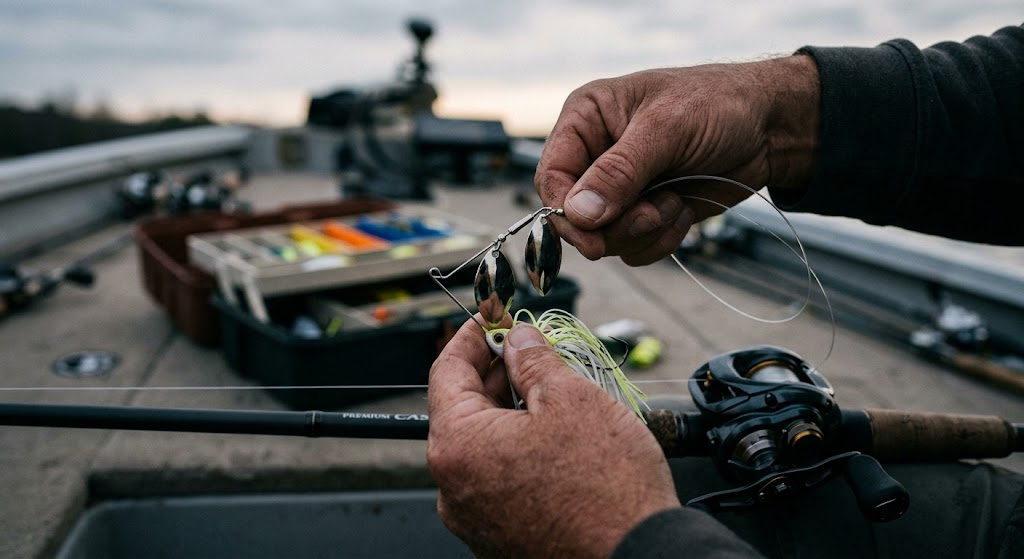
Compact spinnerbaits equipped with a wide Colorado blade are incredibly attractive to fish at night because they offer massive vibration, flash, and an exaggerated swimming action that fish can track from a distance. You can use these types of reaction lures near laydowns (fallen trees), weed edges, and illuminated boat docks.
Upgrading Your Tackle: Why Baitcasting Rods Rule the Night
Night fishing is definitely not the time for ultralight lure fishing setups!
Because after-dark angling mostly involves using heavy, high-vibration lures, and you need to quickly drag a hooked fish out of cover, casting rods paired with baitcast reels—which offer superior fish-control capabilities—are the top choice for night missions.
A high-quality baitcaster rod, with its exceptional backbone, heavy winching power, and torque, allows you to forcefully muscle fish out of heavy structure, even when you can’t see exactly where the snags are.
Morning vs. Night Fishing: Head-to-Head Tactical Comparison
To truly master both of these time frames, you need to understand how external elements dictate your tactics.
Weather Conditions and Moon Phases
A rapid drop in barometric pressure signals great fishing weather, as it means a strong weather front is approaching. Fish will feed frantically to stock up on energy before the front hits. You don’t need much finesse here; just tie on a brightly colored, fast-moving topwater bait and retrieve quickly to cover a larger area and trigger reaction strikes.
The moon phase is another critical factor determining the success of your night fishing trips, and generally, a full moon is the best time to fish. According to the authoritative platform Fishingbooker‘s explanation of solunar fishing theories, larger tides stir up baitfish, making predatory fish more active. The strongest tides occur during the new moon and full moon. During a full moon, the night is brighter than usual, and predators use this ambient light to feed aggressively, resulting in exceptional catches.
Visibility and Precision Casting Differences
The biggest tactical difference lies in your casting approach:
Morning (Precision Casting): Using the dim dawn light to spot structure, you can precisely pitch, flip, or skip your lures under overhanging branches and right to the base of stumps.
Night (Fan Casting): You are essentially casting blind. Night fishing relies on your memory of the topography and systematic “fan casting”—covering broad stretches of water to find cruising fish rather than grinding away at one specific target.
Equipping for AM and PM Action
Which will you choose? The heart-pounding topwater blowups on a tranquil morning surface, or the adrenaline-pumping blind strikes of a midnight monster? Both offer the opportunity of a lifetime. Ensure your tackle box is fully stocked, your casting and spinning rods are rigged, and you are ready for whatever the water throws at you.
Ready to upgrade your fishing gear for your next night mission or dawn patrol? Browse HELMTACKLE for premium baitcasting rods, spinning setups, and high-performance lures designed to trigger strikes in any lighting condition!
FAQ
Is morning or night fishing better for bass?
It depends on the season and water temperature. In the peak heat of summer, night fishing often produces larger bass because the water cools and big fish move into the shallows to feed. However, early morning offers the best topwater action before the sun penetrates the water and drives the fish deep.
What color lures are best for night fishing?
Black or very dark-colored lures are the best choice for night fishing. While it seems counterintuitive, dark colors create a solid, distinct silhouette against the moonlit surface of the water, making it much easier for fish to track the lure alongside the heavy vibrations of your casting rod setup.
One thought on “Morning vs. Night Fishing: The Best Time to Catch Trophy Fish?”