

Blog
How to Avoid Snags When Bottom Fishing?

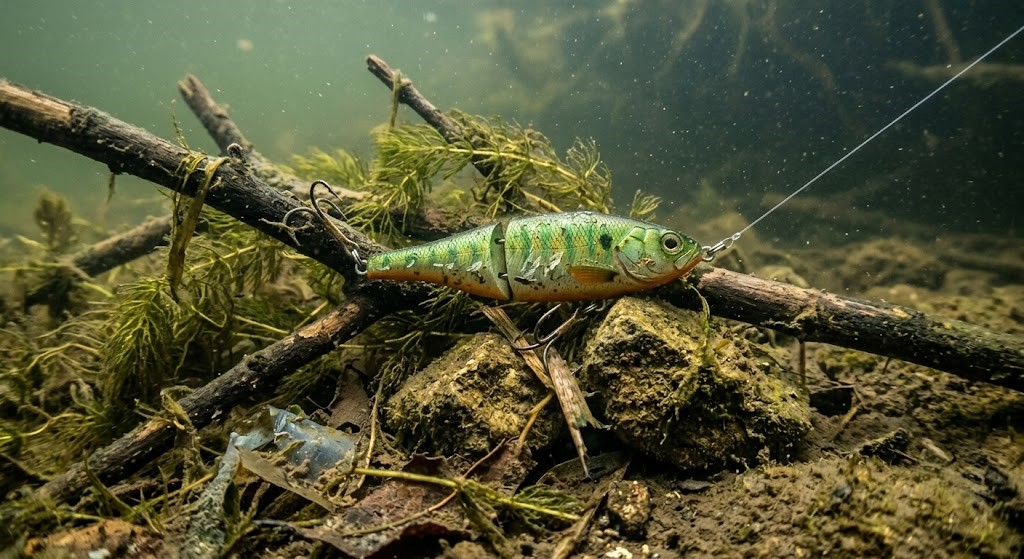
Table of Contents
The quickest way to avoid snags is using a Texas Rig, pegging your sinker, and choosing weedless jig heads.
For beginner anglers, snags are one of the most common and efficiency-killing problems in bottom fishing, and they can be extremely frustrating. Losing lures, wasting time, and spooking fish all directly reduce your catch rate. However, for experienced anglers, most snags can actually be avoided in advance. This article will break down in detail the causes of lure snags, how to prevent them, and what to do when you get snagged—so you no longer have to worry about it.
Why Do You Keep Getting Snagged When Bottom Fishing
Exposed Hooks in Heavy Cover
Obstacles such as weeds, dead branches, rock piles, or abandoned fishing nets are the main culprits behind snags. Especially when fishing in the wild, underwater environments are complex. If you cast exposed jigs or treble hooks directly into dense cover like bushes or weed beds, the risk of snagging is very high.
Wrong Lure for the Conditions
A mismatch between lure and environment is a common mistake. If you use a deep-diving crankbait near submerged branches or throw large treble-hook lures into dense lily pads, you will keep getting snagged.
Poor Line Control (Too Much Slack)
Poor line control, especially excessive slack, can cause the lure to lose control—wobbling unpredictably or sinking uncontrollably. A leader that is too long may also wrap around obstacles. Maintaining slight tension is the basic rule.
Incorrect Rig Weight
A lure that is too heavy can sink into mud or get stuck in rock crevices, while one that is too light may be carried by current or wind into obstacle zones. You need to balance between “bottom contact” and “control.”
Bad Casting & Retrieval Angles
Poor casting angles, retrieving too fast, or incorrect rod angles during retrieval can all cause the hook to “go the wrong way.”
Poor Fish Control After Hook-Up
During the fight, if the fish is large or not controlled properly, it may pull the hook into nearby cover. Another hook can then catch onto obstacles, resulting in a snag.
How to Avoid Snags When Bottom Fishing (Proven Techniques)
Choose Snag-Resistant Hard Baits
Although these crankbaits and jerbaits are highly effective, they are also prone to snagging. When choosing them, prioritize floating or suspending types so they can stay above cover. Avoid casting directly into the densest structure. Around trees and grass, I often use squarebill crankbaits and deep diving jerkbaits, as they deflect off obstacles more easily.
Adjust Retrieval Technique
Use shorter leaders to reduce tangling, as longer, drifting jig and soft plastic are more likely to snag. When casting, try “hopping the bottom” instead of dragging across rocks or wood.
Use the Right Lures for Structure
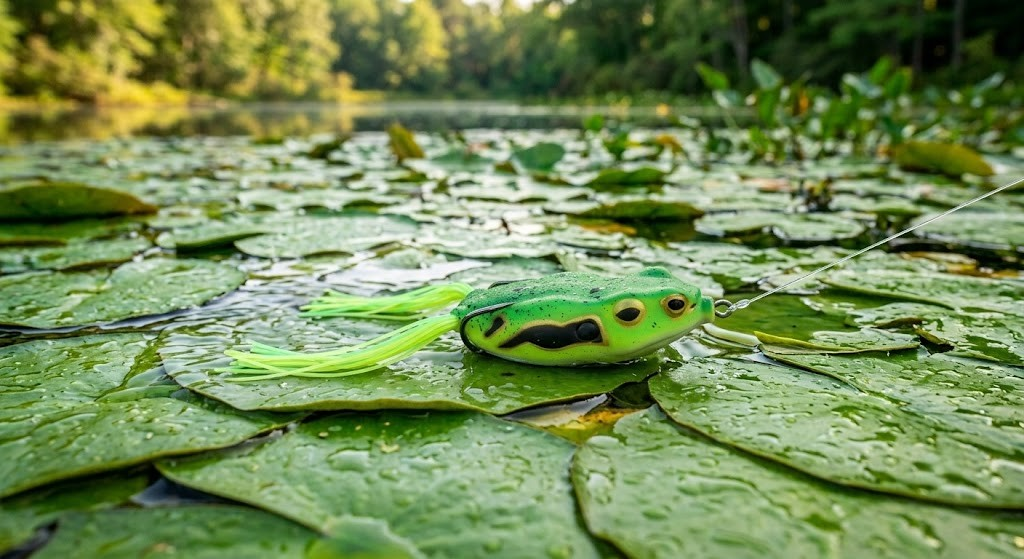
In dense cover, I often use frogs because their hooks lie close to the body, making them less likely to snag. I also avoid heavy treble hooks in such areas. Multi-treble topwater lures like walking baits or popper lures are better used along the edges of vegetation rather than in the center.
Note that you should fish the edges, not the middle, otherwise treble hooks can easily catch on stems.
What to Do When Snagged
When you get snagged, should you pull hard or cut the line? Don’t rush—follow these steps, and there’s a good chance you can recover it.
Step 1: Change Angle
Once you realize you’re snagged, don’t pull hard. Lower the rod and gently pull from a different direction. If you cast straight ahead, try pulling from the left or right.
Often, the hook is only lightly stuck, and changing the angle can free it.
Step 2: Snap the Line
If changing angles doesn’t work, point the rod tip toward the water, tighten the line, and flick it like a guitar string (or quickly release and retighten). This sudden vibration can sometimes shake the hook loose.
If that fails, try loosening the line and waiting 20–30 seconds. Sometimes a fish bumping into it can accidentally free the hook.
Step 3: Change Position
If you’re using a casting rod, attach a leash and let the rod float so the line pulls from a different direction. With a pole, try moving along the bank with the current or wind to change the pulling angle.
Step 4: Break the Line Correctly
If it’s completely stuck, break the line properly—prioritize saving the main line.
Lay the rod flat so it forms a straight line with the line, then pull steadily backward. Usually, the leader will break first (since it’s thinner), saving your main line and float.
Never yank hard—it can snap the main line or even break the rod tip.
If it’s so stuck that even the leader won’t break, the last option is to cut the line near the rod tip and sacrifice the rig.
Pro Tips to Prevent Snags
Probe the Bottom And Choose Spots Carefully
At a new fishing spot, drag a heavy sinker a few times to feel for underwater branches or rock piles.
Or ask local anglers about the underwater structure and avoid dense obstacle areas.
Optimize Your Rig Setup
In complex waters, using a single hook cuts snag risk by half compared to double hooks.
Use anti-snag rigs (such as drop shot or Carolina rigs) to keep the hook suspended above obstacles.
Switch to flat or bullet-shaped sinkers to reduce the chance of getting stuck in crevices.
Adjust Your Technique
Cast accurately into cleaner areas. Leave some slack during the cast to avoid the rig dropping straight down vertically.
Control retrieval speed and maintain slight tension, allowing the lure to lightly touch the bottom rather than dragging continuously.
Control After Hook-Up
Once hooked, quickly lift the rod and control the fish’s direction to prevent it from diving into cover.
Final Thoughts
Snags are not a matter of luck—they are determined by lure selection, rig setup, technique, and environmental judgment. When you systematically optimize these factors, you will clearly notice fewer snags, improved efficiency, and a higher catch rate.
The core of bottom fishing is not “casting more,” but “casting smarter.”
FAQ
Why is bottom fishing so prone to snags?
Because the bottom is usually full of obstacles like rocks, branches, and weeds. If you use exposed hooks, the wrong lure, or poor line control, snags are very likely.
Which lures are least likely to snag?
The best anti-snag options are: frog lures, weedless soft plastics, single-hook rigs (such as Texas rigs). These designs effectively reduce direct contact between the hook and obstacles.
2 thoughts on “How to Avoid Snags When Bottom Fishing?”