

Blog
The Best Pike Lures: Conquering Northern Water Monsters

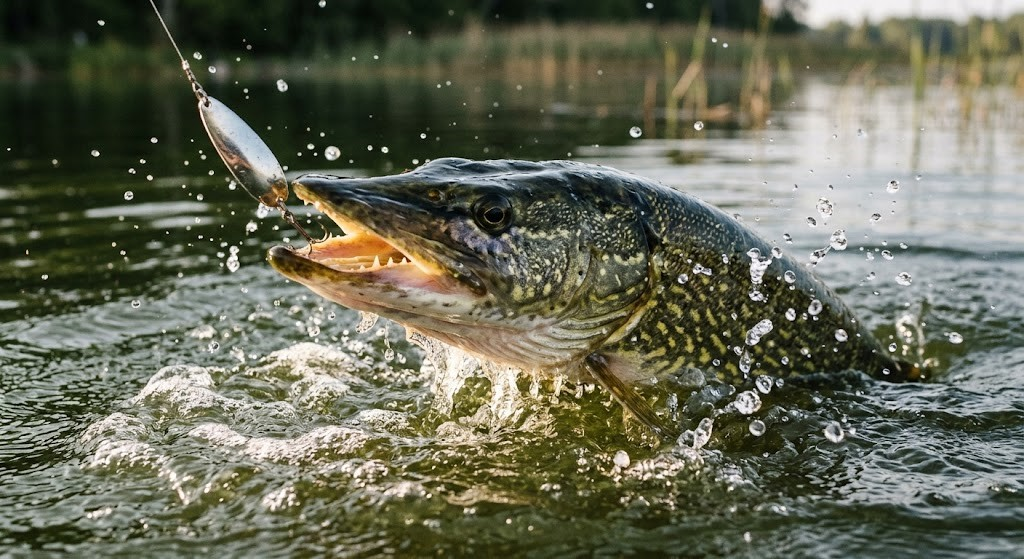
Table of Contents
If there is one freshwater predator that gets an angler’s blood pumping, it has to be the Northern Pike. Known for their highly aggressive strikes, razor-sharp teeth, and explosive fights, they are the undisputed “water monsters” of North America.
As a member of the American Sportfishing Association, I have spent a significant amount of time studying pike behavior and testing various fishing gear across different waters. Whether you are fishing in shallow spring bays or deep summer weedbeds, choosing the right fishing tactics and lures is often the difference between going home empty-handed and landing a trophy fish.
In this ultimate guide, we will break down the science of pike predatory behavior and unveil the best pike lures you need to put in your tackle box right now.
Understanding the Apex Predator: Pike Behavior & Habitat
Before casting your line, you must understand your target. Northern pike are generally distributed across most of the United States and Canada, as well as parts of Scandinavia, Russia, and Europe.
Pike Behavior
Vision: As an apex underwater predator, a pike’s most important sense is vision, so when visibility is low, they usually do not appear in large numbers. Therefore, when you are pike fishing with lures, your first thought should be visual—you need to make sure they can see it. White, yellow, and chartreuse are incredibly effective lure colors for pike—likely because they closely resemble the bellies of struggling baitfish.
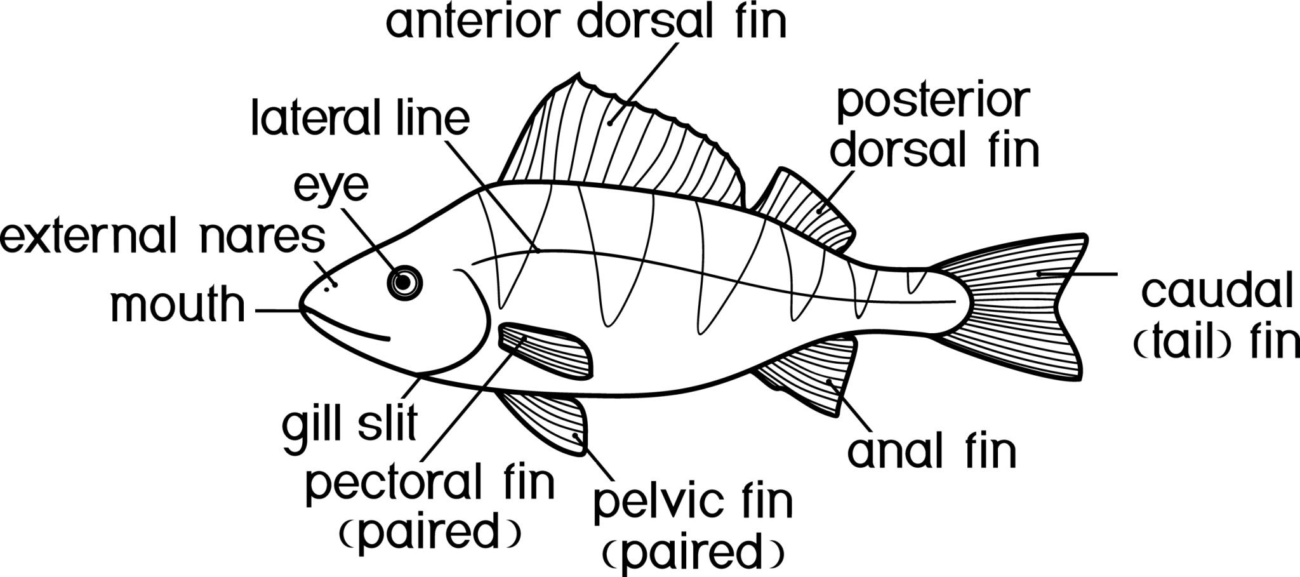
Lateral Line System: Pike can detect the minute pressure waves and vibrations emitted by struggling prey through their lateral line system. This allows them to hunt with precision even in murky, stained, or dark water conditions. There is a classic article from the authoritative media In-Fisherman, “Allure for Pike,” that dives deep into the lateral line system of the North American pike.
Pike Habitat
Pike are ambush predators. They typically hide in weedbeds, rocky points, steep drop-offs, submerged reefs, and fallen timber to quickly intercept passing baitfish.
Why These Set the Gold Standard for Northern Pike Baits
Size and Profile: The “Big Bait, Big Fish” Rule
Why do we believe big fish eat big baits? Because as fish grow larger and wiser, they begin to hunt bigger prey. A massive trophy pike needs a substantial amount of food to survive and reproduce.
I always recommend casting the largest lure you can handle. Lures in the 4 to 8-inch range are the golden size that caters to the visual preferences of these apex predators. It is exactly by adhering to this “big bait” philosophy that I successfully caught my first 40-inch class trophy pike.
Flash and Vibration: Triggering Predatory Instincts in Murky Waters
Since pike use their lateral lines to sense the pressure waves of struggling prey, “vibration” is key—especially in low-visibility environments.
Therefore, I often choose inline spinners that produce low-frequency vibrations to mimic moving baitfish, which is highly attractive to cruising pike.
However, in muddy waters, I recommend using crankbait fishing lures with internal rattles; they displace a large amount of water and grab the pike’s attention.
Color Selection Strategy: From Natural Lakes to Highly Pressured Waters
Choosing the right color depends entirely on water clarity.
In clear natural lakes, stick to natural patterns: silver, blue, or realistic yellow perch/walleye patterns.
If you are fishing in highly pressured or murky waters, you need high-contrast colors to trigger a reaction strike. Firetiger and chartreuse are absolute must-haves in any pike angler’s tackle box.
Want to know more about lure color selection? You can check out this guide: What Color Fishing Lure is Best?
Unveiling the Best Pike Lures: 4 Deadly Lure Types You Need
Classic Spoons: The Time-Tested North American Favorite
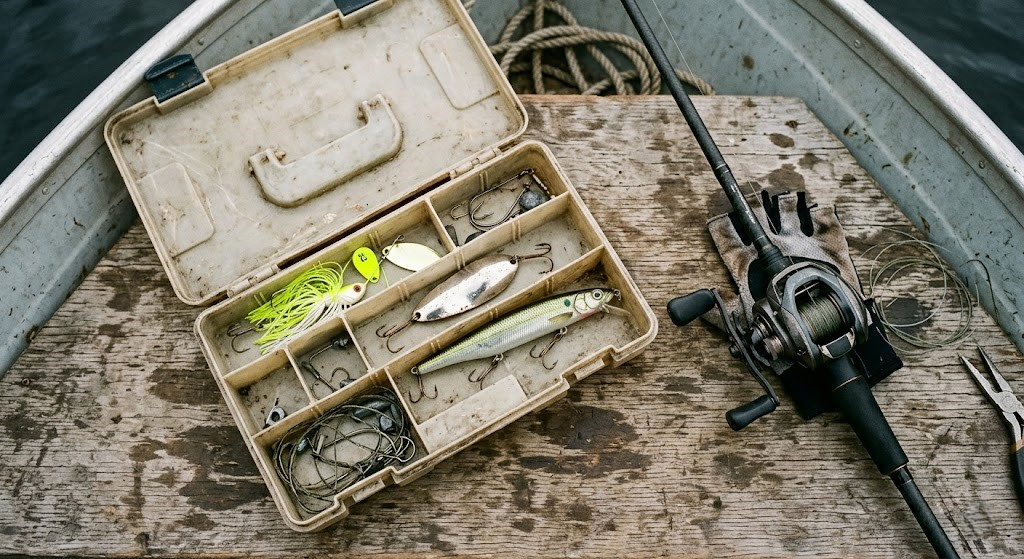
When you are hesitating, classic silver or gold spoons are the most correct choice.
As they fall through the water column, their erratic fluttering action combined with a highly reflective flash perfectly mimics a dying baitfish.
Spinnerbait Fishing Lures: The Ultimate Weedbed Assassins
Because the single hook of a spinnerbait is positioned behind the wire frame, they boast incredible weedless capabilities, making them perfect for the weedy rivers and lakes where pike love to ambush.
I often fish them with a steady retrieve, occasionally turning the reel handle quickly to make the blades flare out, producing intense vibration and flash.
Jerkbaits: The Deadly Pause
When water temperatures are low, suspending jerkbaits are unbeatable. Twitch it aggressively, then let it sit perfectly still and suspend. Often, it is during that helpless pause that a big pike will launch a devastating attack.
Topwater Lures: Heart-Pounding Surface Strikes
There is nothing more exciting than seeing a pike explode on a lure at the surface.
In the early morning or late evening, using noisy buzzbait, walking bait, or topwater frog over thick weed mats works wonders.
The loud splashing agitates the pike, triggering aggressive, territorial surface strikes.
Soft Plastics & Swimbaits: Realistic Wounded Prey Mimics
Interestingly, I also discovered a very niche piece of knowledge under the Reddit thread “What lure to use for pike?“: turtles eat pike eggs, and therefore, pike absolutely despise turtles. So, turtle-profile lures and soft plastics can also trigger their aggressive strike responses.
Soft plastic lures are incredibly realistic, and some come with added scents to stimulate a pike’s sense of smell, such as soft plastic worms. In warmer waters, I prefer paddle tail lures because they provide a powerful tail kick, displace a lot of water, and are extremely easy to use—simply cast, let it sink to the appropriate depth, and maintain a slow retrieve with occasional pauses.
Seasonal Pike Fishing Tactics for Northern U.S. Waters
Spring Shallows: Slow Presentations for Early Season Pike
In the spring, pike migrate from their wintering grounds to spawn in shallow, fast-warming areas with dark bottoms, such as bays, coves, channels, tributaries, and flats. Look for areas with lush vegetation and an abundance of baitfish and panfish.
At this time, slowly rolling a paddle tail swimbait or a large suspending jerkbait through the shallows is an excellent choice.
Summer Weedbeds: Pushing into Heavy Cover and Deep Water
As summer arrives, pike leave the shallow bays of spring and push toward slightly deeper, cooler waters holding dense weedbeds.
At this time, it is best to cast heavy spoons or large spinnerbaits. Of course, you can also troll them on the surface or along the weed edges, but you need to move at a faster speed to trigger their reaction bites.
Fall Feeding Frenzy: Capitalizing on the Best Trophy Bite of the Year
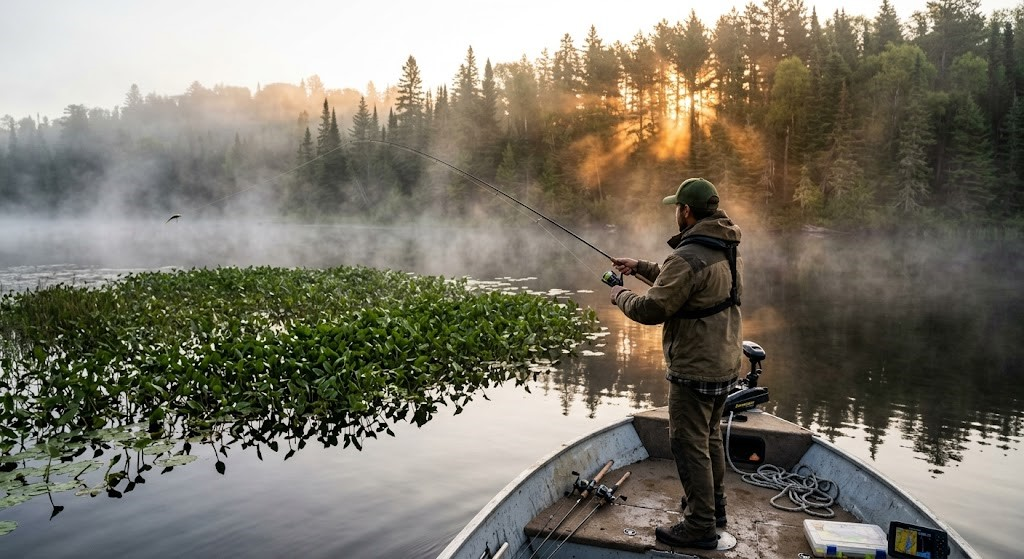
In the fall, you will welcome the absolute best pike fishing frenzy of the year! To pack on fat for the winter, pike enter an absolute feeding frenzy.
They typically roam around remaining green weeds and rocky transition zones where prey congregates.
Combining rocky bottom transitions with aquatic vegetation will help you find high-probability fishing spots. This is the time you must use oversized lures, like large swimbaits and big spinnerbaits, to greet the monster of a lifetime.
Ready to Hunt the “Water Wolf”?
Chasing Northern Pike is an addictive pursuit that requires understanding their environment, respecting their predatory nature, and adjusting your lure selection according to the season. By utilizing the flash of spoons, the weedless nature of spinnerbaits, the realism of swimbaits, and the absolute power brought by a formidable HELMTACKLE casting rod or spinning rod, you have laid the foundation for success.
Organize your tackle, spool up with heavy braided line, tie on a wire leader, and hit the water. The underwater monsters are waiting for you!
FAQ
How to fish a pike for beginners?
Cast flashy lures (like spoons or spinners) near weedbeds with a steady retrieve. Always use a wire leader to prevent bite-offs!
Do pike prefer deep or shallow water?
It depends on the season: they hunt in shallow water during spring and fall, but retreat to deeper water in peak summer and winter.