
Blog
How to Catch Crappie in the Summer: The Ultimate Guide

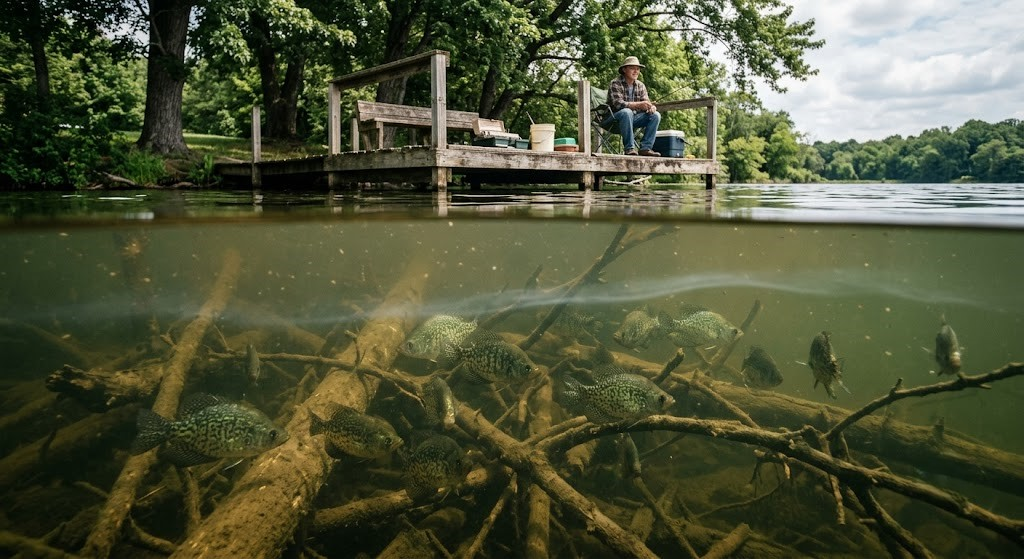
Table of Contents
The high temperatures of summer often cause crappie to scatter and become difficult to locate, but this by no means marks the end of the fishing season. To escape the heat, they retreat into deep water, hide in the shadows, or suspend in the oxygen-rich thermocline.
This article will thoroughly decode the secret to catching crappie in summer—guiding you to accurately pinpoint their hiding spots, lock into the “hot bite” golden windows of early morning and night, and comprehensively explain how to use jig fishing lure, soft plastic bait, and crankbait lure to consistently haul in limits during the midsummer heat. Master these hardcore tips to ensure you never get skunked on your summer fishing trips!
Where to Find Summer Crappie: Top 3 Locations
Summer heat drives crappie away from shallow spawning grounds in search of more suitable “summer retreats.” The key to successfully locating schools of fish lies in finding waters that offer cool temperatures, abundant oxygen, and a sense of security. The following three key locations (shadows, the thermocline, and deep water structures) are the best fishing spots you must focus on exploring this summer.
Target Shadows and Heavy Cover
Summer crappie are light-shy and dislike strong sunlight, so you can find them in the shadows. Shaded areas are not only cooler but also provide cover.
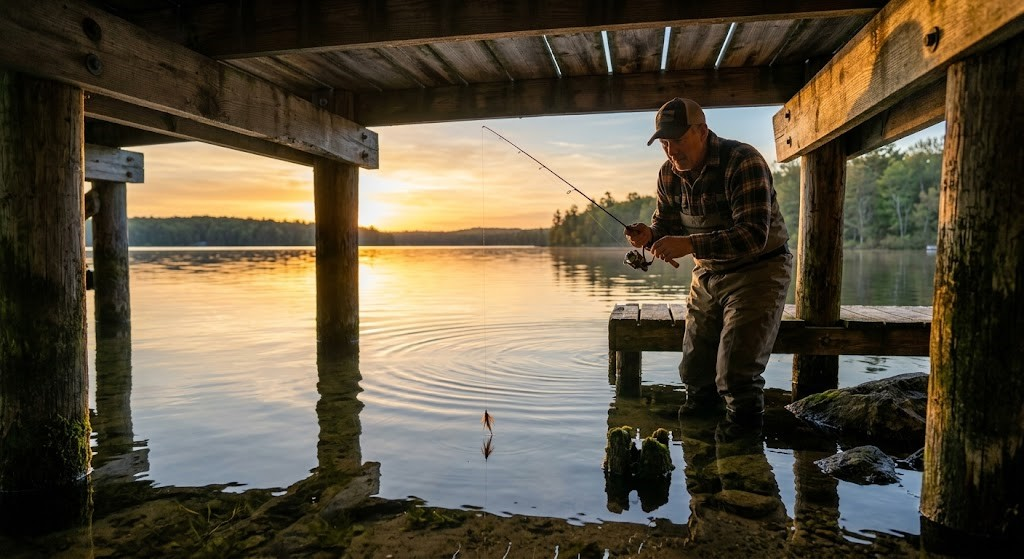
Examples include submerged timber, underneath docks in 12 feet of water, and the shaded side of bridge pilings.
Locate the Thermocline with Electronics
According to biological analysis by the authoritative North American fishing media In-Fisherman, deep lakes experience distinct water stratification in the summer. Crappie often suspend in the thermocline, which is the transition layer where the warm upper water meets the colder, denser water below. The thermocline typically forms at depths of 10 to 30 feet (about 3 to 9 meters). I usually use a fish finder to locate the thermocline, identifying it by observing the band of clutter on the screen.
Above the thermocline: Abundant oxygen and densely packed baitfish make this the golden zone for fishing.
Below the thermocline: Oxygen is scarce, with almost no fish activity.
Explore Deep Water Structures
Summer crappie typically inhabit drop-offs in deeper waters. The warm upper water column has lower dissolved oxygen levels, whereas deep water offers cooler temperatures and more stable oxygen. You can generally use compact spinnerbaits to find crappie in deep water with cover, such as brush piles (10-25 feet), submerged bushes, stumps, and rock ledges.
It is worth noting that I once saw someone on Reddit mention that while underwater structures are certainly advantageous, crappie will also often choose to suspend near the surface during the summer.
When is the Best Time for Summer Crappie Fishing
Avoiding the midday heat and choosing to fish in the early morning, evening, or even late at night—when water temperatures are lower and light is weaker—will greatly increase your bite frequency and hook-up rate.
Dawn to 9 AM: The Morning Bite
Early morning is the time when summer water temperatures are at their lowest and the light is softest, creating favorable feeding conditions for crappie. You can focus your attention on shallower feeding flats and near weed edges.
7 PM to Dark: The Evening Transition
Dusk is the time of day when water temperatures begin to drop and light dims, ushering in the second hot bite window of the day. The chances of getting a bite at this time are just as high as in the early morning. As crappie transition from deep water to shallow water, you can use small deep diving crankbaits to intercept them at the intersections of brush piles or creek channels.
Night Fishing for Slab Crappie
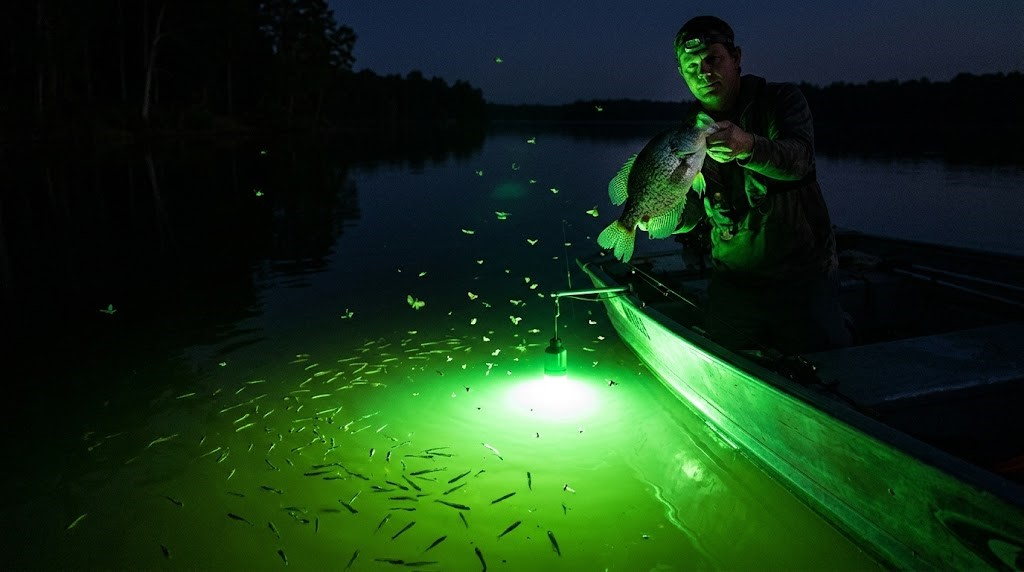
Night fishing is often the secret to landing giant slab crappie. In the low light of the night, crappie feel very secure and roam over a wider area. You can set up crappie lights along channel edges or in deep weed beds to attract plankton and baitfish, which in turn will draw the crappie in to hunt.
Best Crappie Lures for Summer Fishing
During the summer, crappie tend to stay deep and have finicky appetites; they become highly sensitive to lure color, size, and vibration frequency. To tackle complex summer water conditions (such as clear water, muddy water, or low-light environments), you need an arsenal ranging from finesse baits like jigs and soft plastics to fast-moving search baits like crankbait fishing lures and spinnerbait lures.
Jigs for Natural Presentation
Clear Water: Minnows rely heavily on sight, and natural colors mimic small baitfish, such as white and silver.
Stained Water: Bright colors help fish quickly zero in on the target when visibility is poor, such as chartreuse and pink.
Low-Light Conditions: Using fluorescent or high-visibility colors keeps your bait visible in dim lighting.
Crappie are very sensitive to color and often change their preferences multiple times a day. Bright pink, purple, and a combination of red and chartreuse are always in my tackle box.
Soft Plastic Lures: Tube Baits & Curly Tail Grub Fishing Lures
1.25–2 inch soft plastic tube baits are perfect for vertical jigging over brush piles.
The continuously swimming tail of a curly tail grub lure will attract active fish in open water.
I often use light fish head jigs, cast them out, and slowly drag them along the edges near underwater structures with noticeable success.
Crankbait Fishing Lures for Deep Searching
Small crankbaits (1.5 to 3 inches) with a tight wobble can quickly cover large areas of water, making them ideal for locating scattered crappie.
Plastic material not only effectively deflects off underwater structures (like stumps and rocks) to prevent snags but also maintains a more stable and realistic swimming action.
Shallow diving crankbaits are excellent for spring and fall, while medium and the deep dive crank bait perform best in the deep waters of summer and winter.
Spinnerbaits for Low-Light Conditions
Spinnerbait lures combine flash and vibration, making them suitable for low-light or muddy water conditions. I often use small spinnerbaits with a slow retrieve near brush piles.
Top Summer Crappie Fishing Techniques
When dealing with summer crappie that are scattered across variable water columns, the winning key to boosting your hook-up rate lies in flexibly applying “vertical jigging” for pinpoint strikes in heavy cover, or utilizing “trolling/spider rigging” for highly efficient, large-scale searching.
Vertical Jigging in Heavy Cover
For complex structures like deep-water stumps, submerged timber, or bridge pilings, vertical jigging is an extremely effective precision technique.
Paired with the previously mentioned 1.25–2 inch tubes or light jigs, working the bait with subtle up-and-down twitches right above the cover will perfectly entice lazy crappie hiding in the shadows to strike.
Trolling and Spider Rigging
This is the most efficient method for locating scattered schools of fish across expansive bodies of water in the summer. When trolling, diving crankbait maintains a highly stable swimming action, helping you perfectly cover different water depths to quickly determine the exact depth where the crappie are holding.
How Summer Weather Affects the Crappie Bite
Learning to anticipate barometric pressure changes before thunderstorms to catch the “hot bite,” and knowing how to adapt your hardcore gear to tackle heavy cover during extreme heatwaves, will yield twice the result with half the effort on your summer fishing trips.
Fishing Before Summer Storms
The approach of summer storms is often accompanied by a significant drop in barometric pressure. This pressure change triggers the crappies’ instincts, prompting them to leave their deep-water sanctuaries and embark on a crazy feeding frenzy.
Beating the Summer Heatwaves
During continuous extreme heatwaves, fish will dive deeper into the bottom or hunker down in heavy cover like dense bushes and rock ledges, reluctant to move.
This is where the absolute advantage of high-strength plastic lures shines—their exceptional impact resistance and snag-deflecting properties allow you to boldly and repeatedly bump and search through complex structures, coaxing out the giant crappie hiding in the deepest depths. If you want to know how to avoid getting snagged, you can read: How to Avoid Snags When Bottom Fishing?
Conclusion: Gear Up for Summer Crappie!
The core of summer crappie fishing lies in “beating the heat”—by locking onto shadows, the thermocline, and deep water structures, and capitalizing on the golden windows of dawn and night, you can still enjoy the thrill of back-to-back hookups in the scorching heat!
Of course, when facing complex cover in deep water, a durable, snag-resistant lure with a stable swimming action is the key to victory. HELMTACKLE brand lures are all made of high-strength ABS plastic material, fearlessly withstanding violent collisions with submerged timber and rocks to ensure a realistic swimming action, helping you accurately target the hiding spots of giant crappie.
We want to hear from you!
What is your favorite “killer bait” color for summer? Feel free to leave a comment below to share and discuss!
FAQ
How deep do you typically need to fish for summer crappie?
During the day, primarily in the thermocline at 10-30 feet; in the early morning and at night, they will move into shallow waters of 5-10 feet to feed.
Can you catch them from the bank in the summer?
Yes. The best times are early morning or at night, focusing on areas shaded by large trees, underneath docks, or near deep water drop-offs.
What lure colors are most effective in the summer?
In clear water, natural colors like white and silver are preferred; when the water is muddy or the light is dim, switch to chartreuse or bright pink.

One thought on “How to Catch Crappie in the Summer: The Ultimate Guide”